
Tu-16 Badger – PDF
$1.95
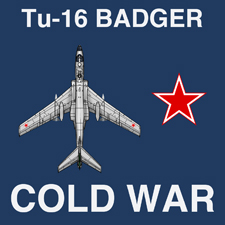
The Tupolev Tu-16 “Badger” was a Soviet twin-engine jet bomber developed during the early Cold War to provide long-range conventional and nuclear strike capabilities. Entering service in 1954, the Tu-16 became a mainstay of Soviet Long-Range Aviation and Naval Aviation, serving in strategic bombing, maritime strike, reconnaissance, and missile-carrying roles. Exported to several Soviet-aligned nations, the Badger participated in conflicts including the 1967 Six-Day War, the 1973 Yom Kippur War, and the Iran-Iraq War. Its long operational career made it one of the most significant Soviet bomber designs of the Cold War.
| Title | Range | Discount |
|---|---|---|
| Cold War Aircraft - 10% Off | 5 - 9 | 10% |
| Cold War Aircraft - 15% Off | 10 - 19 | 15% |
| Cold War Aircraft - 20% Off | 20 + | 20% |
The Tupolev Tu-16 “Badger” was developed during the early 1950s as the Soviet Union sought a modern jet-powered bomber capable of replacing the piston-engine Tu-4 Bull. Designed by the Tupolev bureau, the Tu-16 featured swept wings, two powerful Mikulin AM-3 turbojet engines mounted near the wing roots, and a streamlined fuselage optimized for high-speed, long-range flight. The aircraft first flew in April 1952 and entered operational service in 1954. Its introduction represented a major advance in Soviet strategic aviation, providing greater speed and improved survivability compared with earlier propeller-driven bombers.
The Tu-16 became an important component of Soviet Long-Range Aviation and Soviet Naval Aviation, operating in a wide variety of specialized roles. Early versions were designed primarily for conventional and nuclear bombing missions, while subsequent variants were adapted to carry anti-ship missiles, conduct maritime reconnaissance, perform electronic warfare, and support aerial refueling operations. Missile-carrying versions, particularly the Tu-16K family, became important elements of Soviet naval strike forces, providing the ability to threaten NATO surface warships and aircraft carrier groups at considerable distances. The aircraft’s rugged construction, substantial weapons capacity, and adaptability contributed to its exceptionally long service life.
Exported Tu-16 bombers participated in several major Cold War conflicts. Egyptian Tu-16s were stationed at airbases during the 1967 Six-Day War, when many were destroyed on the ground during Israeli air attacks. During the 1973 Yom Kippur War, Egyptian Tu-16 aircraft launched Soviet-supplied air-to-surface missiles against Israeli targets. Iraqi Tu-16 bombers were also employed during the Iran-Iraq War (1980–1988), conducting long-range bombing and missile attacks against Iranian military and economic targets. Chinese-built derivatives, designated the Xian H-6, entered service with the People’s Liberation Army Air Force and subsequently evolved into a separate family of bombers and missile carriers.
The Tu-16 remained in Soviet service throughout much of the Cold War, gradually being replaced in bomber roles by more advanced aircraft such as the Tu-22M Backfire and other long-range strike platforms. Nevertheless, specialized reconnaissance, electronic warfare, and naval missile variants continued operating for decades. Soviet and Russian Tu-16 operations ended during the early 1990s, while Chinese H-6 derivatives remained in production and service through successive modernization programs. The NATO-designated “Badger” became one of the most recognizable Soviet jet bombers, demonstrating the adaptability of a design that served in strategic bombing, maritime warfare, electronic warfare, and aerial refueling roles.
Service Branch: Soviet Air Forces (Long-Range Aviation); Soviet Naval Aviation; Egyptian Air Force; Iraqi Air Force; other foreign operators
Soviet Service: 1954–1993
Number Built: Approximately 1,500 Soviet-built Tu-16 aircraft; additional Chinese-built H-6 derivatives
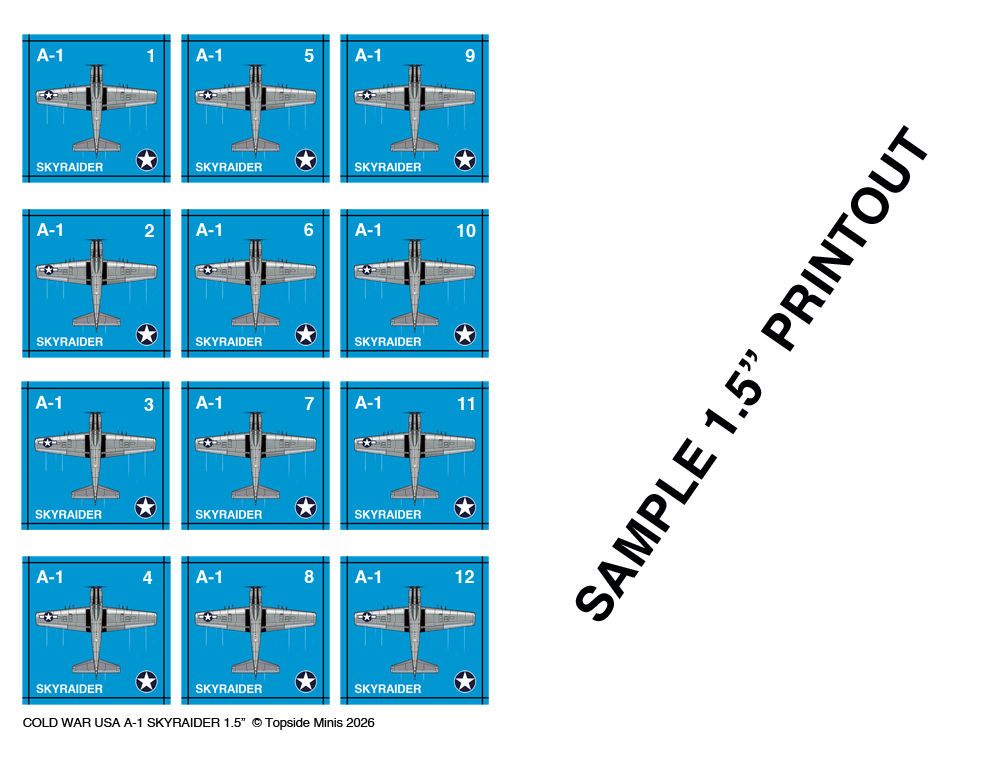
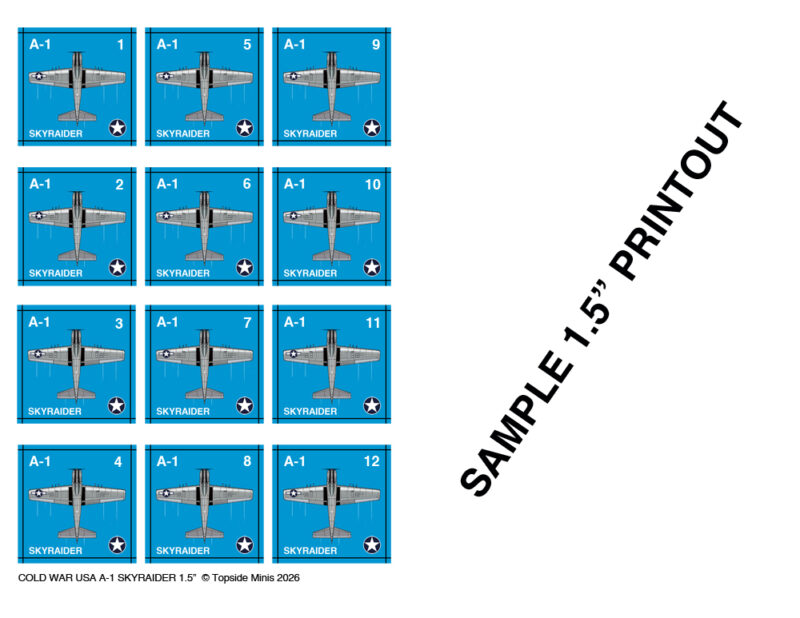
- 12 1.5” square counter images
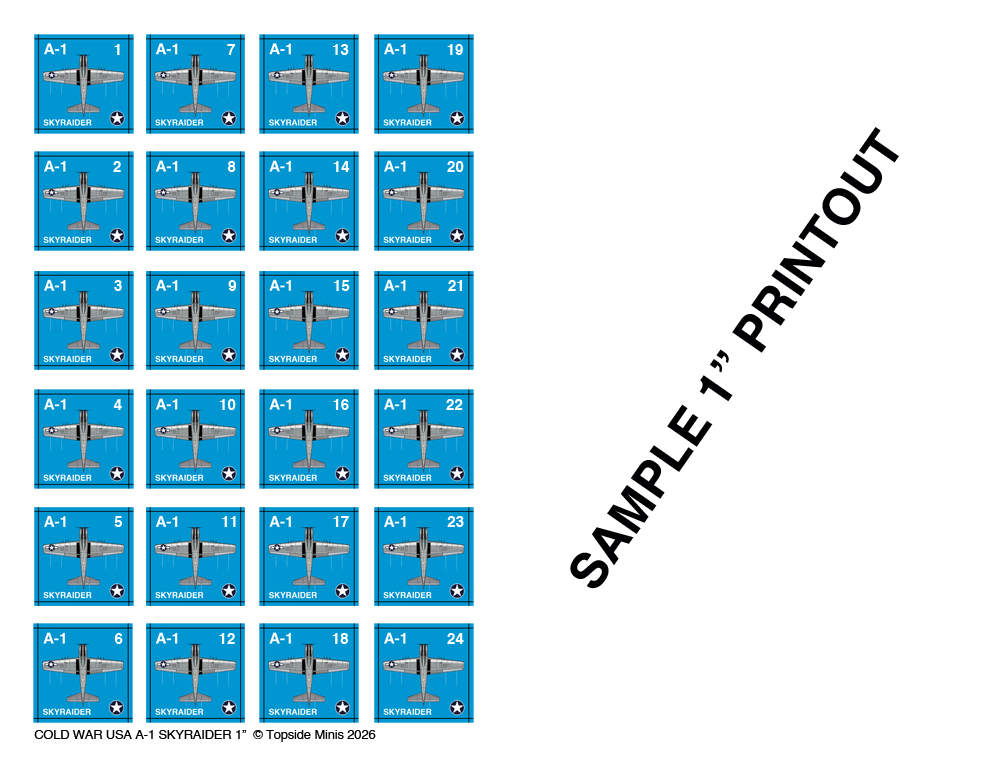
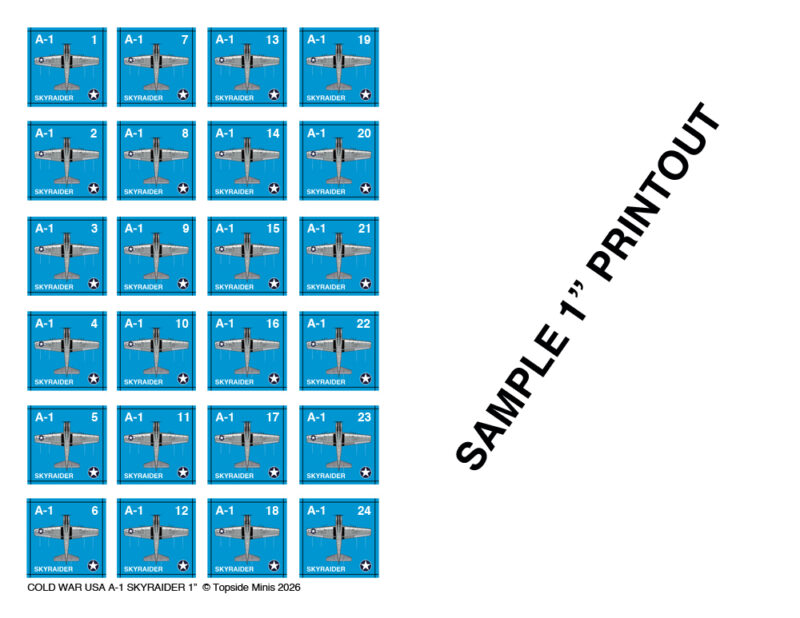
- 24 1” square counter images
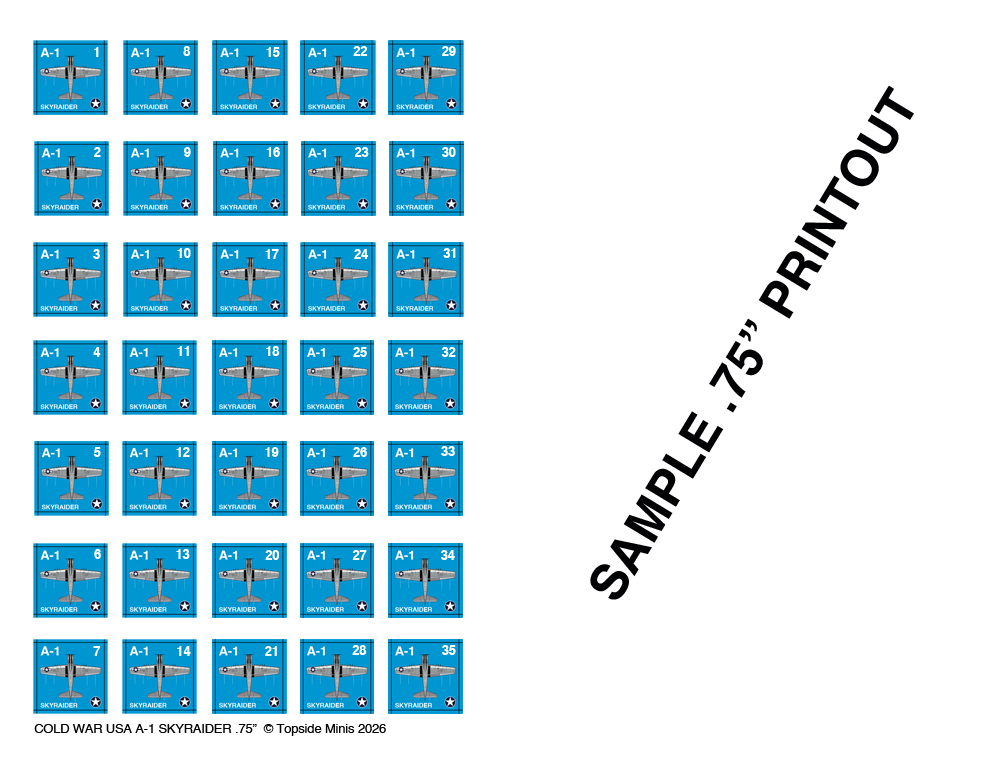
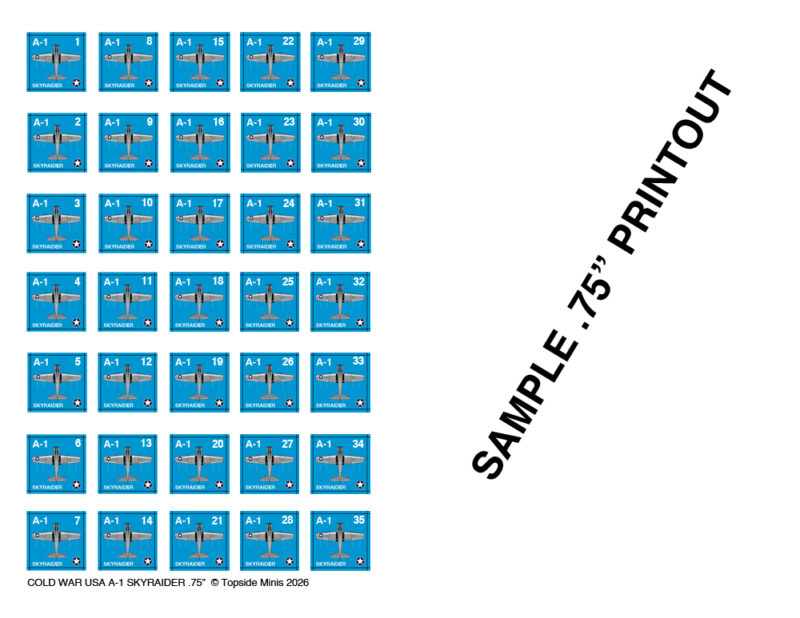
- 35 .75” square counter images
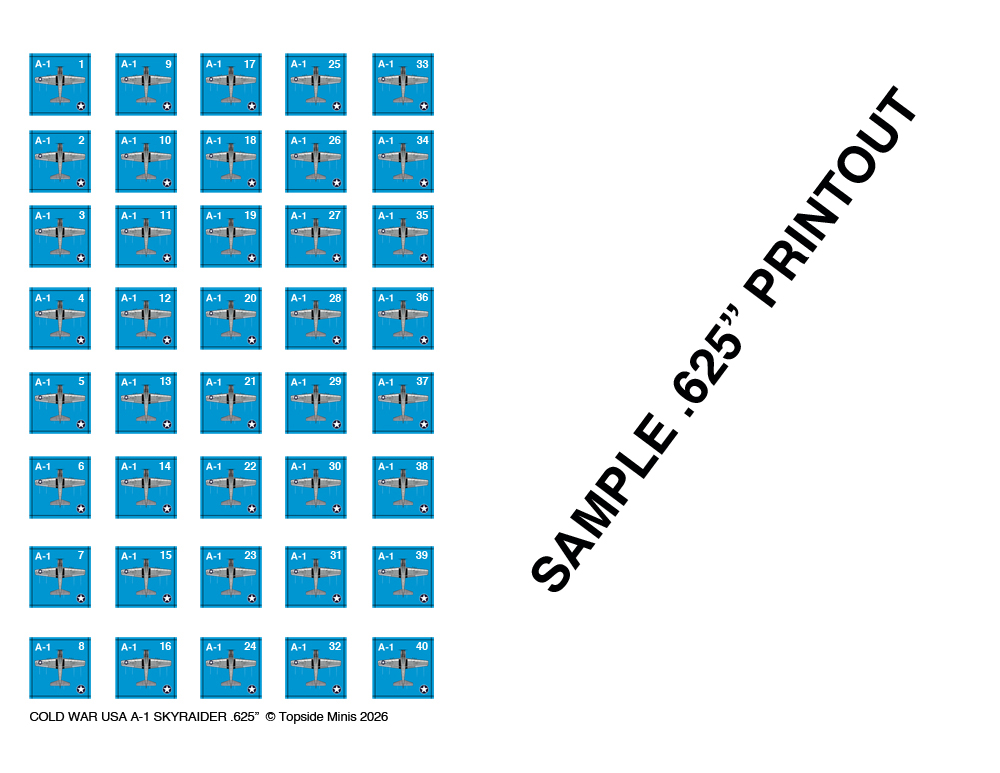
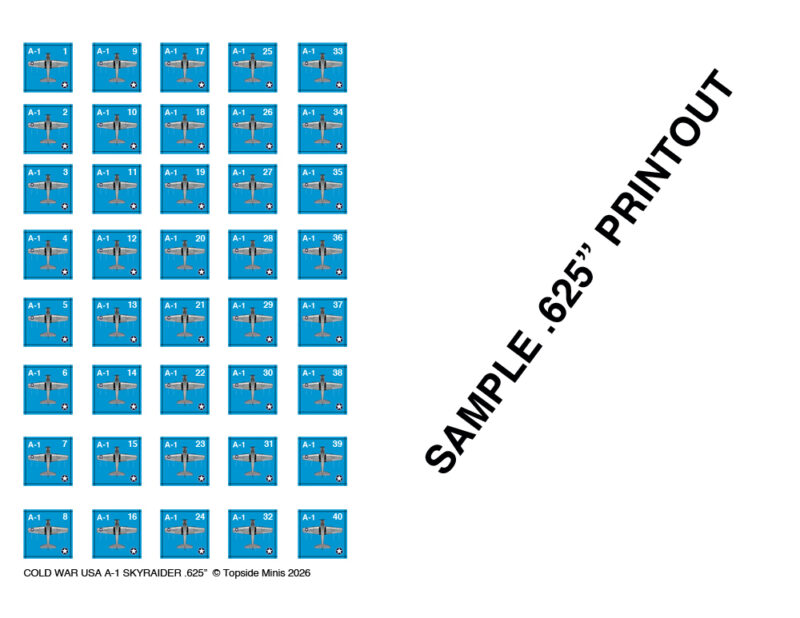
- 40 .625” square counter images
- Numbered Images to assist with game organization and tracking
- Printable PDF format for personal gaming use
Each image size is contained on a ½ sheet.
- Enables users to save paper and print 2 types of aircraft on the same page.
- Print one set of aircraft images then reverse the page in the printer and print a second type of your choice on the same page.
| Weight | N/A |
|---|---|
| Paper Size | A4 210 × 297 mm, Letter 8.5 x 11 |
Related products
Cold War Aircraft
Cold War Aircraft
Cold War Aircraft


Cold War Era

Cold War Aircraft

Cold War Aircraft

Cold War Aircraft
Cold War Aircraft