
Tu-4 Bull Tanker – PDF
$1.95
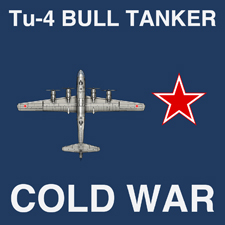
The Tupolev Tu-4 “Bull” Tanker was a Soviet aerial refueling conversion of the Tu-4 strategic bomber, developed during the early Cold War to extend the operational range of Soviet long-range aircraft. Based on the Soviet-built derivative of the American B-29 Superfortress, the tanker employed an unusual wingtip-to-wingtip refueling system that allowed fuel to be transferred between aircraft flying in close formation. Developed during the early 1950s, the Tu-4 tanker represented an important step in Soviet aerial refueling technology, helping establish the techniques and equipment later used by Soviet strategic aviation.
| Title | Range | Discount |
|---|---|---|
| Cold War Aircraft - 10% Off | 5 - 9 | 10% |
| Cold War Aircraft - 15% Off | 10 - 19 | 15% |
| Cold War Aircraft - 20% Off | 20 + | 20% |
The Tupolev Tu-4 “Bull” Tanker was developed during the early 1950s as the Soviet Union sought to extend the operational range of its strategic bomber force. Based on the four-engine Tu-4 bomber, itself reverse-engineered from the American Boeing B-29 Superfortress, the tanker conversion was part of an effort to develop practical aerial refueling systems for Soviet Long-Range Aviation. As the Cold War intensified, Soviet military planners recognized that aerial refueling could significantly increase the reach of existing bombers without requiring entirely new aircraft. Engineers experimented with several refueling arrangements, including the distinctive wingtip-to-wingtip system developed by Soviet designers Igor Shelest and Viktor Vasyanin.
The Tu-4 tanker employed an unusual wingtip-to-wingtip aerial refueling system in which two aircraft flew alongside one another while transferring fuel through a flexible hose. Unlike conventional probe-and-drogue arrangements, which generally position the receiving aircraft behind the tanker, the Soviet system required the receiver to maneuver alongside the tanker and establish a connection between their wingtips. The system used a guide line and specialized equipment to capture and position the refueling hose, allowing fuel to be transferred while both aircraft maintained close formation. This arrangement was technically demanding and required careful coordination between the crews, but it demonstrated that long-range bombers could replenish their fuel supplies in flight.
The Tu-4 tanker program was associated with the development of Soviet strategic aviation during the early Cold War, when the Soviet Union was expanding its nuclear deterrent and seeking ways to increase the operational reach of its bomber force. The ability to refuel aircraft in flight offered the possibility of extending bomber missions beyond their normal unrefueled range, potentially allowing Soviet aircraft to reach more distant targets. Tu-4 aircraft equipped for wingtip refueling were used in trials and limited operational applications, but the system never achieved the widespread adoption of later aerial refueling methods. The Tu-4 tanker did not participate in confirmed combat operations, and its significance was primarily technological and strategic rather than tactical.
As Soviet aviation technology advanced, the Tu-4 was gradually replaced by more capable aircraft, including the jet-powered Tupolev Tu-16 Badger and the turboprop-powered Tu-95 Bear. The wingtip-to-wingtip refueling concept was subsequently adapted for use with the Tu-16, while other Soviet tanker programs explored more conventional refueling arrangements. Eventually, dedicated tanker aircraft such as the Myasishchev M-4 and later Ilyushin Il-78 provided more practical support for long-range aviation operations. Although the Tu-4 tanker was produced only through conversions of existing bombers, it represented an important transitional development in Soviet military aviation. Its experimental refueling equipment and operational experience contributed to the evolution of Soviet aerial refueling techniques during the Cold War.
Service Branch: Soviet Air Forces (VVS), Long-Range Aviation
Soviet Development: Early 1950s
Soviet Service: 1950s (limited conversions and refueling operations)
Number Built: Limited number of Tu-4 bomber conversions; exact quantity not reliably established
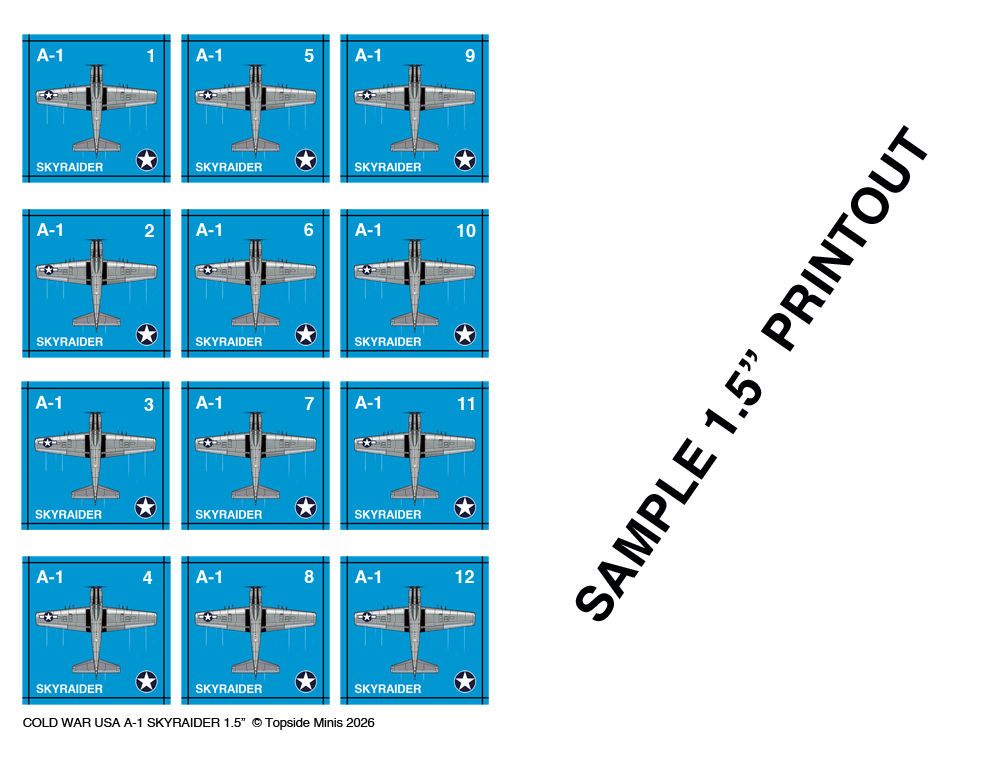
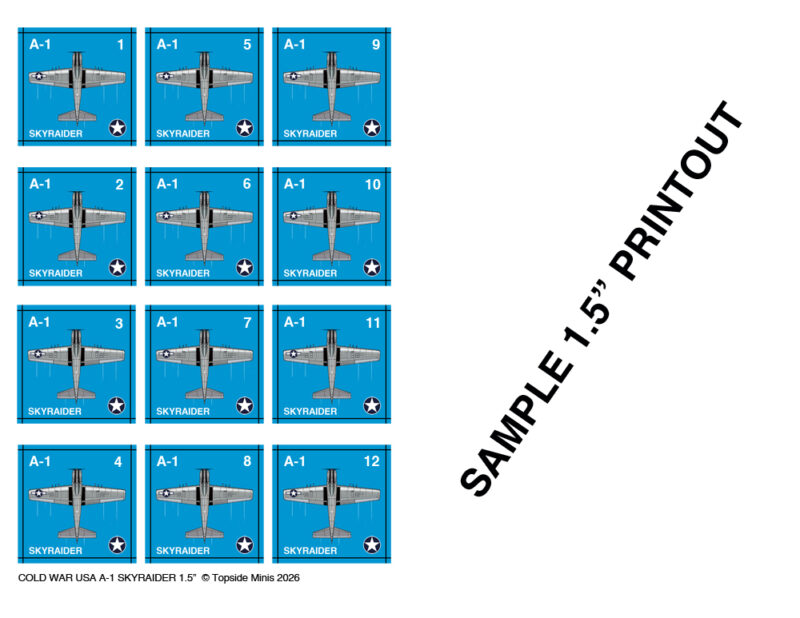
- 12 1.5” square counter images
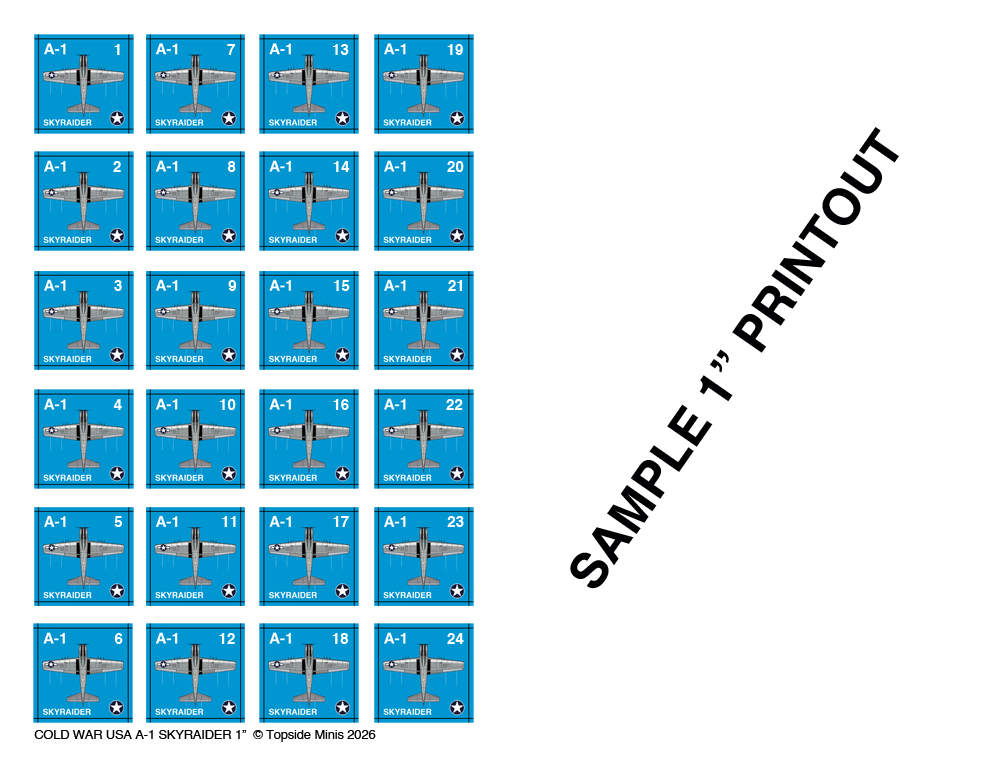
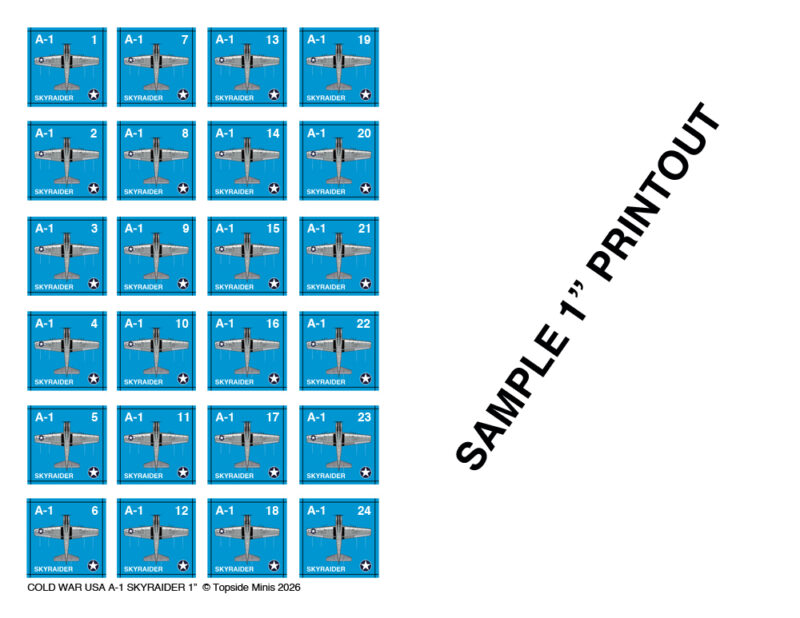
- 24 1” square counter images
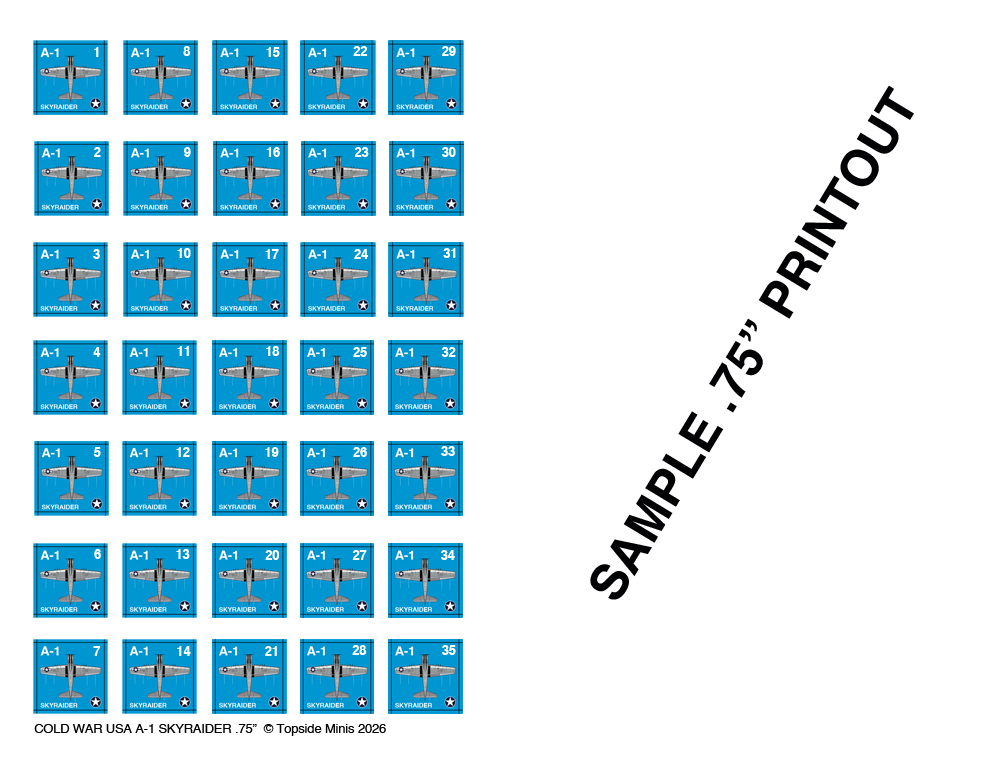
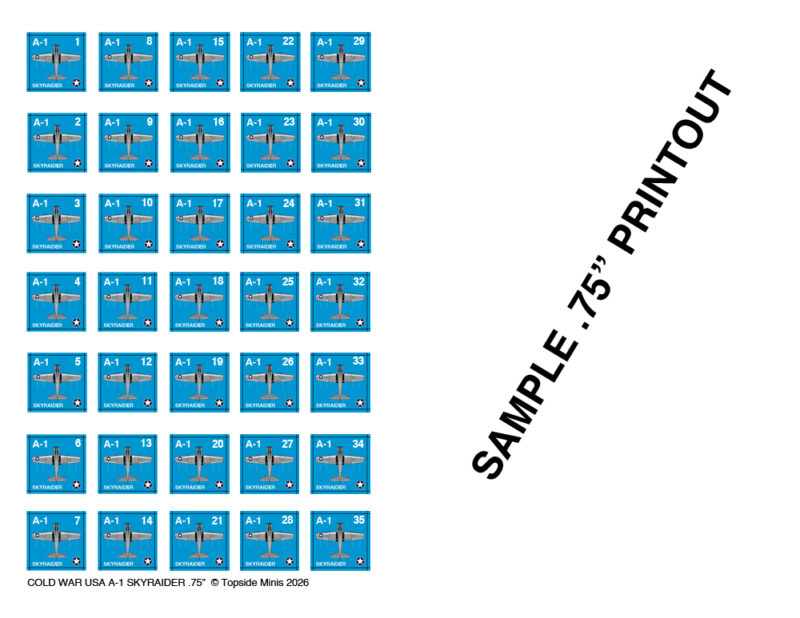
- 35 .75” square counter images
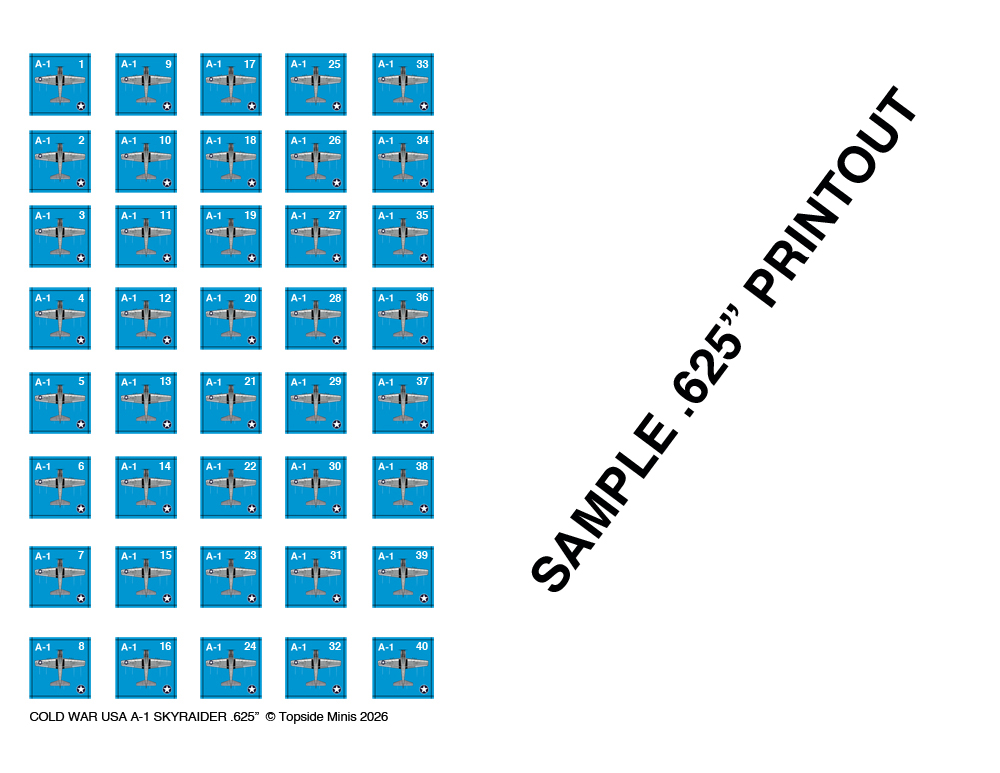
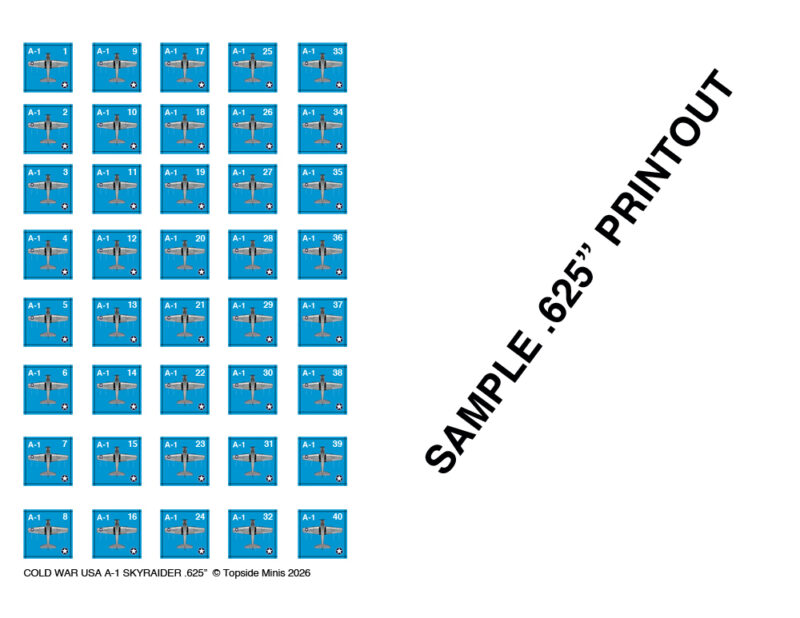
- 40 .625” square counter images
- Numbered Images to assist with game organization and tracking
- Printable PDF format for personal gaming use
Each image size is contained on a ½ sheet.
- Enables users to save paper and print 2 types of aircraft on the same page.
- Print one set of aircraft images then reverse the page in the printer and print a second type of your choice on the same page.
| Weight | N/A |
|---|---|
| Paper Size | A4 210 × 297 mm, Letter 8.5 x 11 |
Related products

Cold War Aircraft
Cold War Aircraft

Cold War Aircraft
Cold War Aircraft
Cold War Aircraft
Cold War Aircraft
Cold War Aircraft
Cold War Aircraft