
Tu-22M Backfire – PDF
$1.95
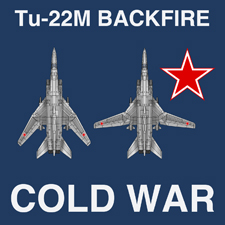
The Tupolev Tu-22M “Backfire” was a Soviet twin-engine, supersonic, variable-sweep-wing bomber developed for long-range conventional and nuclear strike missions. Entering operational service during the 1970s, the Backfire became one of the Soviet Union’s most formidable maritime strike and theater bombing aircraft. Designed to attack NATO naval formations, aircraft carriers, and strategic targets, the Tu-22M served extensively with Soviet Long-Range Aviation and Naval Aviation. The aircraft participated in the Soviet-Afghan War, the 2008 Russo-Georgian War, and the Russo-Ukrainian War, remaining an important component of Russian long-range aviation.
| Title | Range | Discount |
|---|---|---|
| Cold War Aircraft - 10% Off | 5 - 9 | 10% |
| Cold War Aircraft - 15% Off | 10 - 19 | 15% |
| Cold War Aircraft - 20% Off | 20 + | 20% |
The Tupolev Tu-22M “Backfire” was developed during the late 1960s as a successor to the earlier Tu-22 Blinder bomber, incorporating substantial improvements in range, payload, aerodynamic performance, and operational flexibility. Although it retained the Tu-22 designation for administrative and political reasons, the new aircraft was effectively a separate design. The Tupolev bureau adopted variable-sweep wings, twin engines mounted in the rear fuselage, and a revised crew arrangement to overcome limitations associated with the earlier bomber. The prototype Tu-22M0 first flew in August 1969, followed by progressively improved production versions. The Tu-22M2 entered operational service during the mid-1970s, establishing the Backfire as an important component of Soviet long-range strike aviation.
The Tu-22M was designed primarily for long-range conventional and nuclear bombing, maritime strike, and theater interdiction missions. Operating with Soviet Long-Range Aviation and Naval Aviation, the Backfire was particularly important to Soviet plans for attacking NATO aircraft carrier battle groups and other major naval formations. Its principal maritime weapon was the powerful Kh-22 air-launched missile, designed to attack large surface warships and other high-value targets at considerable distances. The aircraft could also carry conventional bombs and nuclear weapons for attacks against airfields, military installations, transportation networks, and other strategic targets. The improved Tu-22M3 “Backfire-C”, introduced during the 1980s, featured more powerful engines, redesigned air intakes, improved avionics, and greater operational performance than earlier versions.
The Backfire first saw combat during the Soviet-Afghan War (1979–1989), when Tu-22M2 and Tu-22M3 bombers conducted heavy bombing operations against Afghan resistance positions and suspected supply areas. Although the aircraft had been designed for operations against sophisticated military targets, its substantial bomb capacity made it useful for large-scale conventional bombing missions. Following the dissolution of the Soviet Union, Russian Tu-22M3 aircraft participated in the 2008 Russo-Georgian War, conducting bombing and reconnaissance-related operations. During that conflict, a Russian Tu-22M3 was shot down by Georgian air defenses, demonstrating the vulnerability of large bombers operating within the reach of modern surface-to-air missile systems.
The Tu-22M3 has continued serving with Russian Long-Range Aviation and has participated extensively in the Russo-Ukrainian War. Russian Backfires have launched Kh-22 and Kh-32 missiles against Ukrainian targets and conducted other long-range strike missions. The aircraft has also been associated with attacks causing substantial civilian casualties, including the January 2023 missile strike on an apartment building in Dnipro. Russian modernization efforts have produced the Tu-22M3M, intended to incorporate improved avionics, navigation, and weapons systems. Although originally developed during the Cold War, the NATO-designated “Backfire” has remained a significant element of Russian long-range aviation, combining high-speed performance, substantial weapons capacity, and the ability to conduct maritime and land-attack missions over considerable distances.
Service Branch: Soviet Air Forces (Long-Range Aviation); Soviet Naval Aviation; Russian Air Force (Long-Range Aviation)
Soviet Service: Mid-1970s–1991
Post-Soviet Service: 1991–present (Russia)
Number Built: Approximately 500 aircraft across the Tu-22M family
What’s included for both versions:
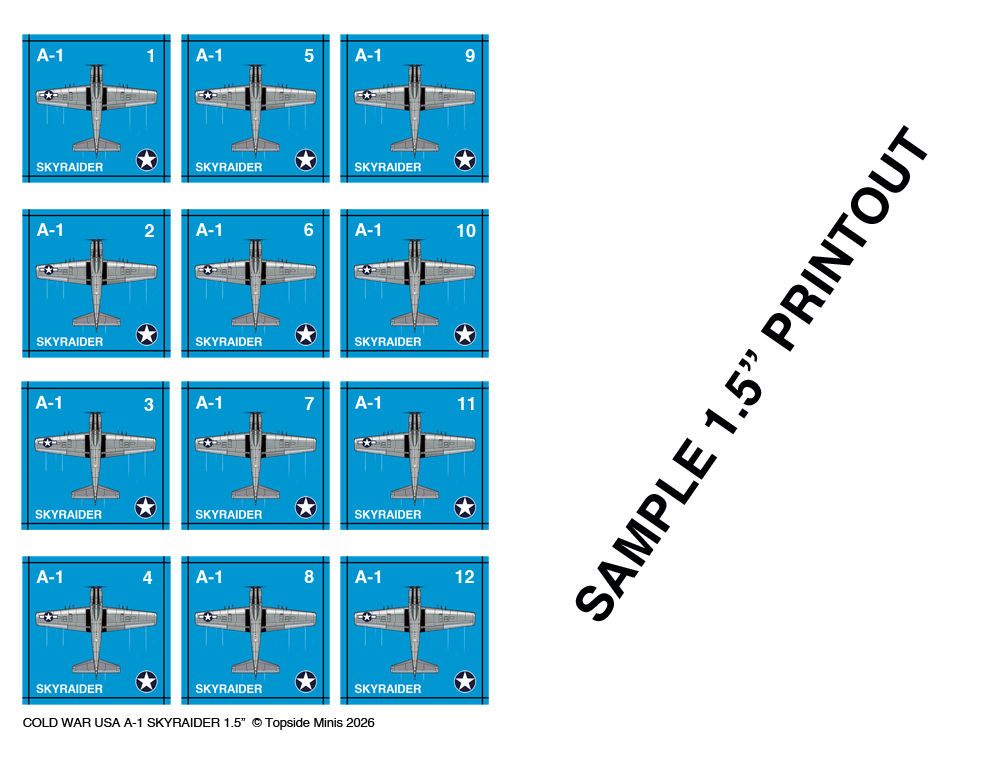
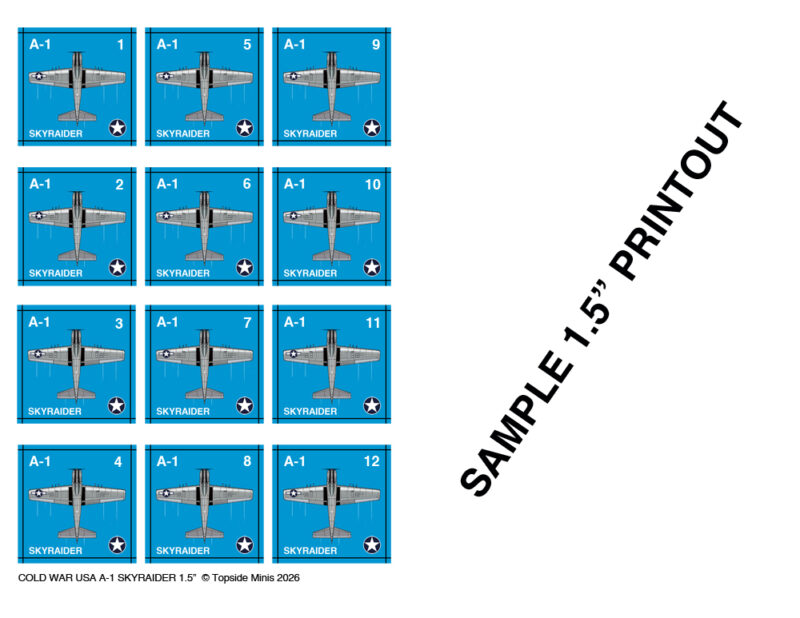
- 12 1.5” square counter images
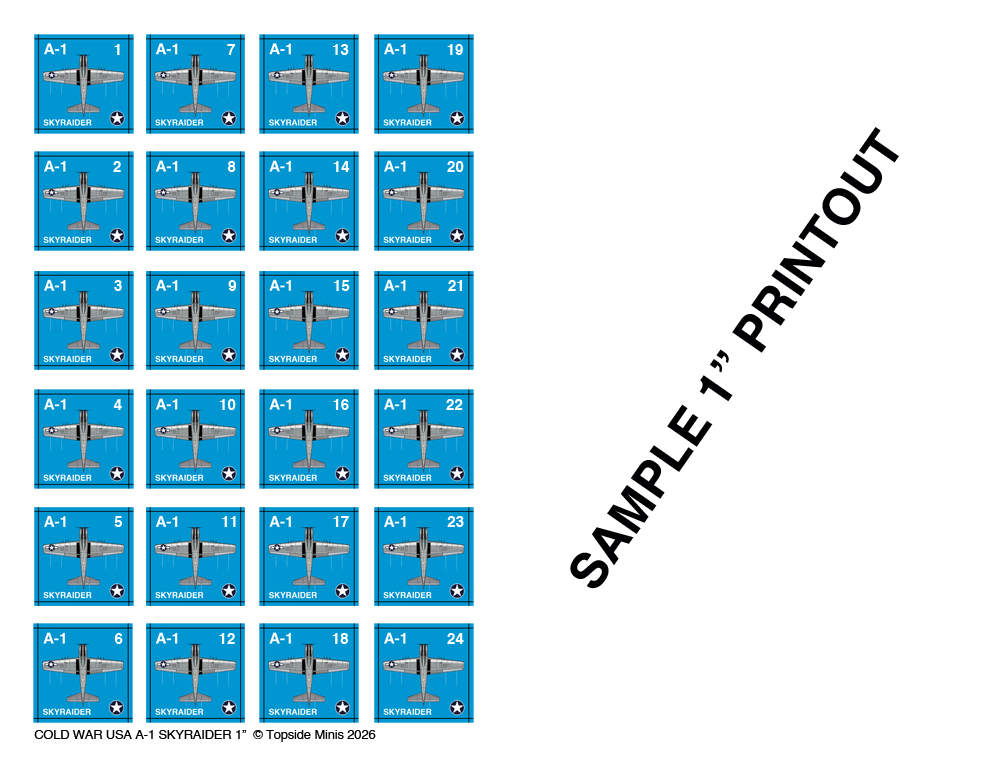
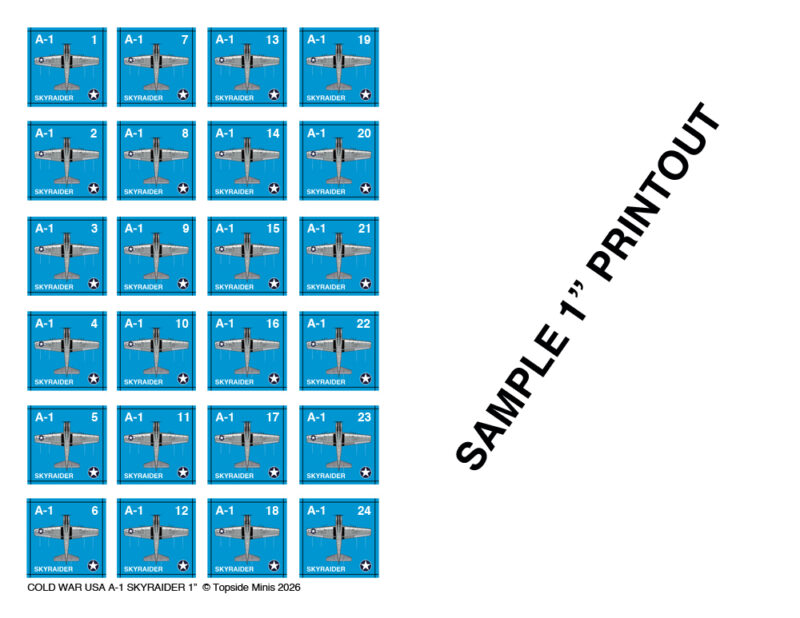
- 24 1” square counter images
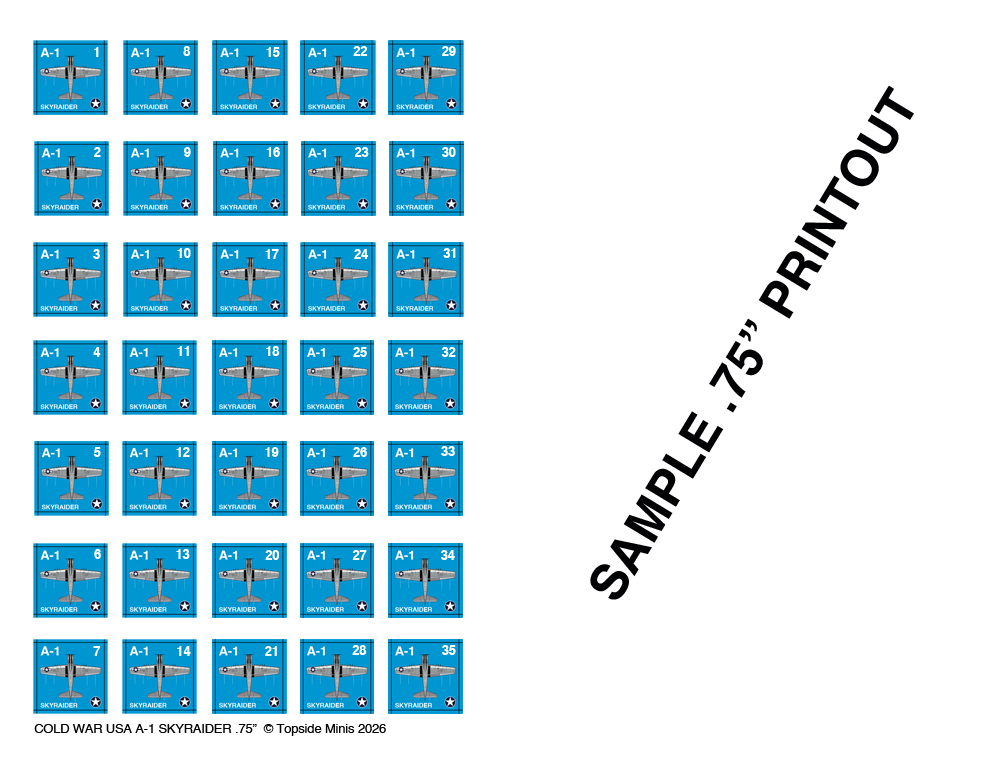
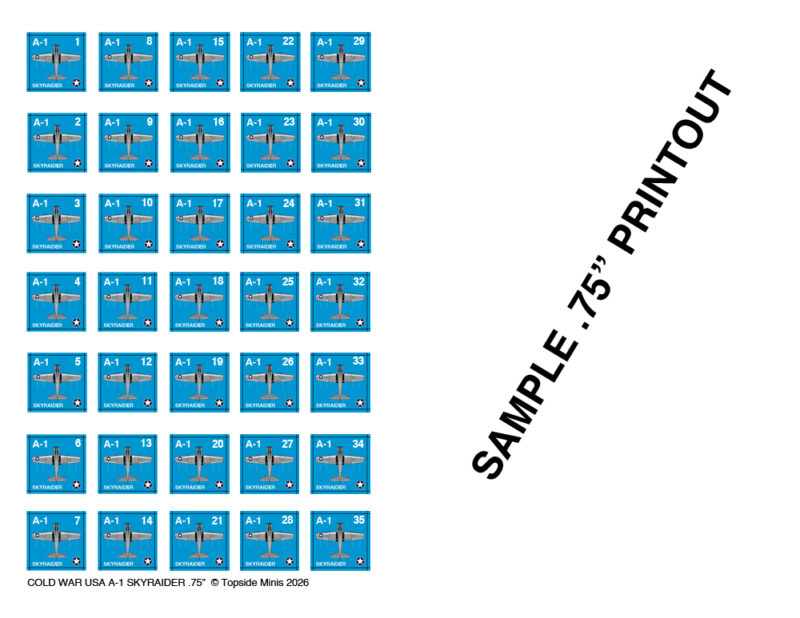
- 35 .75” square counter images
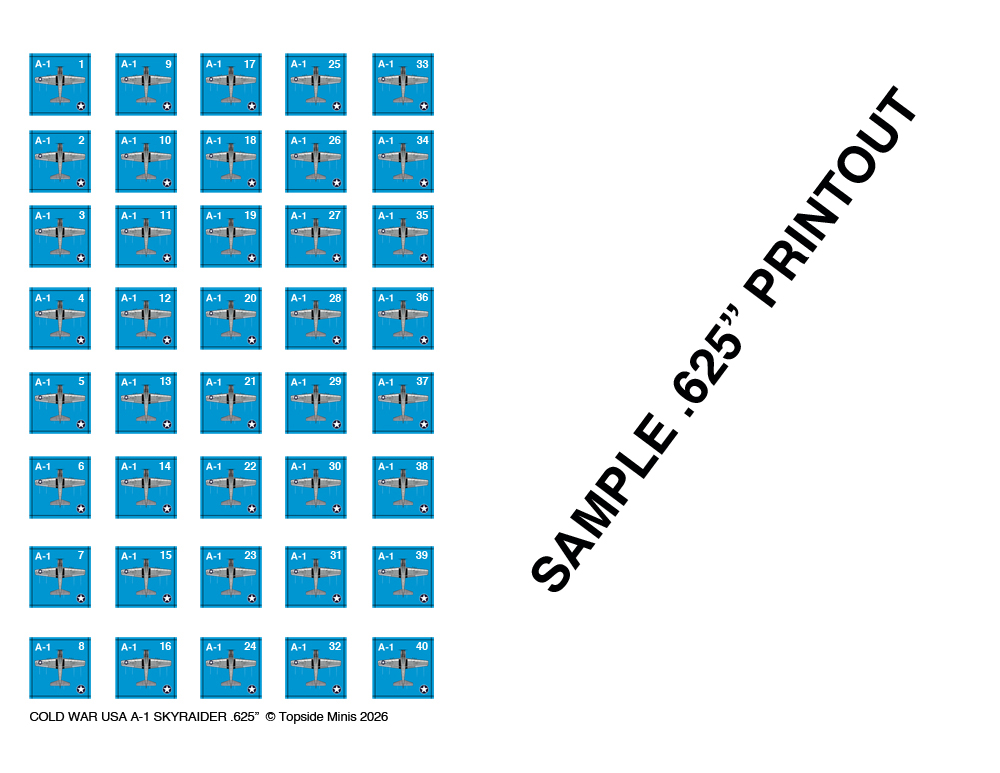
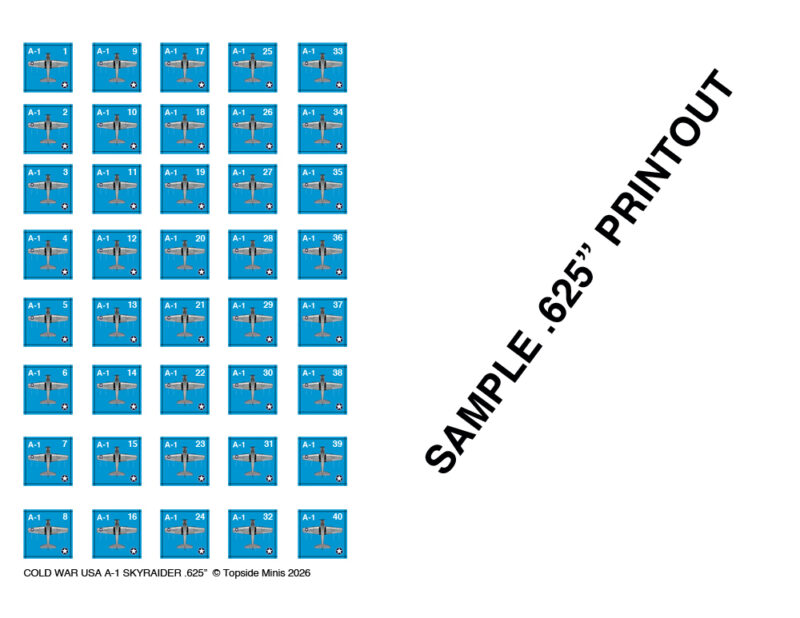
- 40 .625” square counter images
- Numbered Images to assist with game organization and tracking
- Printable PDF format for personal gaming use
Each image size is contained on a ½ sheet.
- Enables users to save paper and print 2 types of aircraft on the same page.
- Print one set of aircraft images then reverse the page in the printer and print a second type of your choice on the same page.
| Weight | N/A |
|---|---|
| Paper Size | A4 210 × 297 mm, Letter 8.5 x 11 |
Related products
Cold War Aircraft
Cold War Aircraft

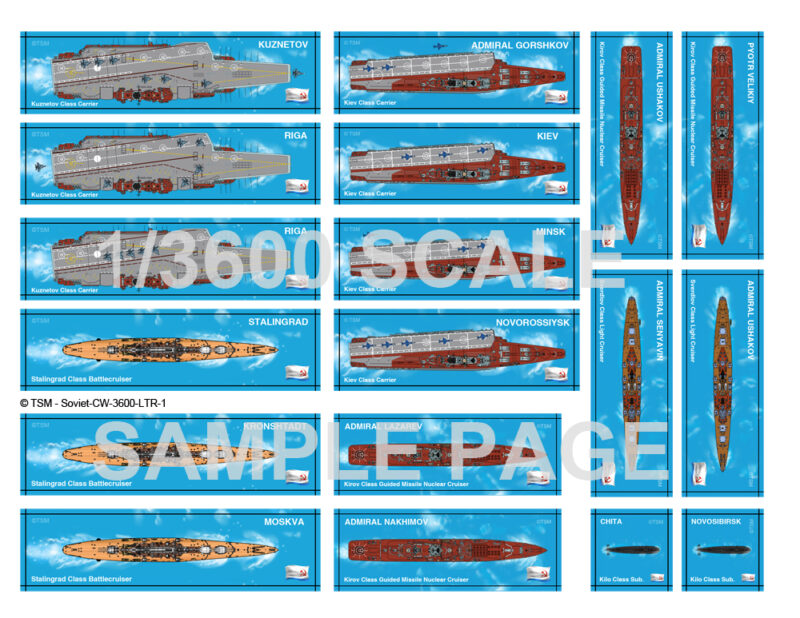
Cold War Era
Cold War Aircraft
Cold War Aircraft
Cold War Aircraft
Cold War Aircraft

Cold War Aircraft