Po-2 Mule – PDF
$2.45
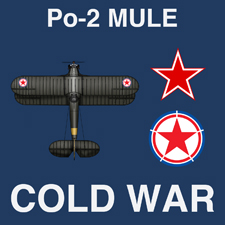
The Polikarpov Po-2 “Mule” was a Soviet single-engine biplane originally developed as a trainer but widely employed for reconnaissance, liaison, transport, and light bombing missions. Famous for its service with the Soviet “Night Witches” during World War II, the Po-2 continued operating into the Cold War and saw combat during the Korean War, where North Korean forces used the slow-flying aircraft for nighttime harassment and bombing raids.
| Title | Range | Discount |
|---|---|---|
| Cold War Aircraft - 10% Off | 5 - 9 | 10% |
| Cold War Aircraft - 15% Off | 10 - 19 | 15% |
| Cold War Aircraft - 20% Off | 20 + | 20% |
The Polikarpov Po-2 “Mule” was developed during the late 1920s by Soviet aircraft designer Nikolai Polikarpov as a simple, inexpensive, and reliable training aircraft. Originally designated the U-2, the fabric-covered, single-engine biplane entered service in 1928 and became one of the most widely produced aircraft in aviation history. Its forgiving handling characteristics, low operating costs, and ability to use short, unimproved airfields made it exceptionally versatile. Although designed primarily for pilot training, the aircraft was soon adapted for reconnaissance, communications, medical evacuation, and light transport duties.
During World War II, the Po-2 became famous for its use as a light night bomber by Soviet forces on the Eastern Front. Its most celebrated operators were the women of the 588th Night Bomber Aviation Regiment, later redesignated the 46th Guards Night Bomber Aviation Regiment, who became known to German troops as the “Night Witches.” Flying at low altitude and frequently approaching their targets with engines throttled back, these crews conducted repeated nighttime harassment attacks against German positions, supply areas, and troop concentrations. Although slow and lightly armed, the Po-2 proved remarkably effective in this specialized role because of its simplicity, maneuverability, and ability to operate from primitive forward airfields.
The Po-2 remained operational after World War II and saw further combat during the Korean War. North Korean forces employed the aircraft for nighttime bombing and harassment missions against United Nations airfields, supply installations, and military positions. Its extremely low speed and small radar signature made it a surprisingly difficult target for faster jet fighters and contemporary air defense systems. These attacks demonstrated that an aircraft developed decades earlier could still pose a threat when employed under favorable conditions. North Korean Po-2 operations became a distinctive feature of the air war over Korea, particularly during nighttime raids against American and allied installations.
Beyond its combat service, the Po-2 was extensively employed throughout the Soviet Union and allied countries for pilot training, agricultural work, communications, and general utility duties. The aircraft was also manufactured in Poland after World War II and remained in use long after more modern aircraft had entered service. Although technologically obsolete by the beginning of the Cold War, the NATO-designated “Mule” retained considerable value in specialized military roles. Its extraordinary production history, extensive World War II combat service, and unexpected effectiveness during the Korean War made the Po-2 one of the most remarkable light aircraft of the twentieth century.
Service Branch: Soviet Air Forces (Red Air Force); North Korean Air Force; numerous Soviet-aligned military services
Soviet Service: 1928–1950s
North Korean Service: 1950s (including the Korean War)
Number Built: 33,000+ (including postwar licensed production)
What’s Included:
- For both versions of the aircraft
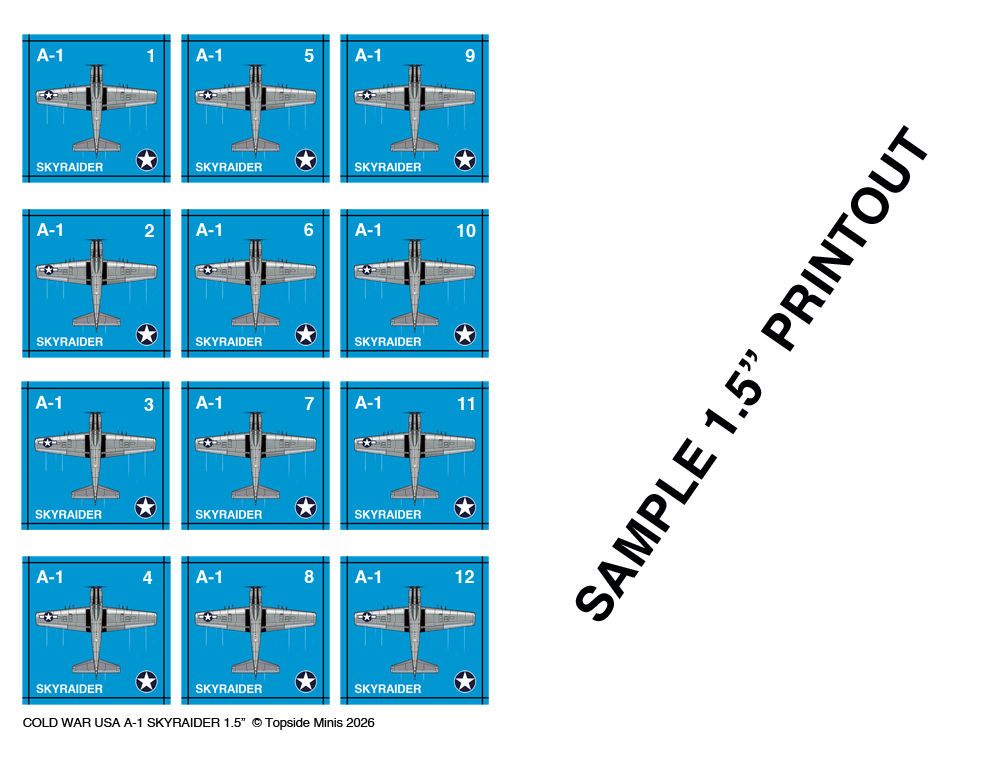
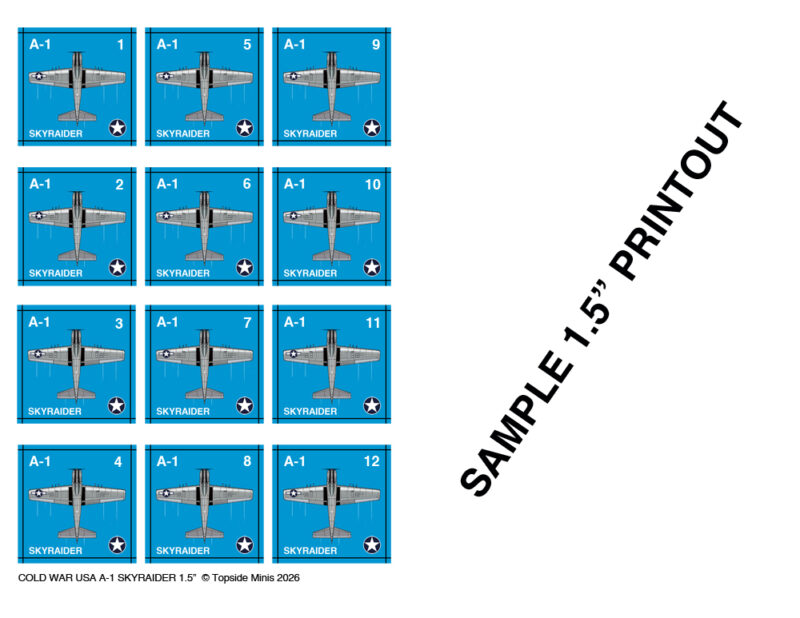
- 12 1.5” square counter images
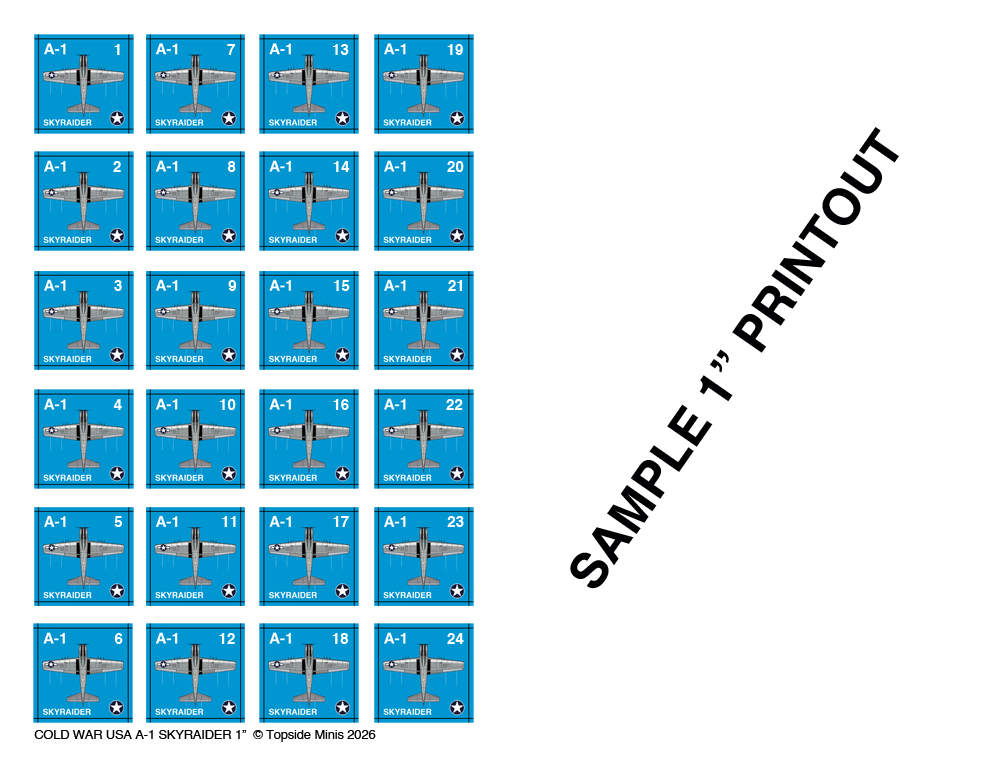
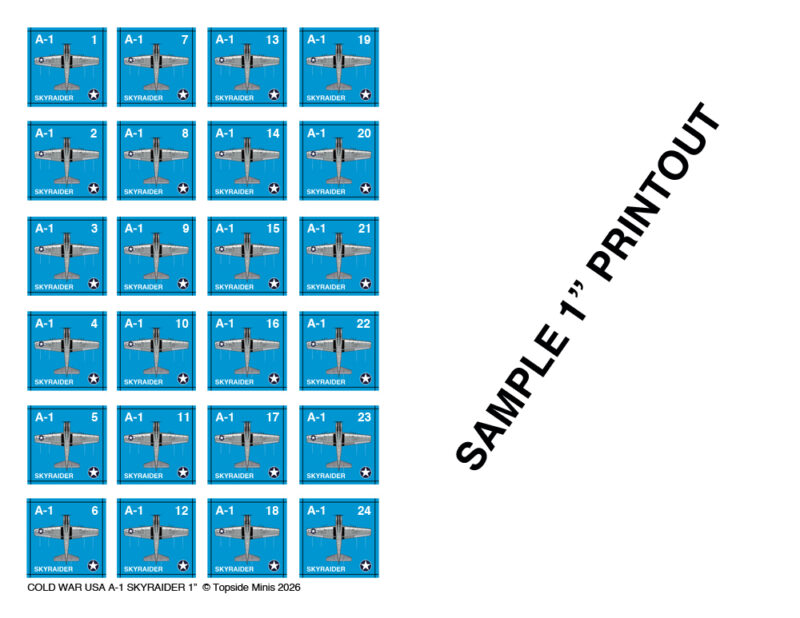
- 24 1” square counter images
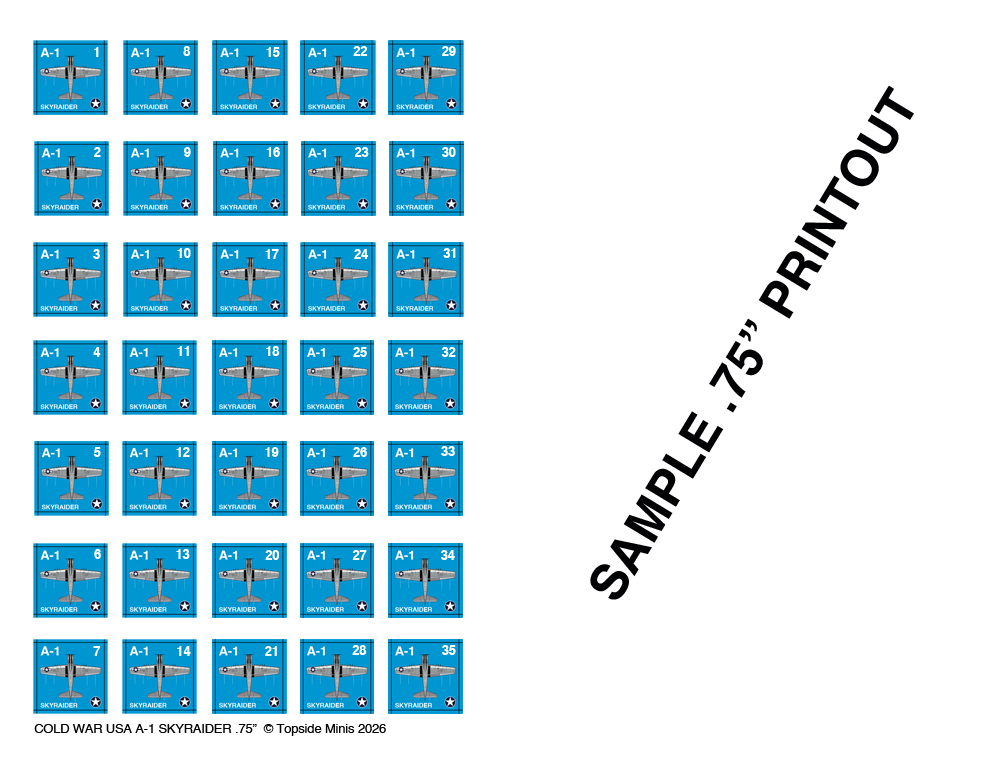
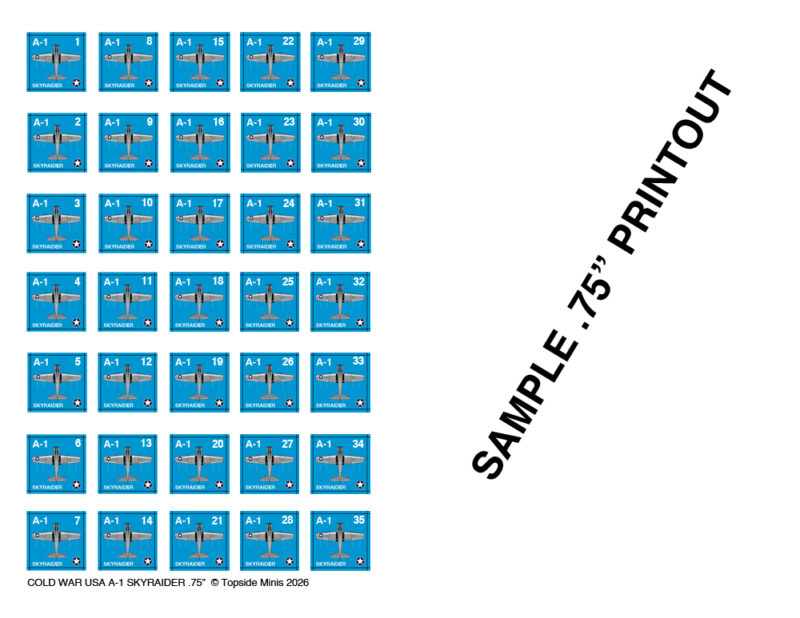
- 35 .75” square counter images
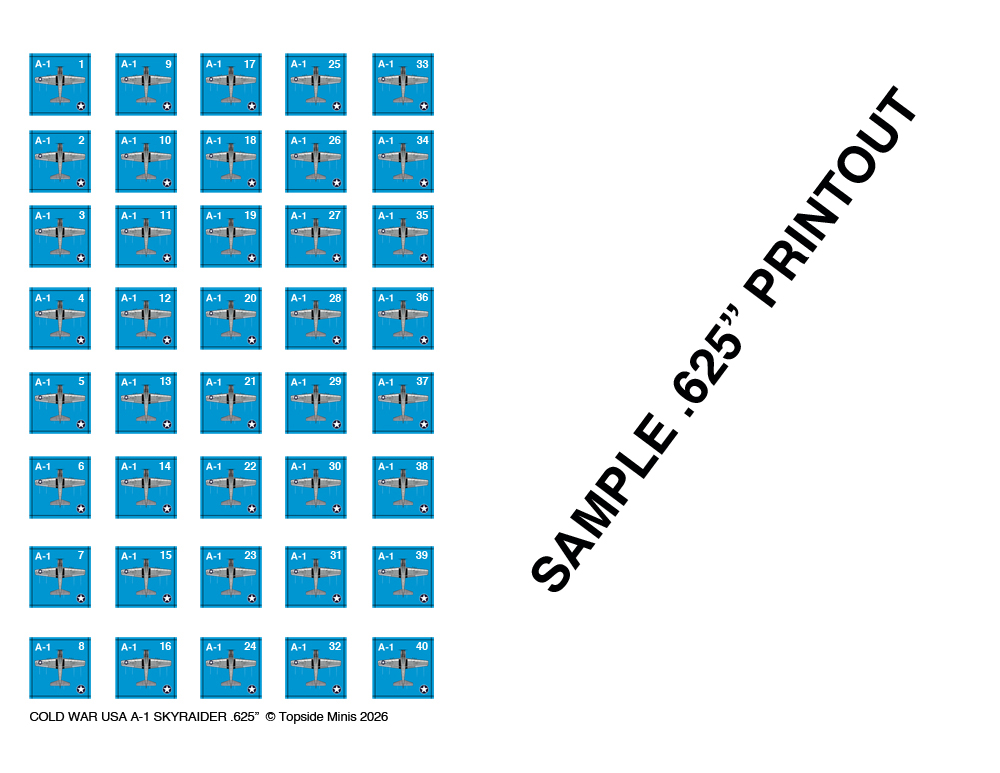
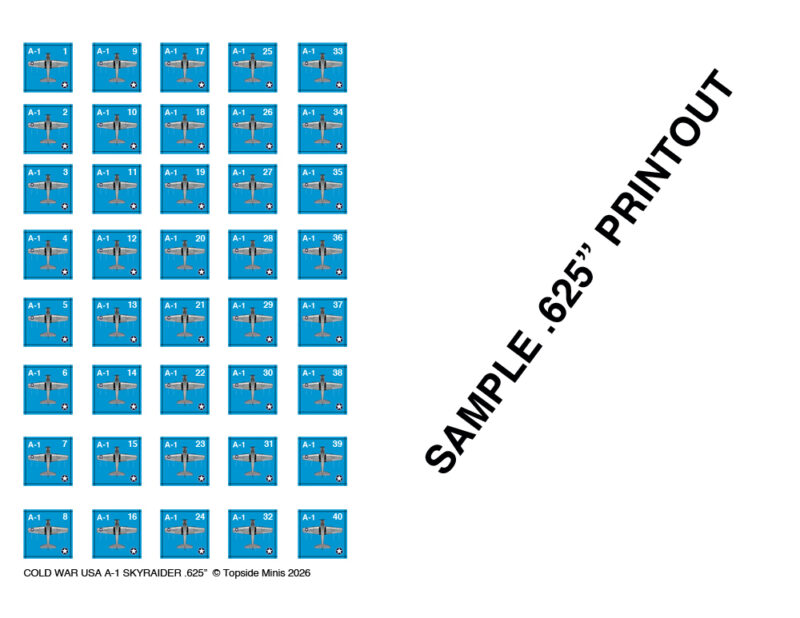
- 40 .625” square counter images
- Numbered Images to assist with game organization and tracking
Printable PDF format for personal gaming useEach image size is contained on a ½ sheet.
- Enables users to save paper and print 2 types of aircraft on the same page.
- Print one set of aircraft images then reverse the page in the printer and print a second type of your choice on the same page.
| Weight | N/A |
|---|---|
| Paper Size | A4 210 × 297 mm, Letter 8.5 x 11 |
Related products
Cold War Aircraft
Cold War Aircraft
Cold War Aircraft
Cold War Aircraft
Cold War Aircraft


Cold War Era
Cold War Aircraft

Cold War Aircraft