SH3 Sea King – PDF
$1.95
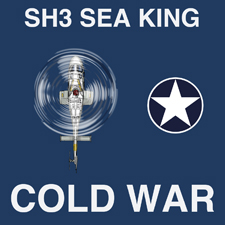
The Sikorsky SH-3 Sea King was a twin-engine U.S. Navy helicopter developed for carrier-based anti-submarine warfare during the Cold War. Designed to detect, track, and attack enemy submarines, the Sea King also performed search and rescue, personnel recovery, transport, and naval support missions. It served extensively during the Vietnam War, recovering downed aviators and supporting fleet operations, and later participated in the Persian Gulf War. The Sea King became one of the most recognizable and widely operated naval helicopters of the Cold War.
| Title | Range | Discount |
|---|---|---|
| Cold War Aircraft - 10% Off | 5 - 9 | 10% |
| Cold War Aircraft - 15% Off | 10 - 19 | 15% |
| Cold War Aircraft - 20% Off | 20 + | 20% |
The Sikorsky SH-3 Sea King was developed during the late 1950s to provide the U.S. Navy with a modern, all-weather anti-submarine warfare helicopter capable of operating from aircraft carriers and other naval vessels. Originally designated HSS-2, the Sea King entered operational service in 1961 and received the SH-3 designation under the unified military aircraft designation system in 1962. Its twin turbine engines, amphibious hull, and advanced submarine detection equipment represented a major improvement over earlier naval helicopters. The Sea King was designed to conduct both submarine detection and attack missions, allowing a single helicopter to locate, track, and engage enemy submarines.
Throughout the Cold War, the SH-3 became a central component of U.S. Navy anti-submarine warfare operations. Equipped with dipping sonar, sonobuoys, and anti-submarine torpedoes, the Sea King helped protect American carrier battle groups and other naval formations against the growing Soviet submarine fleet. Operating from aircraft carriers, amphibious assault ships, and shore installations, the helicopter provided a flexible means of extending submarine detection and attack capabilities well beyond the immediate vicinity of surface ships. Its endurance, reliability, and ability to operate in demanding maritime conditions made it particularly valuable during extended deployments across the Atlantic, Pacific, and Mediterranean.
During the Vietnam War, the Sea King performed a wide variety of missions beyond its original anti-submarine role. U.S. Navy SH-3 helicopters conducted search and rescue operations, recovering American and allied aircrews downed over the Gulf of Tonkin and surrounding areas. Specialized rescue detachments operated in support of carrier air strikes, while other Sea Kings transported personnel and supplies between ships and shore facilities. The helicopter’s ability to operate over water for extended periods and recover personnel from difficult locations made it an essential part of naval aviation operations throughout the conflict.
The Sea King remained in service through the final decades of the Cold War, gradually assuming additional duties as newer helicopters such as the SH-60 Seahawk took over many front-line anti-submarine missions. During the 1991 Persian Gulf War (Operation Desert Storm), remaining U.S. Navy Sea Kings supported fleet operations, including logistics and personnel transport. The basic Sea King design was also widely exported and manufactured under license in several countries, including the United Kingdom, Italy, and Japan, with foreign variants participating in conflicts such as the Falklands War. Although eventually retired from U.S. Navy service, the Sea King’s long operational history and worldwide use established it as one of the most successful naval helicopter designs of the Cold War.
Service Branch: U.S. Navy; numerous allied naval and military services
U.S. Service: 1961–2006
Number Built: 1,300+ (Sea King family, including licensed production)
What’s Included:
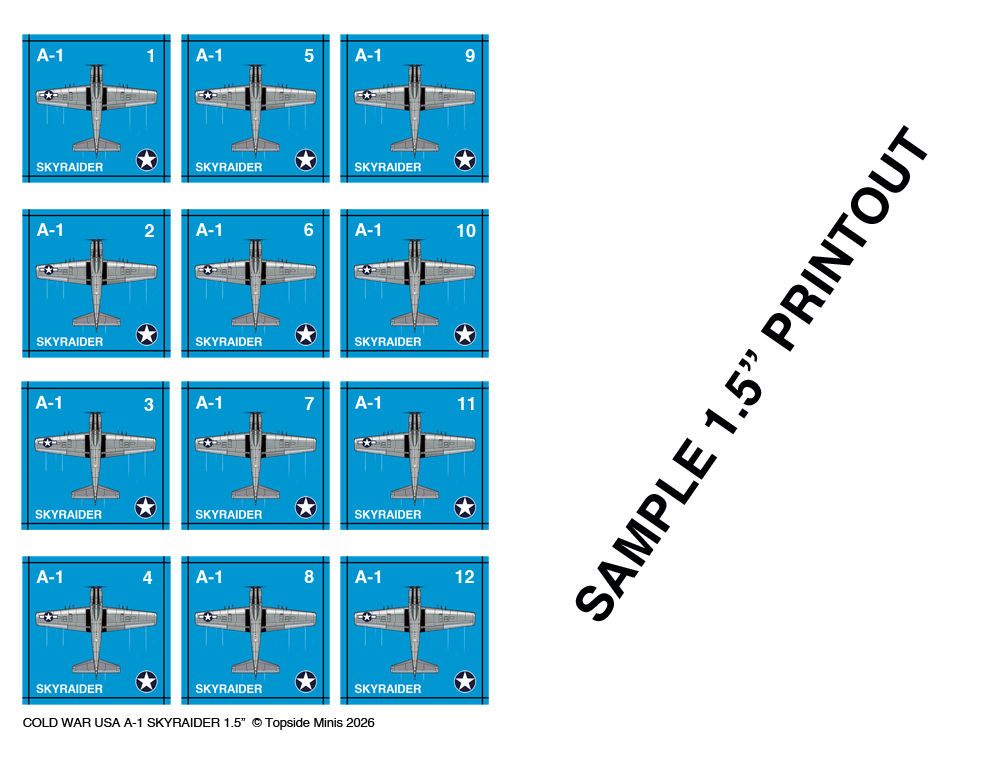
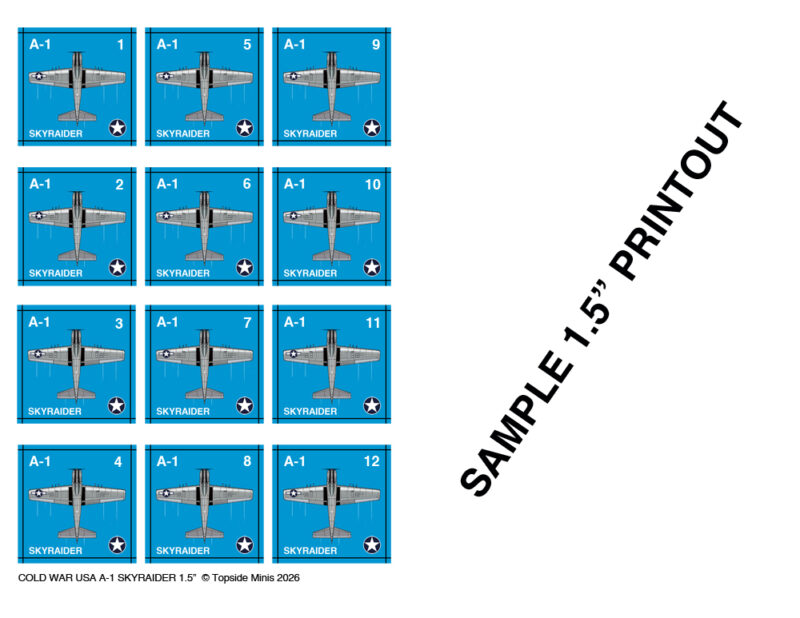
- 12 1.5” square counter images
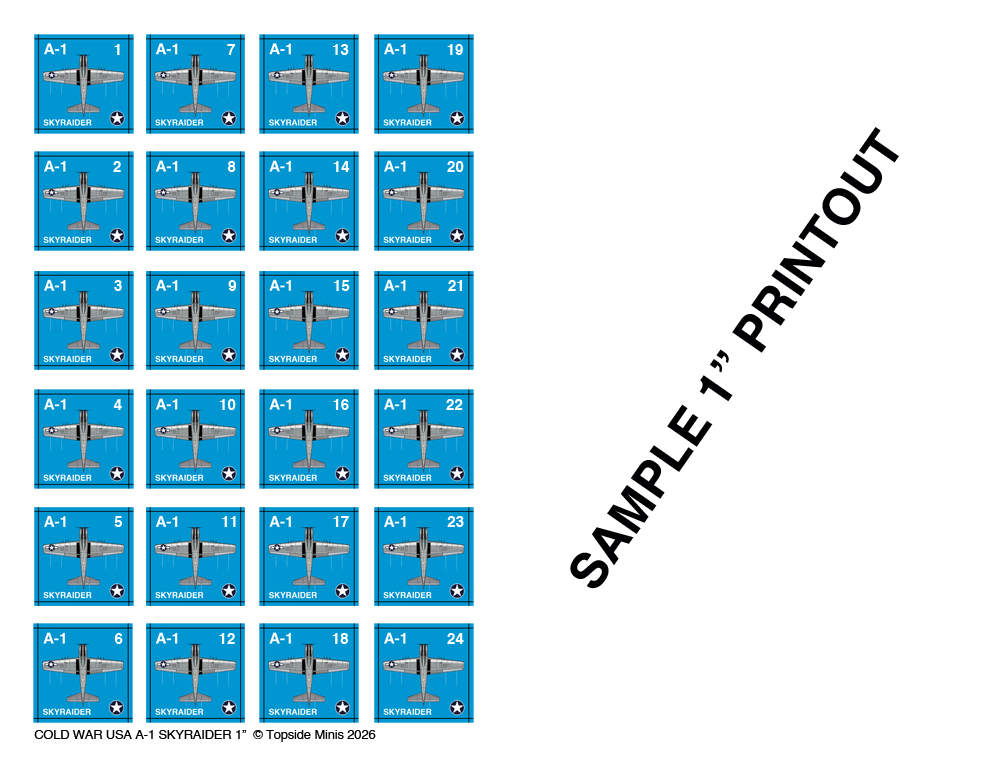
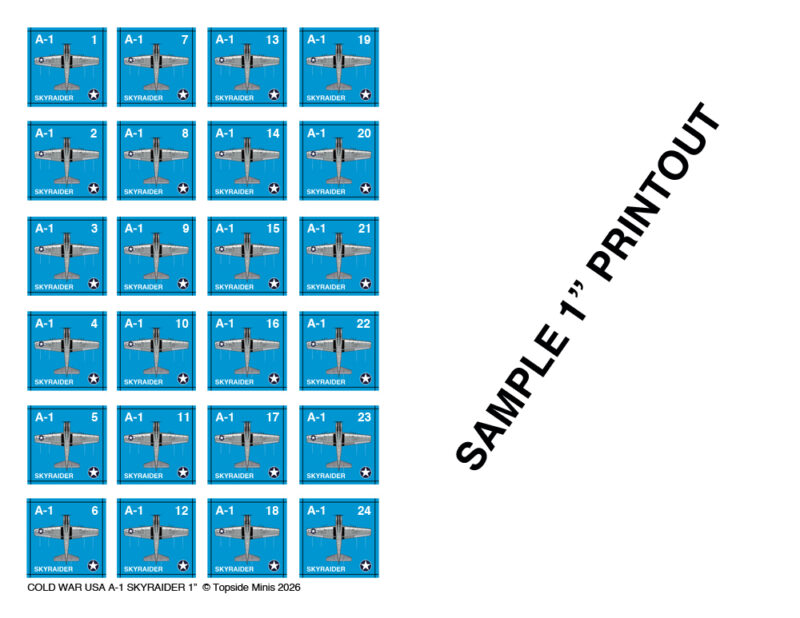
- 24 1” square counter images
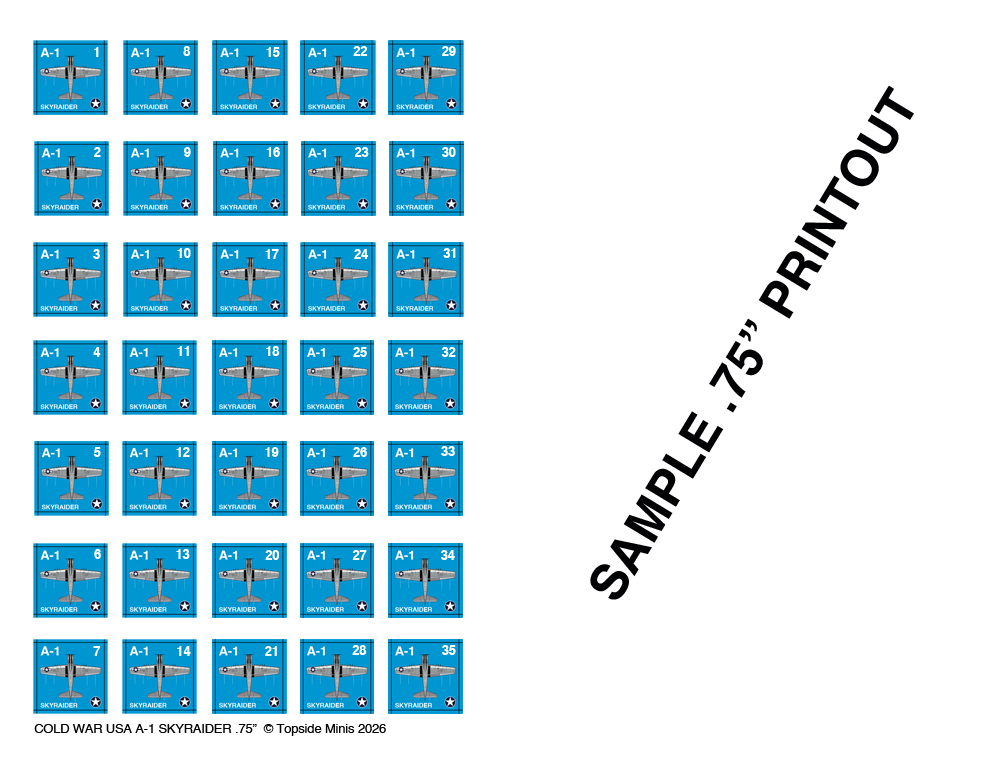
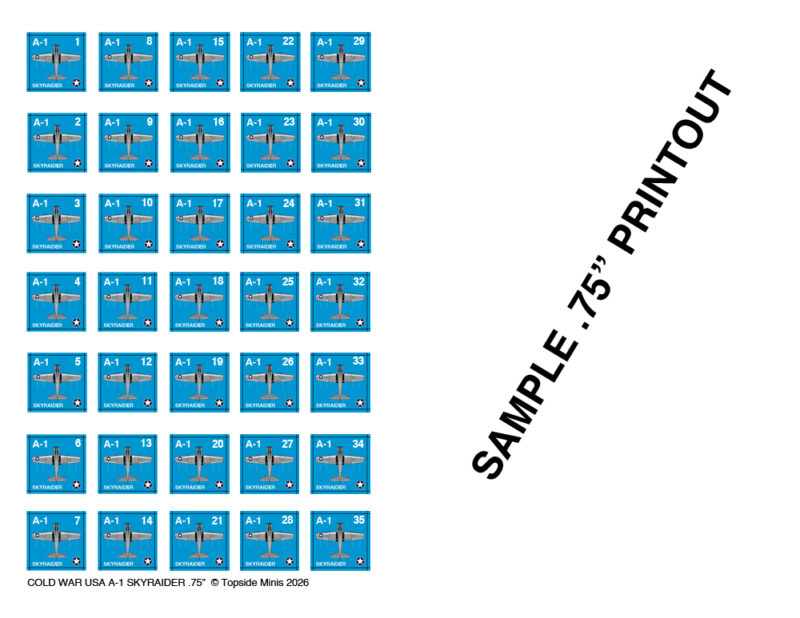
- 35 .75” square counter images
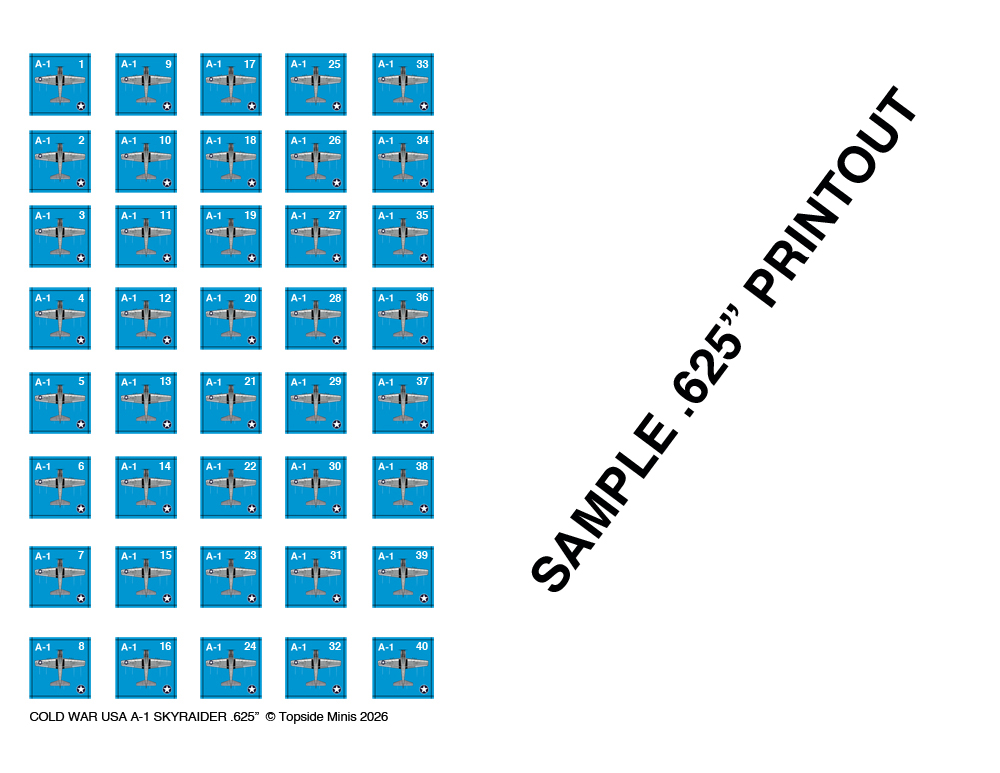
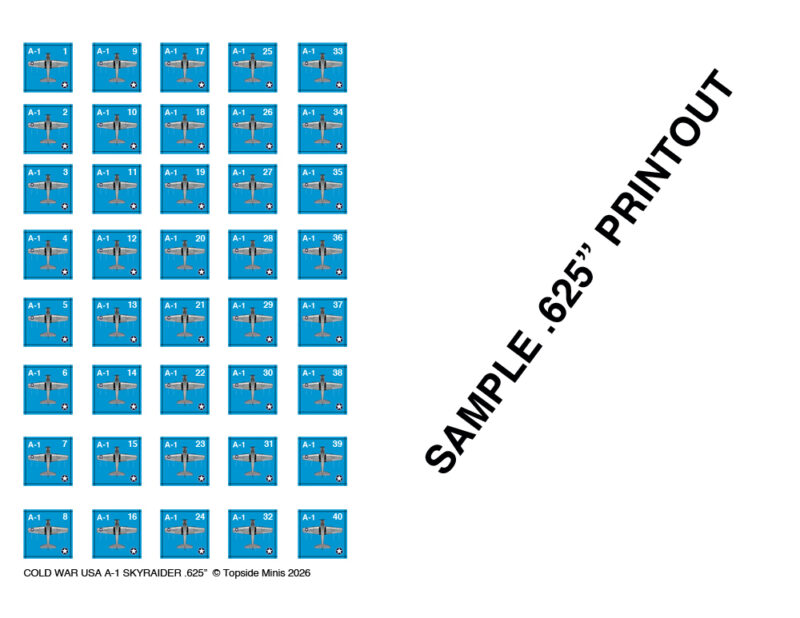
- 40 .625” square counter images
- Numbered Images to assist with game organization and tracking
- Printable PDF format for personal gaming use
Each image size is contained on a ½ sheet.
- Enables users to save paper and print 2 types of aircraft on the same page.
- Print one set of aircraft images then reverse the page in the printer and print a second type of your choice on the same page.
| Weight | N/A |
|---|---|
| Paper Size | A4 210 × 297 mm, Letter 8.5 x 11 |
Related products


Cold War Era
Cold War Aircraft
Cold War Aircraft

Cold War Aircraft
Cold War Aircraft

Cold War Aircraft
Cold War Aircraft
Cold War Aircraft