Su-9 Fishpot – PDF
$1.95
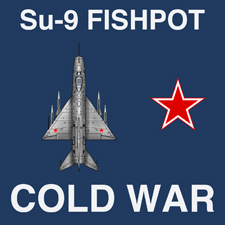
The Sukhoi Su-9 “Fishpot” was a Soviet supersonic interceptor developed during the 1950s to defend Soviet airspace against high-altitude bombers and reconnaissance aircraft. Featuring a distinctive delta wing and powerful turbojet engine, the Su-9 served with the Soviet Air Defense Forces during the height of the Cold War. Although it saw no confirmed combat engagements, the Fishpot played an important role in Soviet air defense operations, including efforts to intercept American reconnaissance aircraft during the U-2 overflights.
| Title | Range | Discount |
|---|---|---|
| Cold War Aircraft - 10% Off | 5 - 9 | 10% |
| Cold War Aircraft - 15% Off | 10 - 19 | 15% |
| Cold War Aircraft - 20% Off | 20 + | 20% |
The Sukhoi Su-9 “Fishpot” was developed during the 1950s as the Soviet Union sought a new generation of high-speed interceptors capable of defending its territory against Western strategic bombers and reconnaissance aircraft. Designed by the Sukhoi bureau, the Su-9 combined a distinctive delta wing, a powerful afterburning turbojet engine, and a streamlined fuselage with a nose-mounted air intake. Its design emphasized rapid climb, supersonic speed, and high-altitude interception, reflecting the growing importance of protecting Soviet airspace against aircraft capable of penetrating deep into the country.
Entering operational service in 1959, the Su-9 became an important interceptor within the Soviet Air Defense Forces (PVO). Unlike the Su-7 fighter-bomber, which was developed from a related Sukhoi design, the Su-9 was intended specifically for air defense rather than ground attack. Equipped with radar and air-to-air missiles, the Fishpot operated as part of the Soviet Union’s extensive network of ground-controlled interceptors, radar stations, and surface-to-air missile defenses. Its primary mission was to intercept hostile bombers and reconnaissance aircraft approaching or entering Soviet airspace.
One of the Su-9’s most notable operational episodes occurred during the 1960 U-2 incident, when American pilot Francis Gary Powers was shot down over the Soviet Union. A Su-9 was scrambled in an attempt to intercept the high-flying reconnaissance aircraft, but the interceptor was not equipped with missiles for the mission and did not successfully engage the target. The U-2 was ultimately destroyed by Soviet surface-to-air missiles. Although the Su-9 did not achieve a confirmed combat victory, the incident demonstrated the urgency of Soviet efforts to counter American high-altitude reconnaissance flights during one of the most tense periods of the Cold War.
The Su-9 served primarily within the Soviet Union and was not widely exported or employed in foreign combat theaters. Its operational career was relatively brief as more capable interceptors, including the Sukhoi Su-11 and Su-15, gradually replaced it during the 1960s and early 1970s. Nevertheless, the NATO-designated “Fishpot” represented an important stage in the development of Soviet supersonic air defense aircraft. Its delta-wing configuration, missile armament, and integration into the Soviet air defense network helped establish the foundation for later generations of specialized Soviet interceptors.
Service Branch: Soviet Air Defense Forces (PVO)
Soviet Service: 1959–1970s
Number Built: Approximately 1,100
What’s Included:
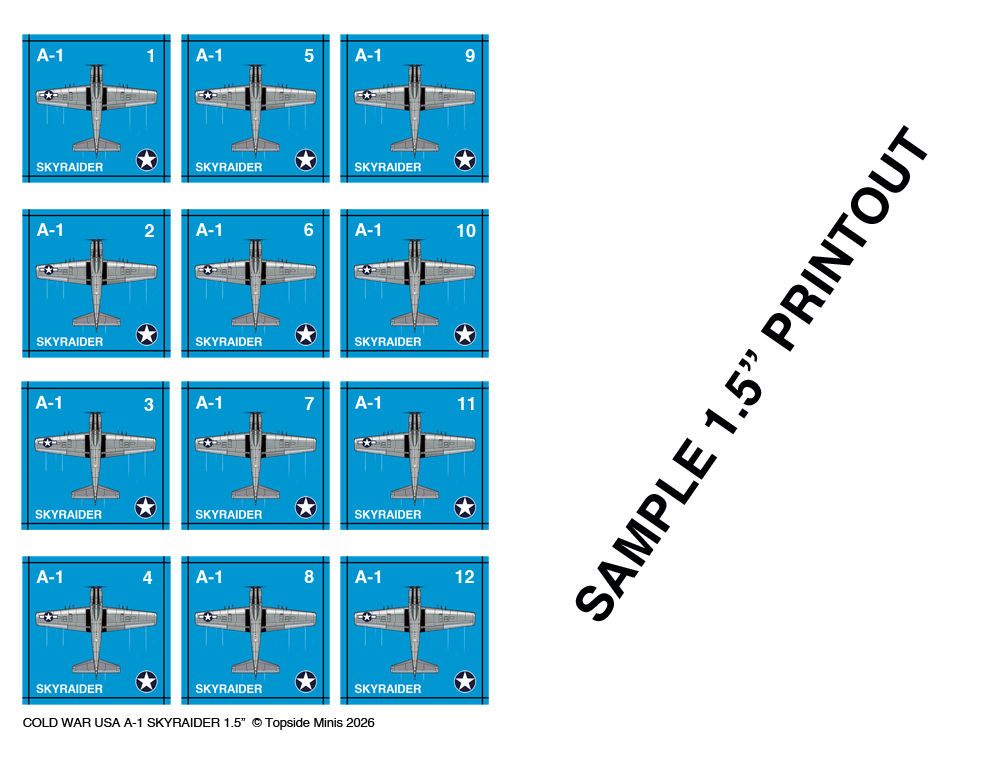
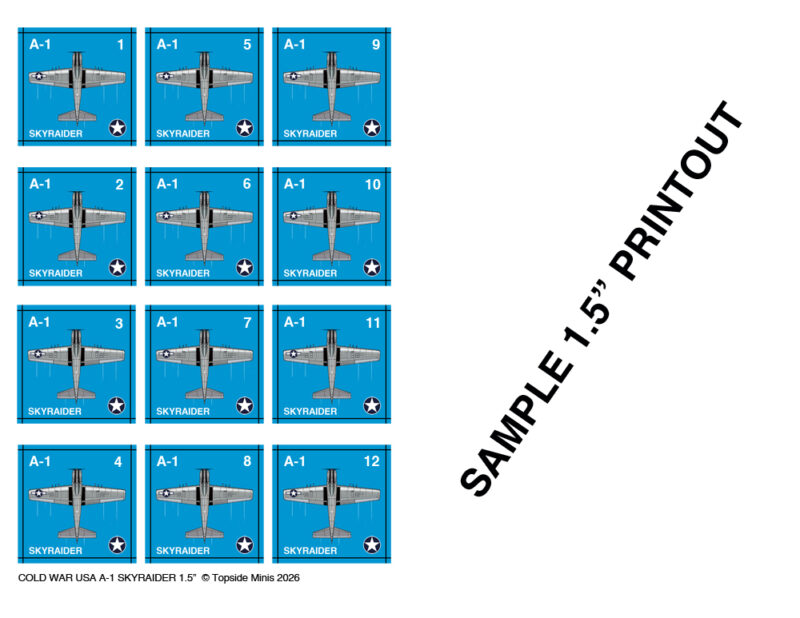
- 12 1.5” square counter images
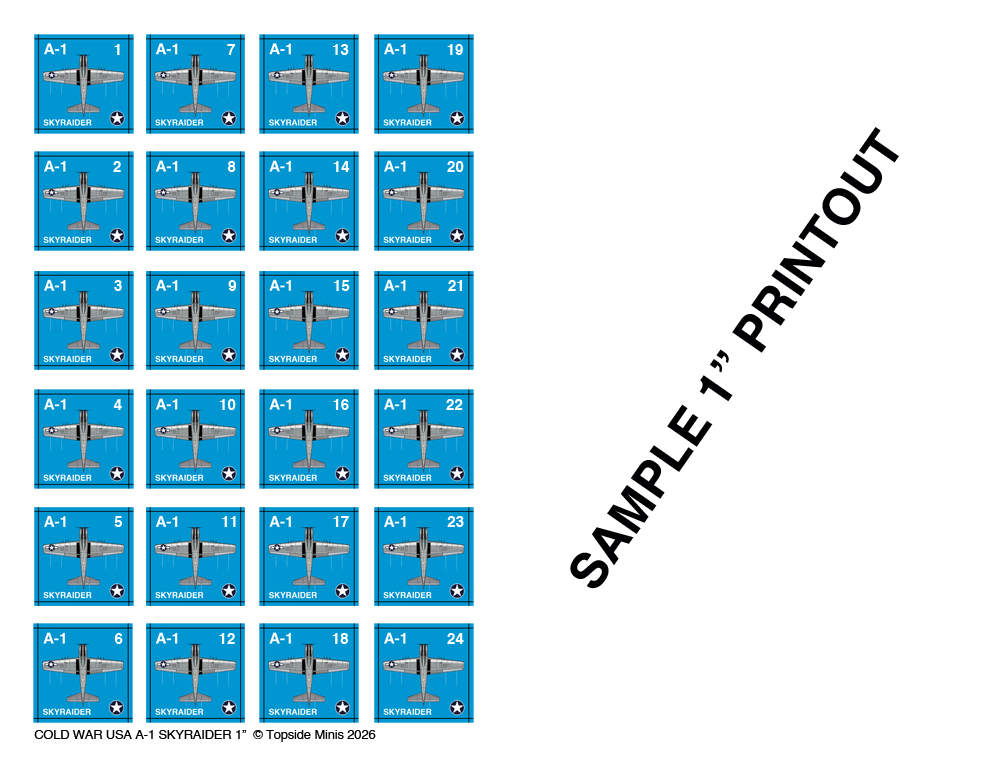
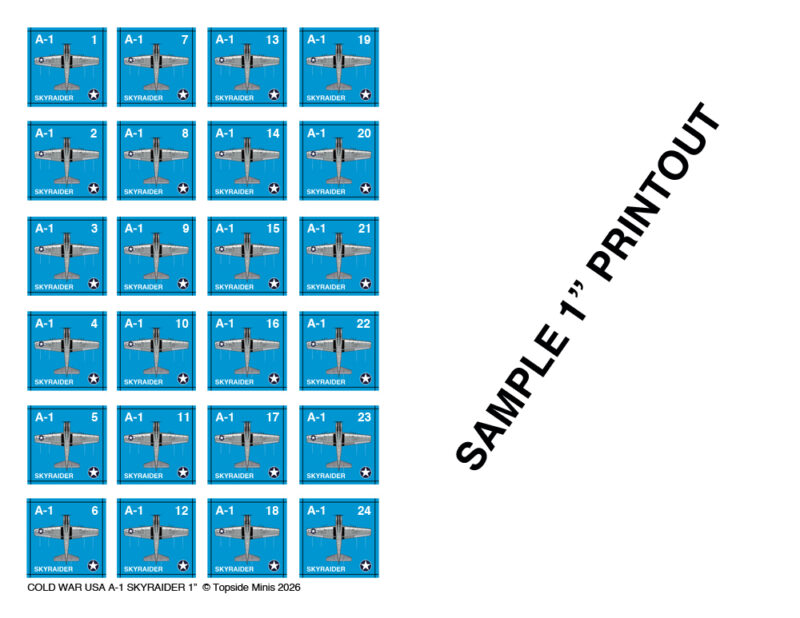
- 24 1” square counter images
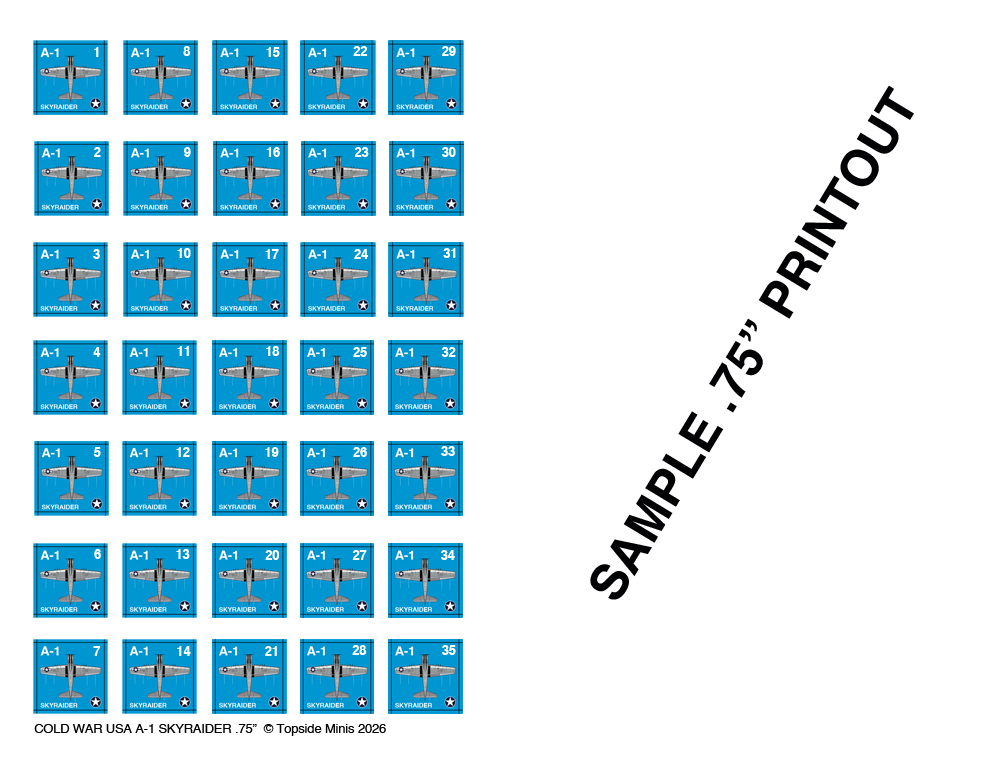
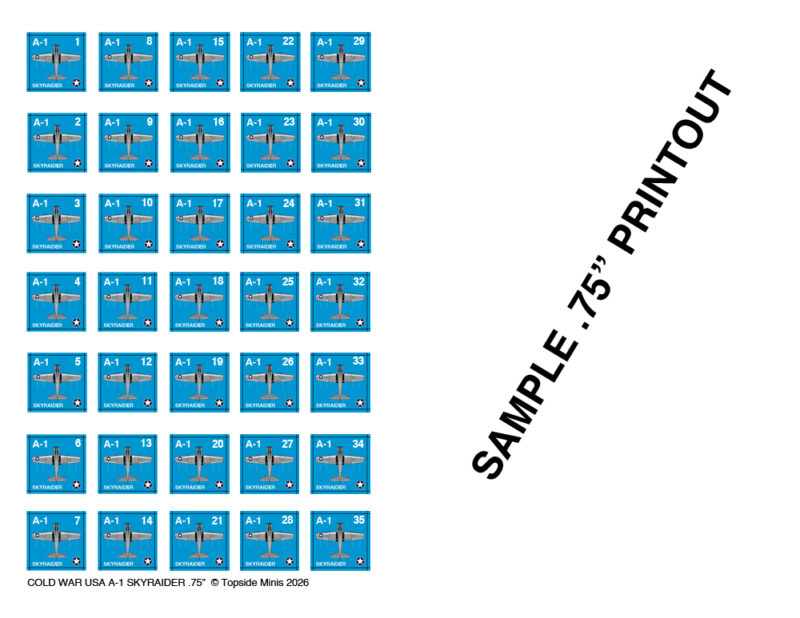
- 35 .75” square counter images
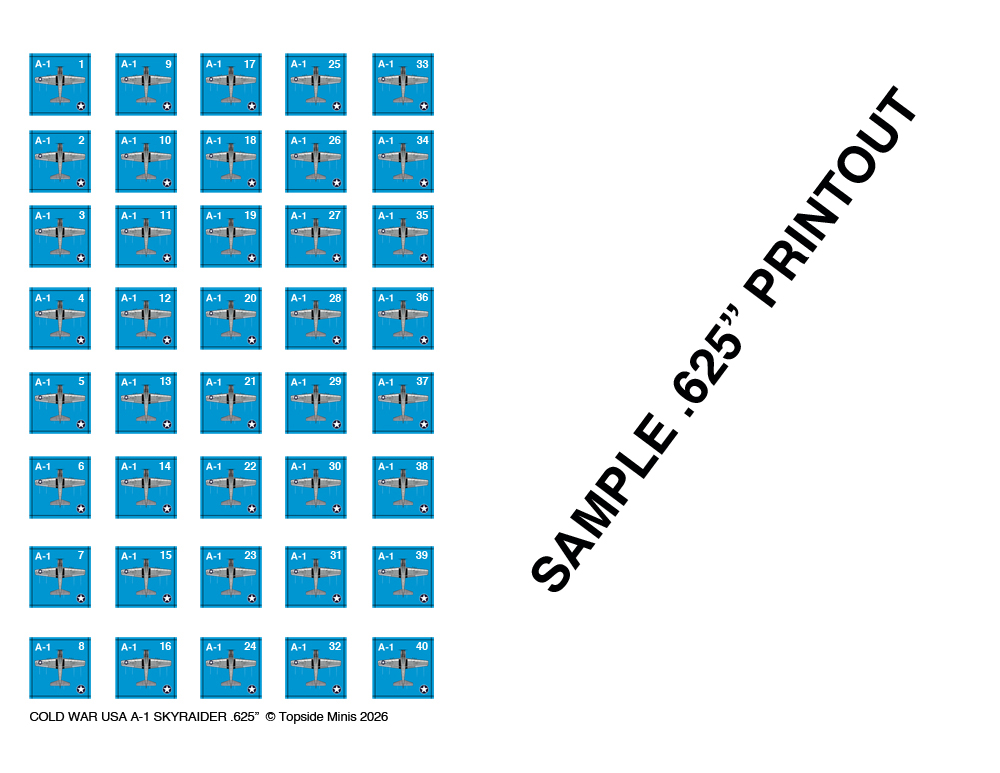
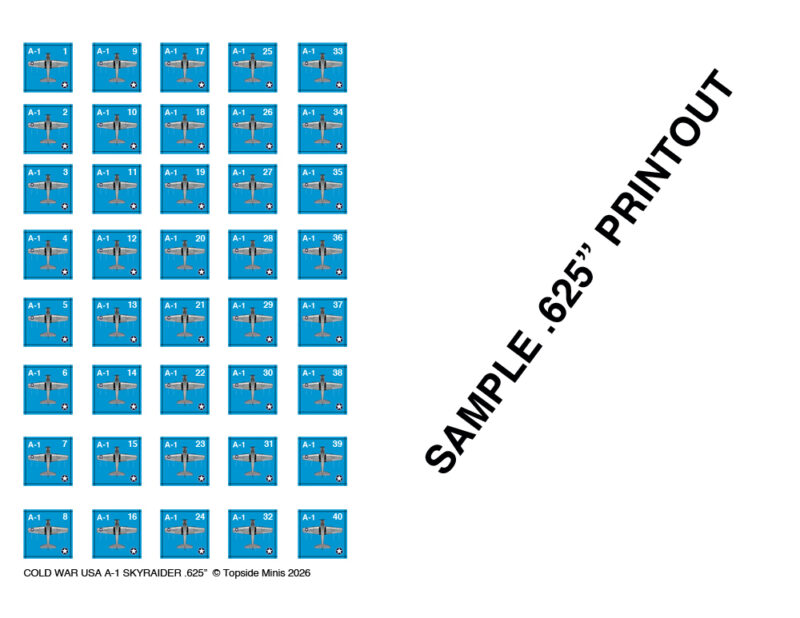
- 40 .625” square counter images
- Numbered Images to assist with game organization and tracking
- Printable PDF format for personal gaming use
Each image size is contained on a ½ sheet.
- Enables users to save paper and print 2 types of aircraft on the same page.
- Print one set of aircraft images then reverse the page in the printer and print a second type of your choice on the same page.
| Weight | N/A |
|---|---|
| Paper Size | A4 210 × 297 mm, Letter 8.5 x 11 |
Related products
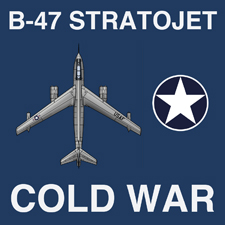
Cold War Aircraft
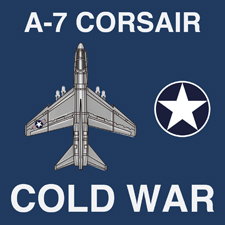
Cold War Aircraft
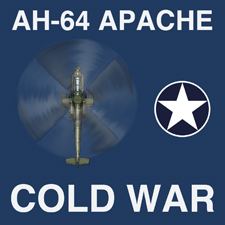
Cold War Aircraft
Cold War Era
Cold War Aircraft

Cold War Aircraft
Cold War Aircraft


Cold War Era