

Tu-142 Bear-F – PDF
$1.95
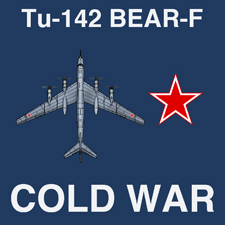
The Tupolev Tu-142 “Bear-F” was a Soviet four-engine, long-range maritime patrol and anti-submarine warfare aircraft developed from the Tu-95 Bear strategic bomber. Entering service in 1972, the Tu-142 was designed to detect, track, and attack enemy submarines across the vast expanses of the Atlantic, Pacific, and Arctic Oceans. Equipped with specialized radar, acoustic detection systems, sonobuoys, and anti-submarine weapons, the Bear-F became an important component of Soviet Naval Aviation. Later variants incorporated improved sensors and communications equipment, allowing the aircraft to remain in Russian service long after the Cold War. The Tu-142 was also exported to India for maritime patrol operations.
| Title | Range | Discount |
|---|---|---|
| Cold War Aircraft - 10% Off | 5 - 9 | 10% |
| Cold War Aircraft - 15% Off | 10 - 19 | 15% |
| Cold War Aircraft - 20% Off | 20 + | 20% |
The Tupolev Tu-142 “Bear-F” was developed during the 1960s as the Soviet Union sought a long-range maritime patrol aircraft capable of detecting and engaging NATO ballistic missile submarines operating throughout the world’s oceans. Based on the successful Tu-95 Bear strategic bomber, the Tu-142 incorporated a modified fuselage, strengthened airframe, specialized maritime surveillance equipment, and an internal weapons bay adapted for anti-submarine warfare. The aircraft retained the Tu-95’s distinctive swept wings and four powerful Kuznetsov NK-12 turboprop engines, each driving contra-rotating propellers. The prototype first flew in June 1968, and the aircraft entered operational service with Soviet Naval Aviation in 1972, becoming one of the world’s largest and longest-ranging anti-submarine patrol aircraft.
The Tu-142 was designed primarily for long-range anti-submarine warfare, maritime reconnaissance, and ocean surveillance. Its extensive range and endurance allowed Soviet crews to patrol large areas of the Atlantic, Pacific, and Arctic Oceans, searching for NATO submarines and monitoring Western naval activity. The aircraft carried specialized search radar, magnetic anomaly detection equipment, acoustic processing systems, and sonobuoys to locate and track submerged targets. Once a submarine was detected, the Tu-142 could employ anti-submarine torpedoes and depth charges carried within its internal weapons bay. The improved Tu-142M “Bear-F Mod 3” introduced more capable sensors and mission systems, significantly improving the aircraft’s ability to detect modern submarines.
Throughout the Cold War, Tu-142 aircraft conducted extensive maritime patrol operations in support of Soviet naval strategy. Their principal mission was to locate and track NATO submarines, particularly American and British nuclear-powered ballistic missile submarines, which represented a major component of Western nuclear deterrence. Soviet Tu-142 crews also monitored naval activity along important maritime approaches and supported operations intended to protect Soviet ballistic missile submarine patrol areas. These missions frequently brought Soviet maritime patrol aircraft into proximity with NATO fighters and surveillance aircraft. Although the Tu-142 was designed to attack submarines during wartime, its operational history was dominated by reconnaissance, tracking, and surveillance missions rather than confirmed combat engagements.
Following the dissolution of the Soviet Union, the Tu-142 continued serving with Russian Naval Aviation, undergoing modernization to improve its sensors, communications, and maritime surveillance capabilities. The aircraft also found an important foreign operator in the Indian Navy, which introduced the Tu-142ME in 1988 for long-range maritime patrol and anti-submarine operations over the Indian Ocean. Indian aircraft remained in service until 2017, when they were replaced by modern maritime patrol aircraft. Russian Tu-142MZ and Tu-142MR variants have continued operating in specialized maritime patrol and communications roles. The Tu-142MR, designated “Bear-J” by NATO, was developed to provide long-range communications with submerged ballistic missile submarines. The NATO-designated “Bear-F” remains an important example of the Soviet Union’s emphasis on long-range maritime aviation and anti-submarine warfare during the Cold War.
Manufacturer: Tupolev Design Bureau
Service Branch: Soviet Naval Aviation; Russian Naval Aviation; Indian Navy
Soviet Service: 1972–1991
Post-Soviet Service: 1991–present (Russia)
Indian Service: 1988–2017
Number Built: Approximately 100 aircraft across the Tu-142 family, including specialized variants
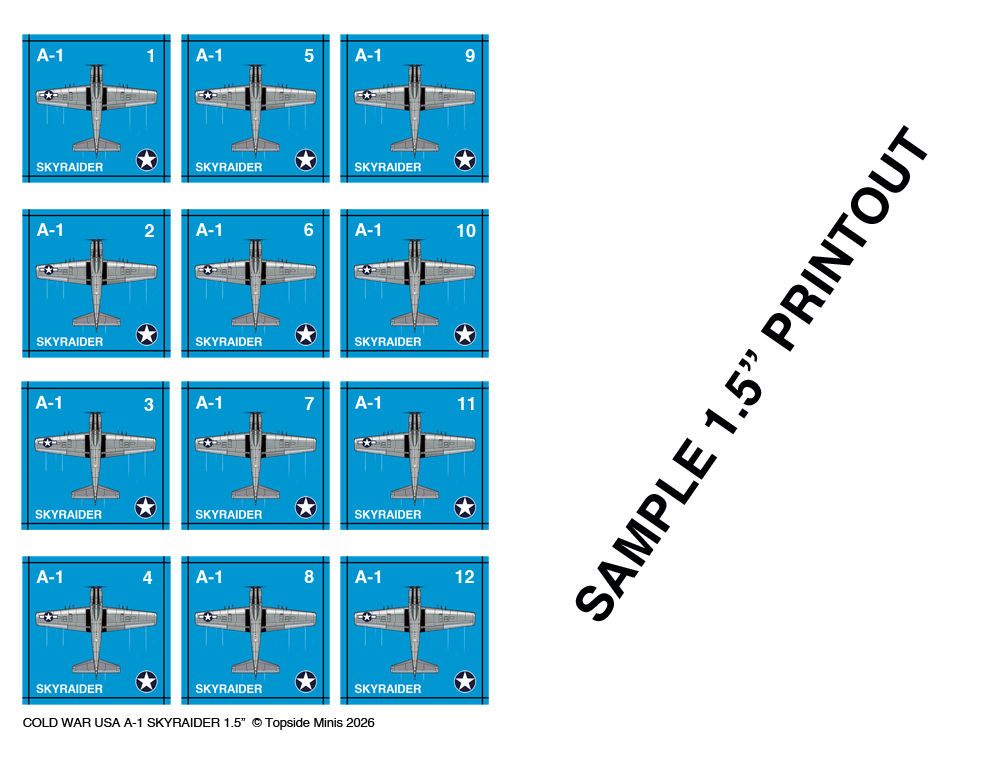
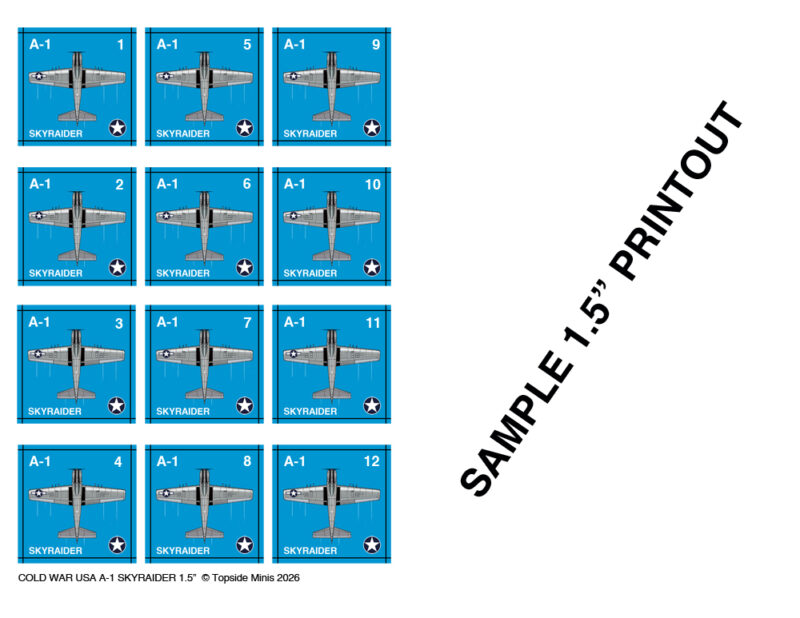
- 12 1.5” square counter images
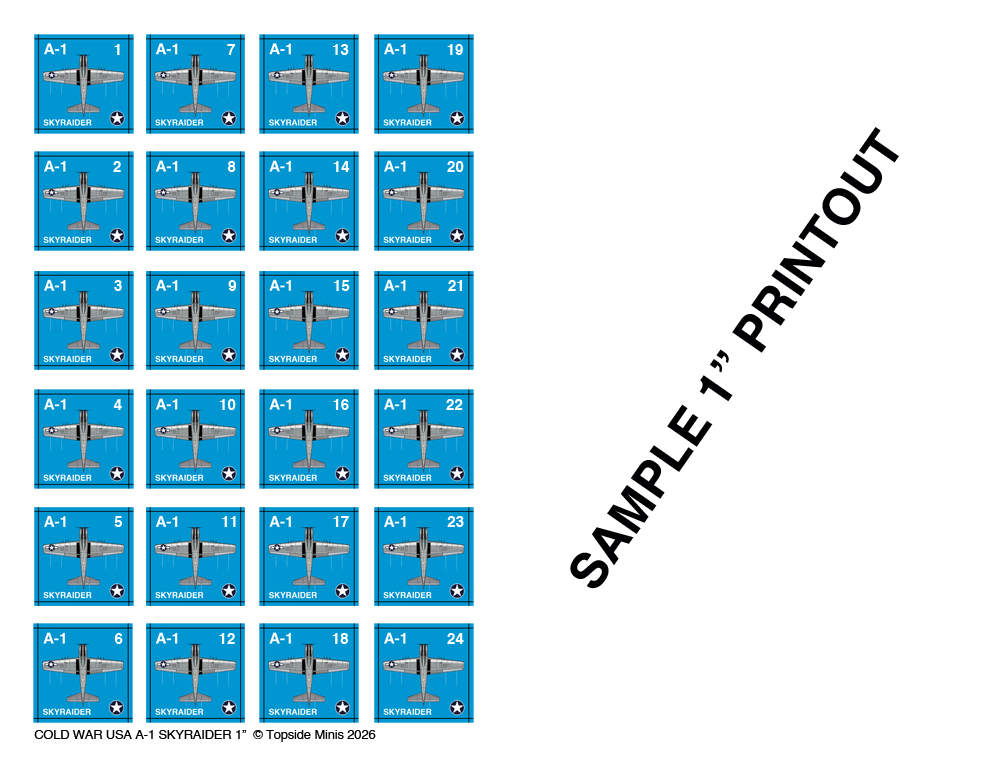
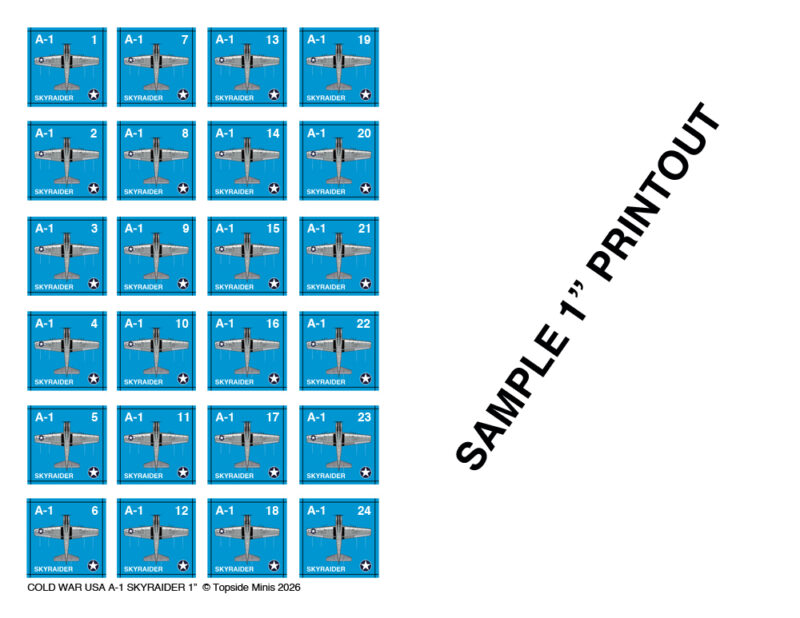
- 24 1” square counter images
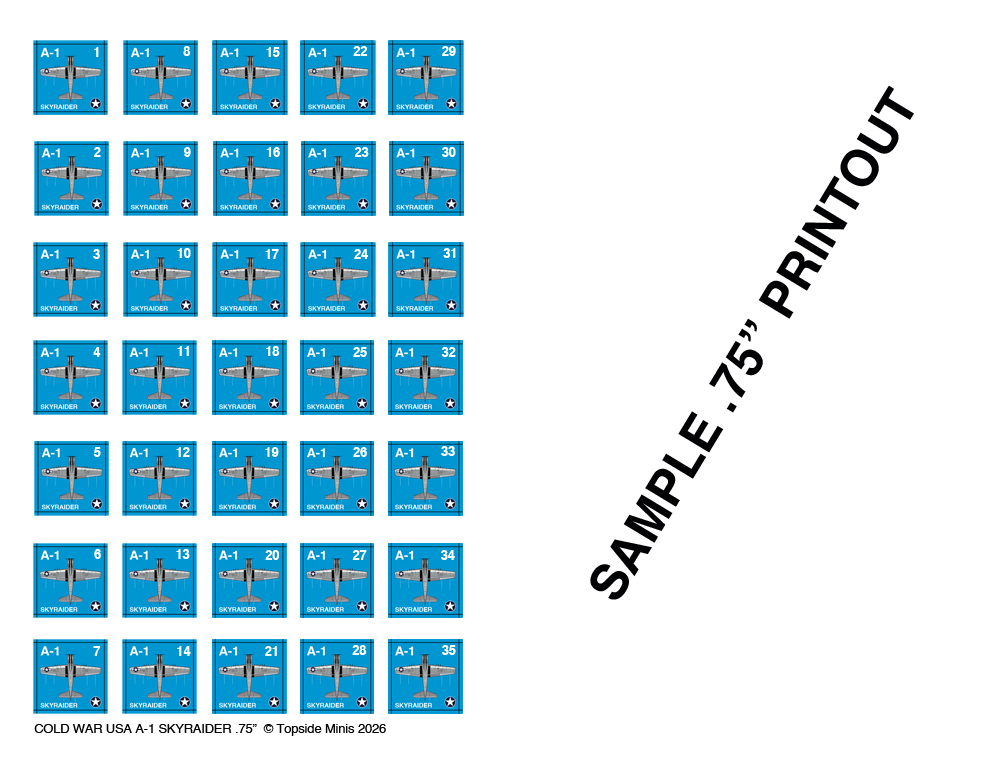
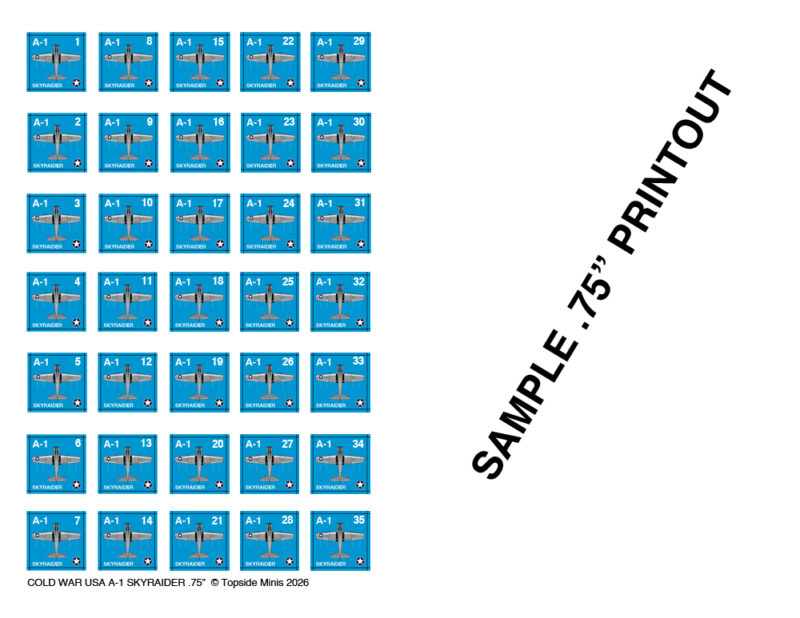
- 35 .75” square counter images
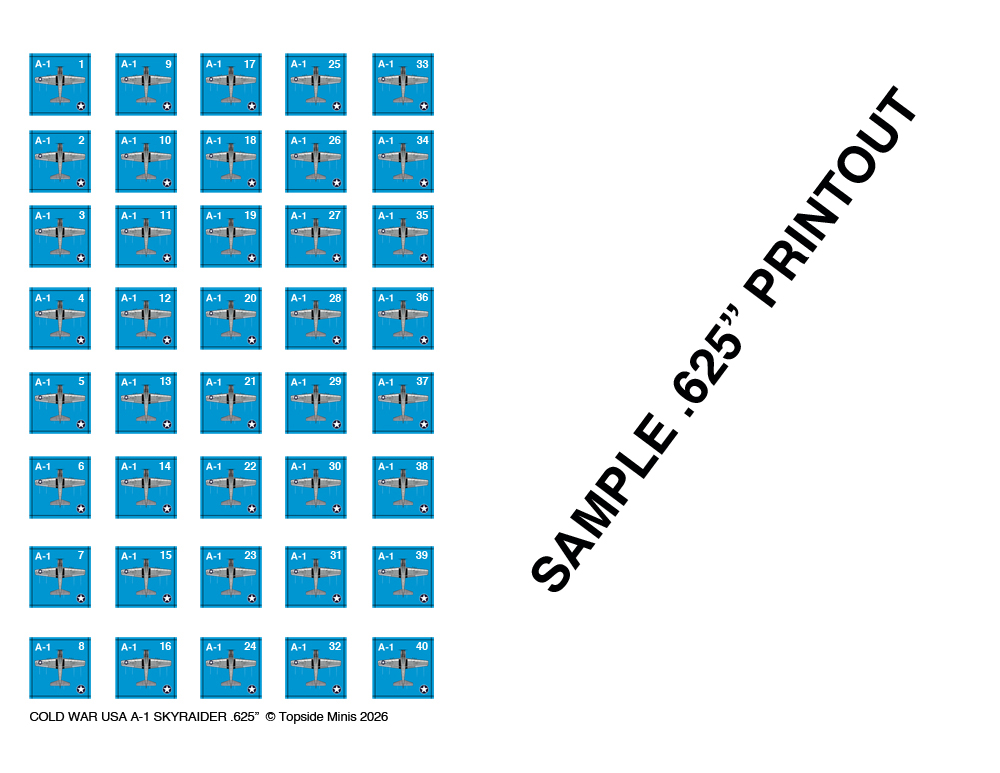
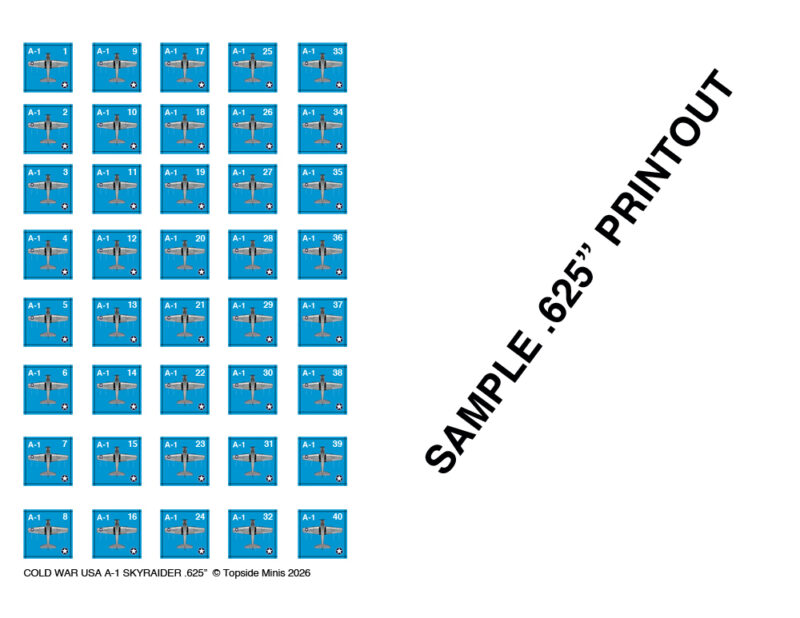
- 40 .625” square counter images
- Numbered Images to assist with game organization and tracking
- Printable PDF format for personal gaming use
Each image size is contained on a ½ sheet.
- Enables users to save paper and print 2 types of aircraft on the same page.
- Print one set of aircraft images then reverse the page in the printer and print a second type of your choice on the same page.
| Weight | N/A |
|---|---|
| Paper Size | A4 210 × 297 mm, Letter 8.5 x 11 |
Related products
Cold War Aircraft
Cold War Aircraft
Cold War Aircraft
Cold War Aircraft

Cold War Aircraft
Cold War Aircraft
Cold War Aircraft

Cold War Aircraft