
Tu-22 Blinder – PDF
$1.95
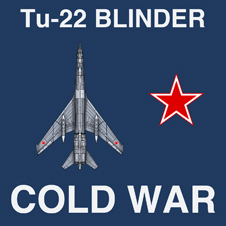
The Tupolev Tu-22 “Blinder” was a Soviet twin-engine supersonic bomber developed during the late 1950s for nuclear and conventional strike missions. Entering service in 1962, the Tu-22 became the Soviet Union’s first operational supersonic bomber and served in bombing, reconnaissance, and electronic warfare roles. Exported to Iraq and Libya, the Blinder participated in several major conflicts, including the Iran-Iraq War, the Uganda-Tanzania War, and the Chadian-Libyan conflict. Distinguished by its fixed swept wings and unusual rear-mounted engines, the Tu-22 remained in service for decades despite its demanding handling characteristics and operational limitations.
| Title | Range | Discount |
|---|---|---|
| Cold War Aircraft - 10% Off | 5 - 9 | 10% |
| Cold War Aircraft - 15% Off | 10 - 19 | 15% |
| Cold War Aircraft - 20% Off | 20 + | 20% |
The Tupolev Tu-22 “Blinder” was developed during the late 1950s as the Soviet Union sought a supersonic replacement for its earlier Tu-16 Badger bomber. Designed by the Tupolev bureau, the aircraft featured sharply swept wings, a long streamlined fuselage, and two powerful turbojet engines mounted above the rear fuselage on either side of the vertical tail. This unusual arrangement gave the Tu-22 a distinctive appearance and separated it visually from other Soviet bombers of the period. The prototype first flew in June 1958, and the aircraft entered operational service in 1962, becoming the Soviet Union’s first production supersonic bomber.
The Tu-22 was developed for conventional and nuclear bombing, long-range reconnaissance, and electronic warfare missions. The Tu-22B bomber was produced in limited numbers, while the Tu-22R reconnaissance aircraft and Tu-22K missile-carrying bomber became important operational variants. The Tu-22K was equipped to carry the powerful Kh-22 air-to-surface missile, providing a long-range strike capability against major naval and land targets. However, the Blinder proved difficult to operate, with high takeoff and landing speeds, demanding handling characteristics, and relatively limited range compared with its original design objectives. Its unusual crew arrangement and downward-firing ejection seats also contributed to its reputation as a challenging aircraft for Soviet aircrews.
The Tu-22 experienced considerable combat service with Iraqi and Libyan air forces. During the Iran-Iraq War (1980–1988), Iraqi Blinders conducted long-range bombing missions against Iranian cities, military installations, airfields, and economic targets. These operations demonstrated the aircraft’s ability to deliver substantial conventional bomb loads, although Iraqi Tu-22s suffered losses to Iranian fighters and air defenses. Libyan Tu-22 bombers also participated in African conflicts, including bombing operations during the Uganda-Tanzania War (1978–1979) and the Chadian-Libyan conflict. In February 1986, a Libyan Tu-22 attacked the airport at N’Djamena, Chad, illustrating the aircraft’s use in long-distance strike operations. Libyan Blinders continued to operate during the 1980s, although their combat effectiveness was limited by maintenance difficulties and increasingly capable opposing air defenses.
Within the Soviet Union, the Tu-22 served primarily with Long-Range Aviation in reconnaissance, missile-carrying, and electronic warfare roles. Specialized Tu-22PD electronic warfare aircraft supported Soviet bombing operations during the Soviet-Afghan War, providing electronic countermeasures rather than conducting conventional bombing missions themselves. The aircraft was gradually replaced by more capable designs, particularly the variable-sweep-wing Tu-22M Backfire, which offered substantially improved performance and operational flexibility. Soviet Tu-22 operations continued into the early 1990s, while surviving export aircraft remained in service for varying periods. Despite its operational shortcomings, the NATO-designated “Blinder” represented an important step in the development of Soviet supersonic bombers and remains notable for its distinctive configuration and extensive combat history outside the Soviet Union.
Manufacturer: Tupolev Design Bureau
Service Branch: Soviet Air Forces (Long-Range Aviation); Iraqi Air Force; Libyan Arab Republic Air Force
Soviet Service: 1962–early 1990s
Foreign Service: 1970s–1990s (Iraq and Libya)
Number Built: Approximately 311 aircraft across all Tu-22 variants
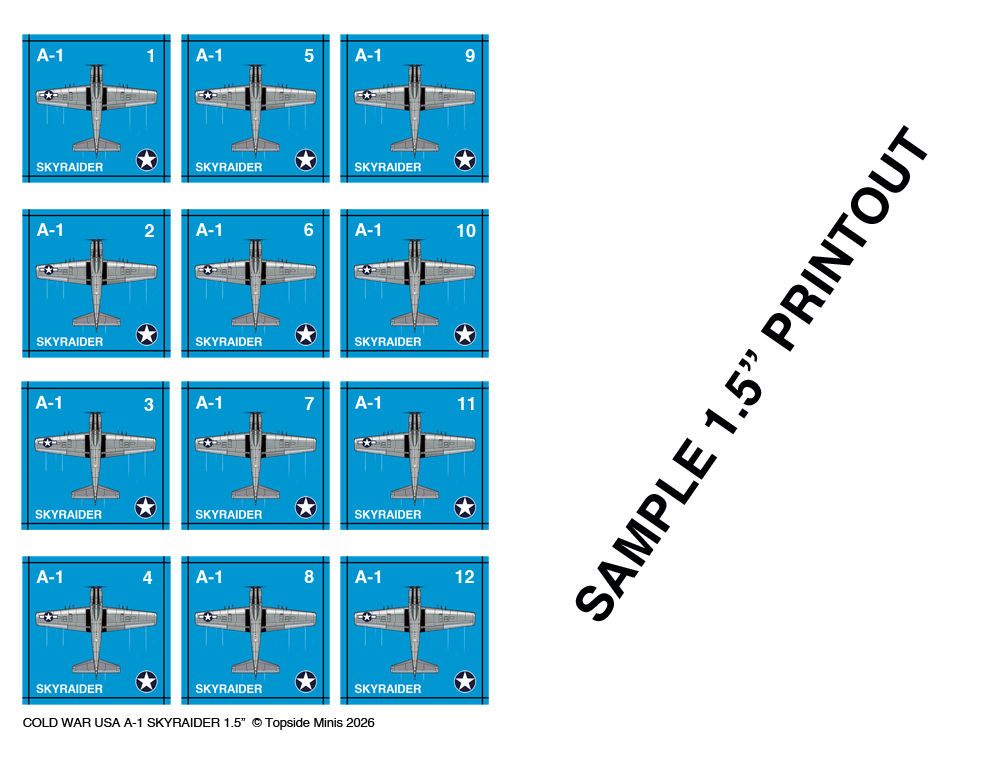
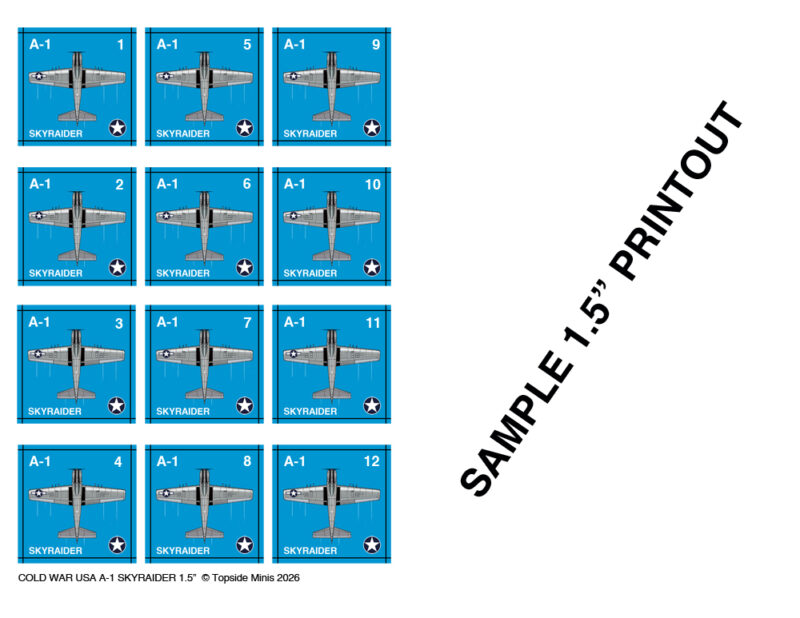
- 12 1.5” square counter images
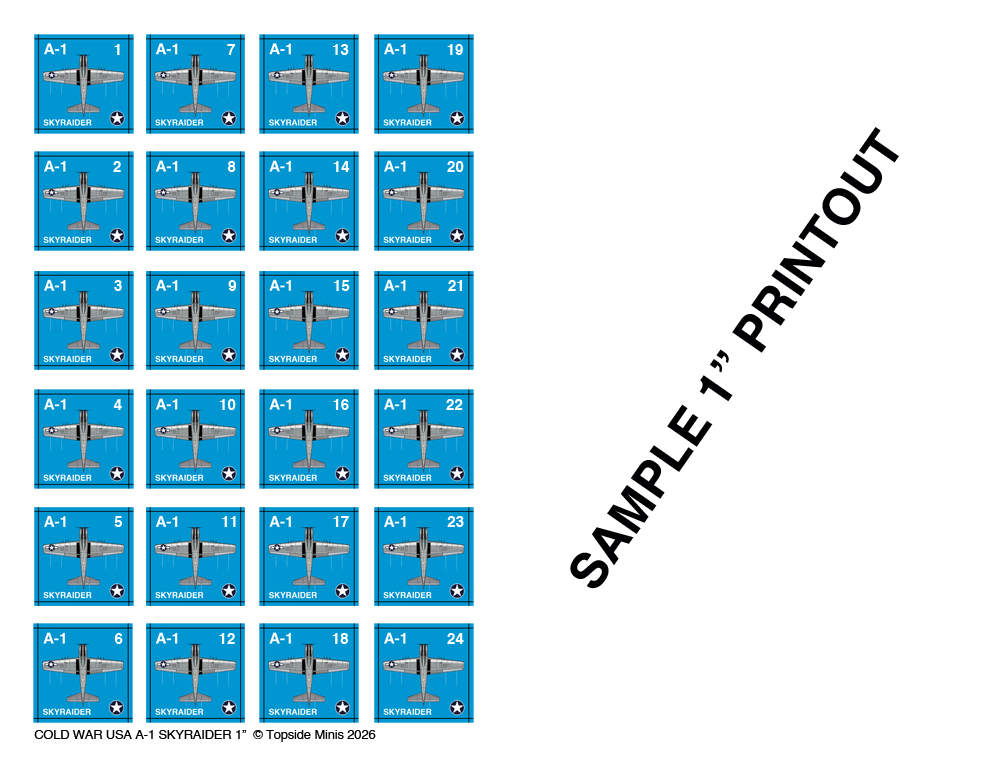
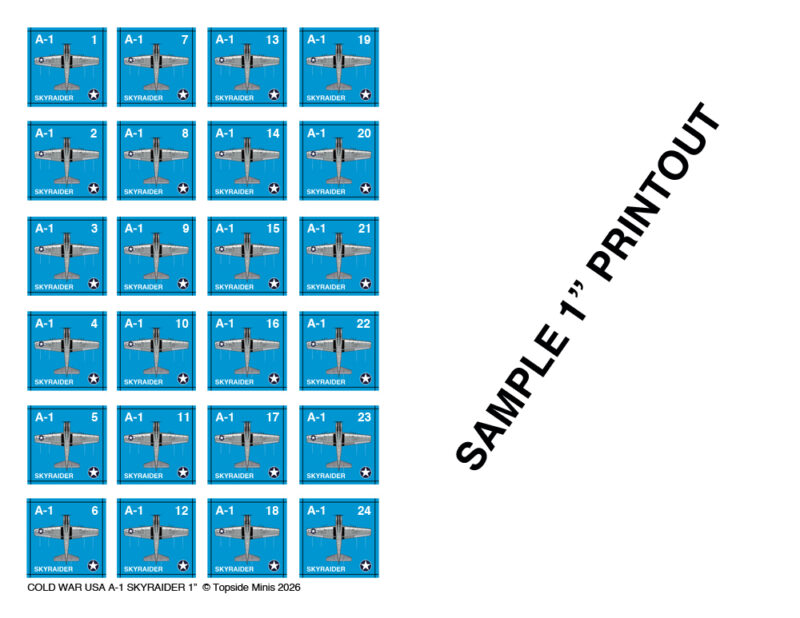
- 24 1” square counter images
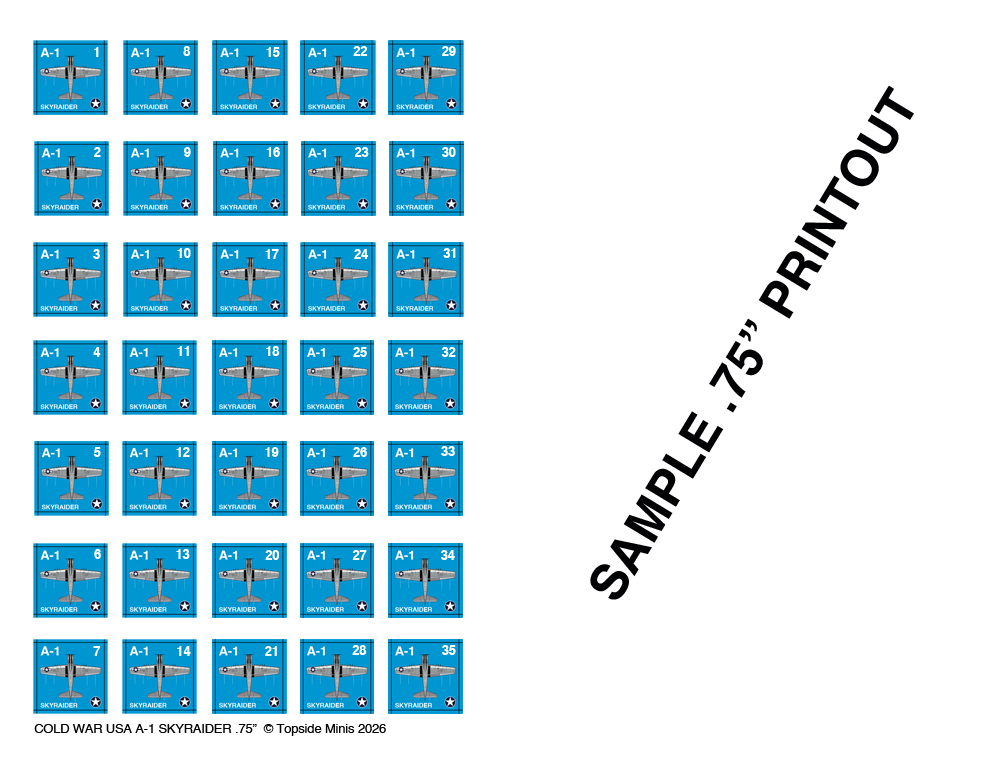
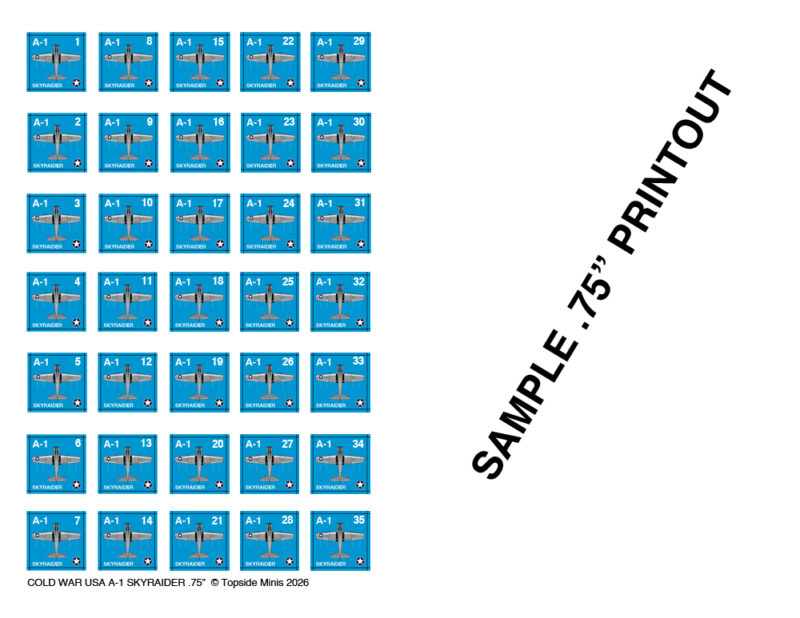
- 35 .75” square counter images
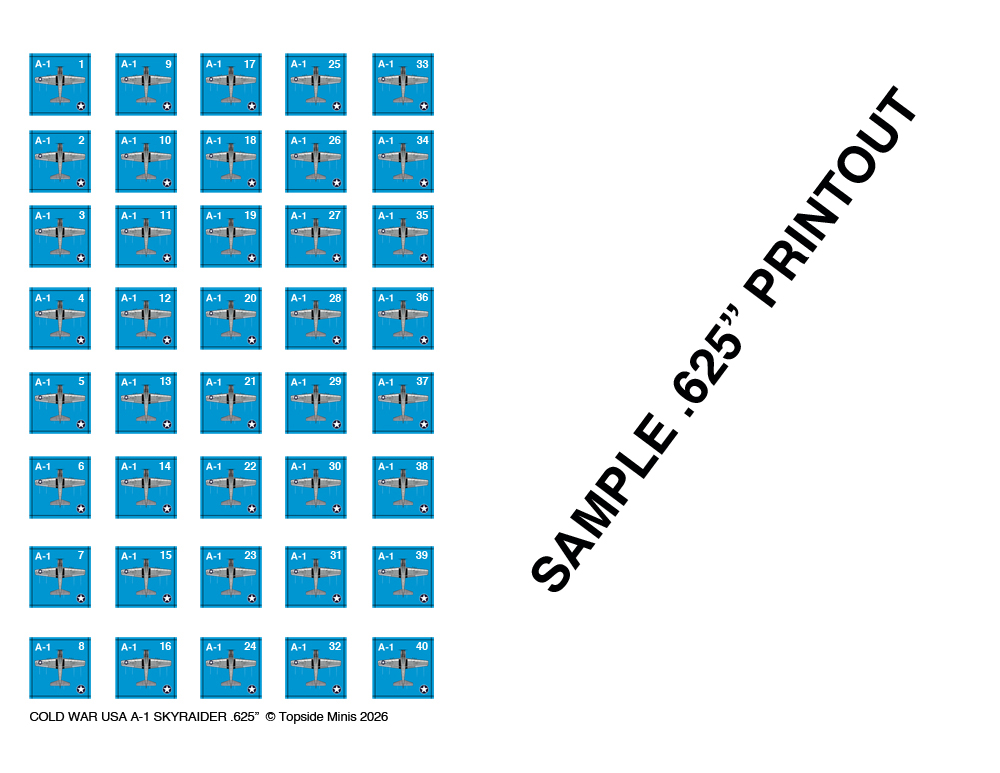
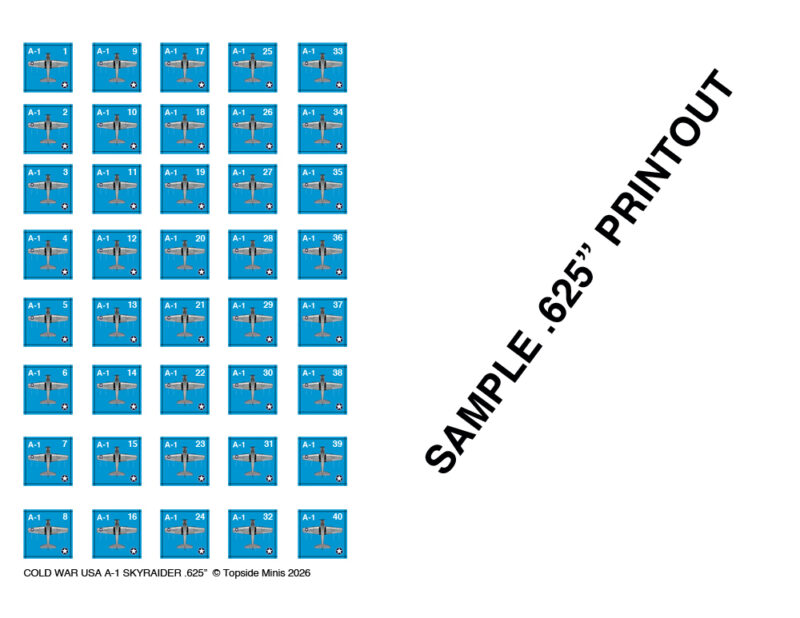
- 40 .625” square counter images
- Numbered Images to assist with game organization and tracking
- Printable PDF format for personal gaming use
Each image size is contained on a ½ sheet.
- Enables users to save paper and print 2 types of aircraft on the same page.
- Print one set of aircraft images then reverse the page in the printer and print a second type of your choice on the same page.
| Weight | N/A |
|---|---|
| Paper Size | A4 210 × 297 mm, Letter 8.5 x 11 |
Related products

Cold War Era
Cold War Aircraft

Cold War Aircraft
Cold War Aircraft
Cold War Aircraft
Cold War Aircraft
Cold War Aircraft
Cold War Aircraft