Yak-9 Frank – PDF
$2.45
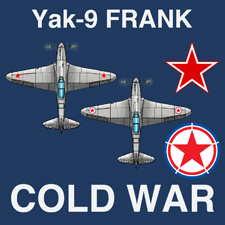
The Yakovlev Yak-9 “Frank” was a Soviet single-engine fighter aircraft developed during World War II and retained in service during the early Cold War. Entering service in 1942, the Yak-9 became one of the Soviet Union’s most widely produced fighters, serving in air superiority, bomber interception, ground attack, and reconnaissance roles. Improved postwar versions, particularly the all-metal Yak-9P, equipped Soviet-aligned air forces and participated in the Korean War (1950–1953) with the North Korean Air Force. Although increasingly outclassed by modern jet fighters, the Yak-9 remained an important transitional aircraft during the early Cold War.
| Title | Range | Discount |
|---|---|---|
| Cold War Aircraft - 10% Off | 5 - 9 | 10% |
| Cold War Aircraft - 15% Off | 10 - 19 | 15% |
| Cold War Aircraft - 20% Off | 20 + | 20% |
The Yakovlev Yak-9 “Frank” was developed by the Yakovlev Design Bureau during World War II as an improved successor to the Yak-7 fighter. First flown in 1942, the Yak-9 incorporated a lightweight airframe, improved construction techniques, and a powerful Klimov liquid-cooled piston engine. Its relatively simple design, good maneuverability, and adaptability made it particularly suitable for the demanding conditions of the Eastern Front. Entering operational service in October 1942, the Yak-9 quickly became one of the Soviet Air Forces’ principal fighters and was produced in numerous specialized variants. With more than 16,000 aircraft manufactured during and immediately after World War II, the Yak-9 became one of the most extensively produced Soviet fighter aircraft in history.
During World War II, the Yak-9 participated in virtually every major Soviet air campaign from late 1942 onward, including the Battle of Stalingrad, Battle of Kursk, and the Soviet advance into Eastern Europe and Germany. Its principal missions included air superiority, bomber escort, interception, and ground attack. Specialized versions expanded the aircraft’s capabilities, including the Yak-9T armed with a 37 mm cannon, the Yak-9K equipped with a 45 mm cannon, and the long-range Yak-9D and Yak-9DD variants. The improved Yak-9U introduced aerodynamic refinements and a more powerful engine, while the postwar Yak-9P incorporated extensive all-metal construction and updated equipment. These developments allowed the Yak-9 family to remain operational beyond the end of World War II.
Following the war, the Yak-9 continued serving with the Soviet Air Forces and several Soviet-aligned nations, including North Korea, Poland, and other Eastern European operators. The postwar Yak-9P became particularly significant during the Korean War (1950–1953), when the North Korean Air Force employed Yak-9 fighters during the opening stages of the conflict. North Korean Yak-9s engaged United Nations aircraft and attacked ground targets, although they suffered heavy losses as American and allied air forces established air superiority. On June 27, 1950, American F-82 Twin Mustang fighters engaged North Korean aircraft near Seoul, with a Yak-9 among the aircraft credited as destroyed during these early air battles. The Korean War demonstrated both the continuing usefulness and growing limitations of piston-engine fighters in an era increasingly dominated by jet aircraft.
By the early 1950s, the Yak-9 was being replaced in Soviet service by more advanced fighters, particularly the MiG-15 jet fighter. Nevertheless, the Yak-9P remained in service with several foreign air forces during the early Cold War, providing an economical and familiar aircraft for nations transitioning to modern jet aviation. Its combination of wartime combat experience, extensive production, and postwar service made the Yak-9 one of the most historically significant Soviet fighter families. The NATO reporting name “Frank” identifies the Yak-9 in early Cold War recognition terminology, while its operational legacy spans both the final years of World War II and the opening years of the jet age.
Manufacturer: Yakovlev Design Bureau
Service Branch: Soviet Air Forces; North Korean Air Force; Polish Air Force; other Soviet-aligned air forces
Soviet Service: 1942–early 1950s
Foreign Service: Late 1940s–1950s
Number Built: Approximately 16,769 aircraft across the Yak-9 family
What’s included for both versions:
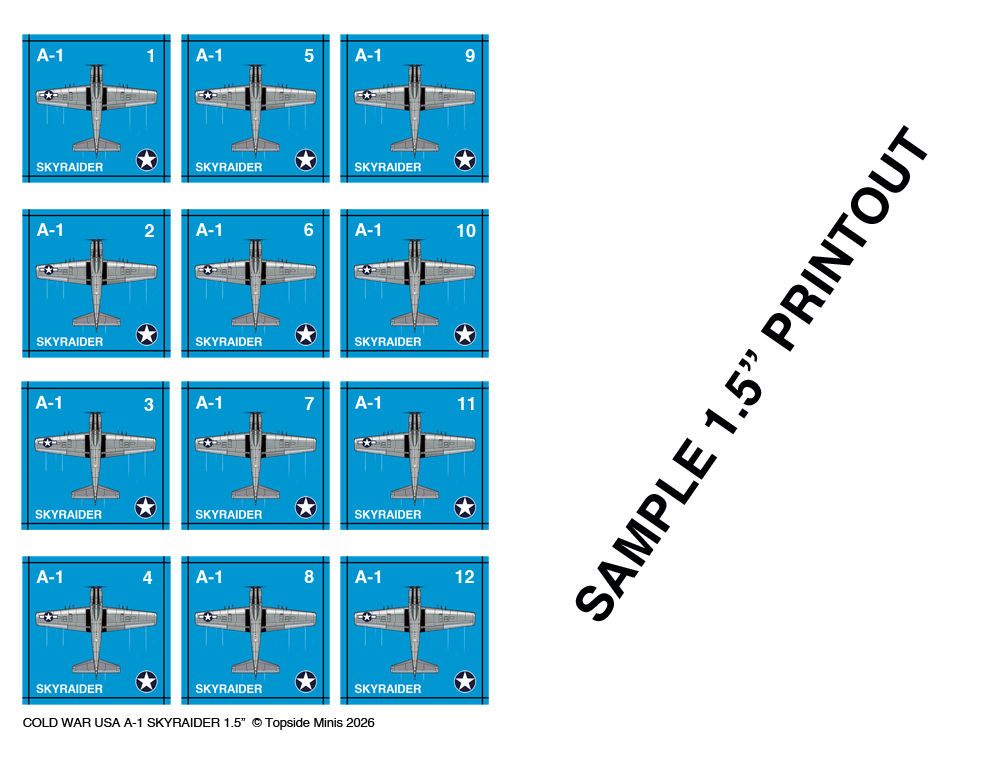
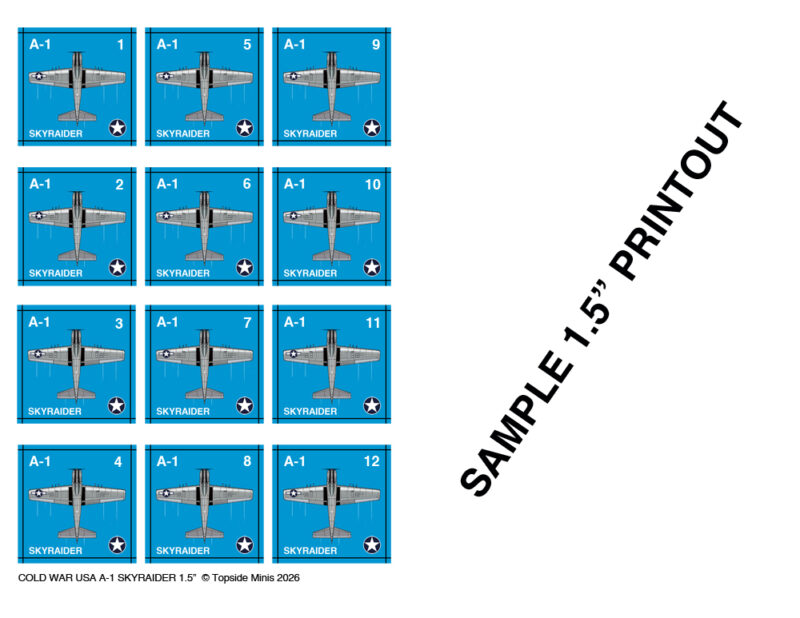
- 12 1.5” square counter images
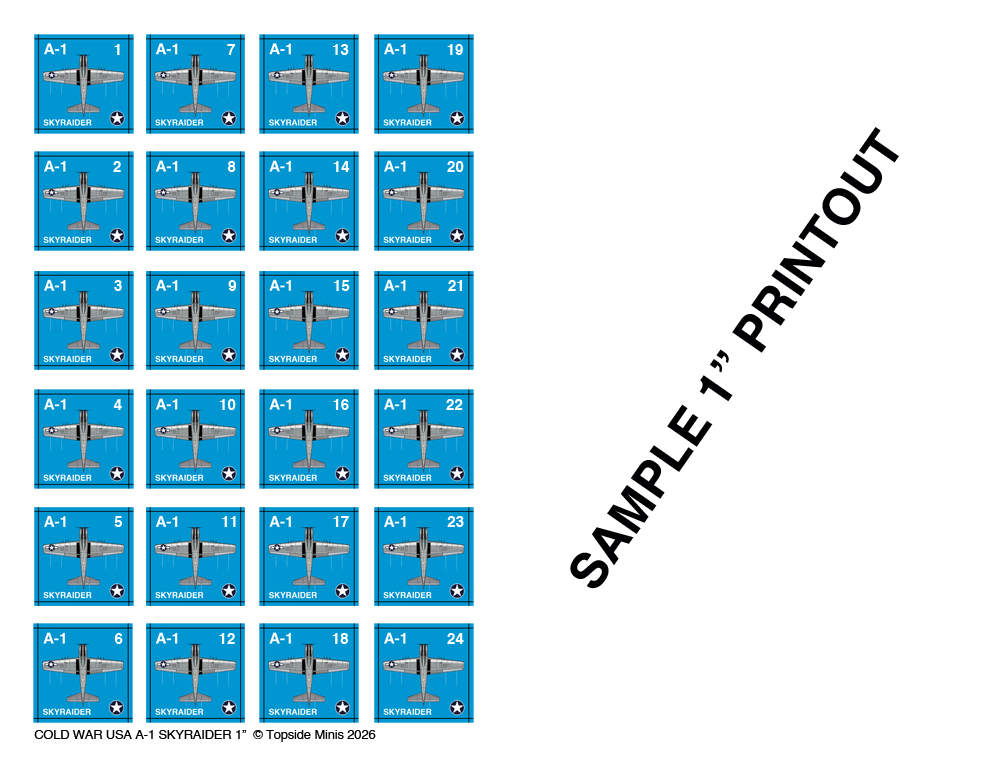
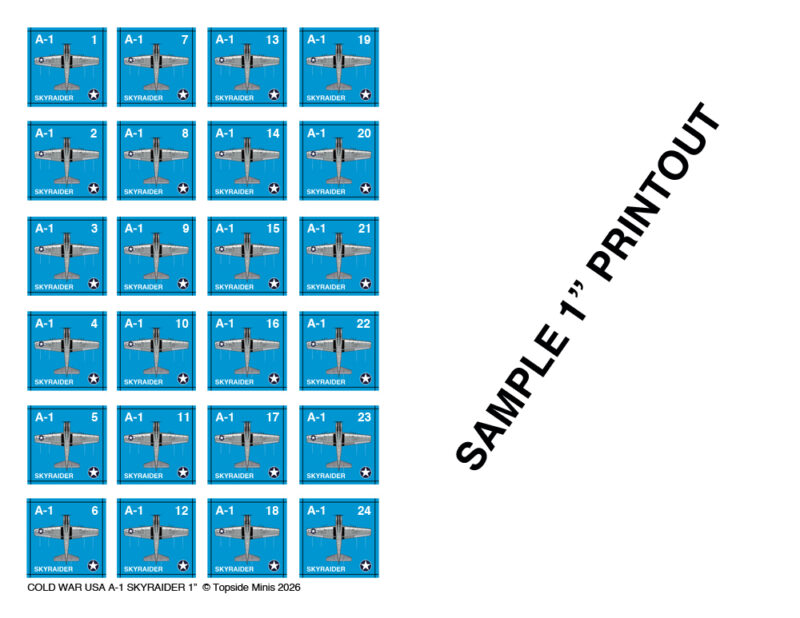
- 24 1” square counter images
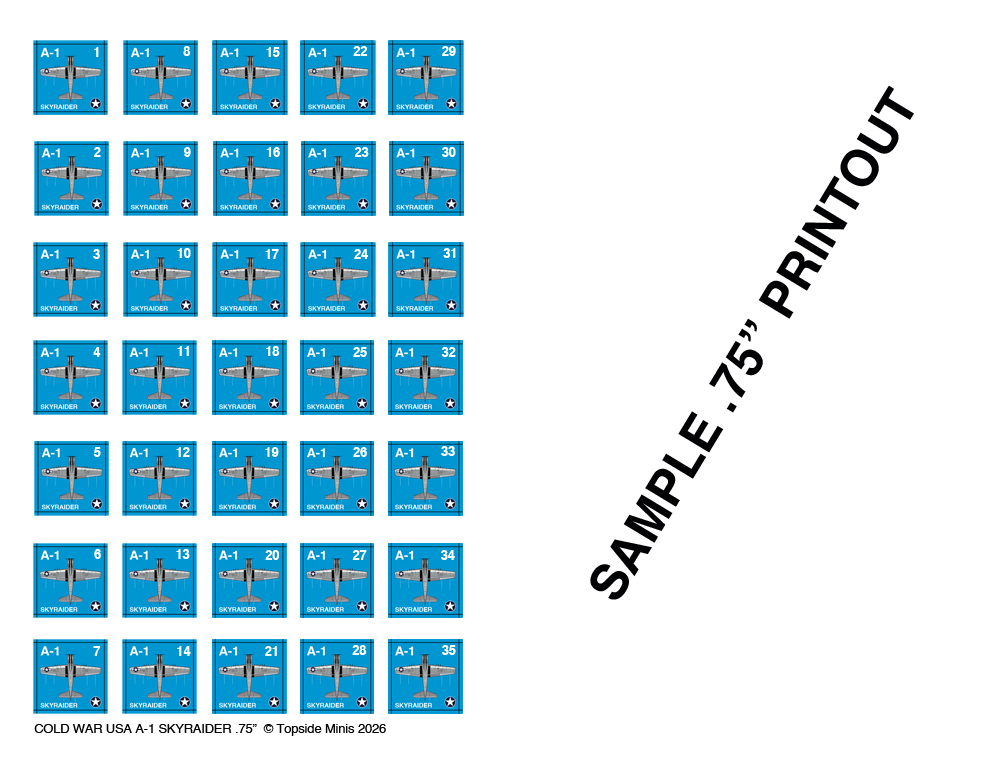
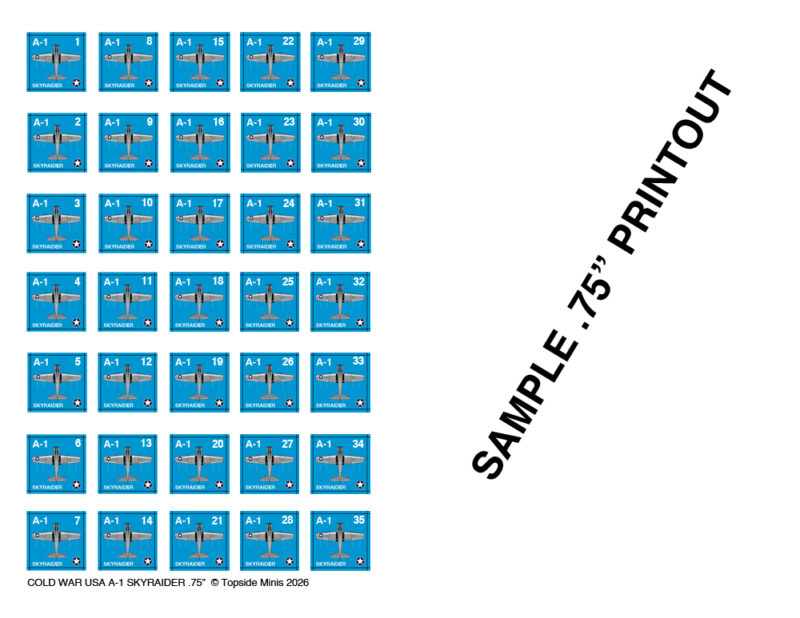
- 35 .75” square counter images
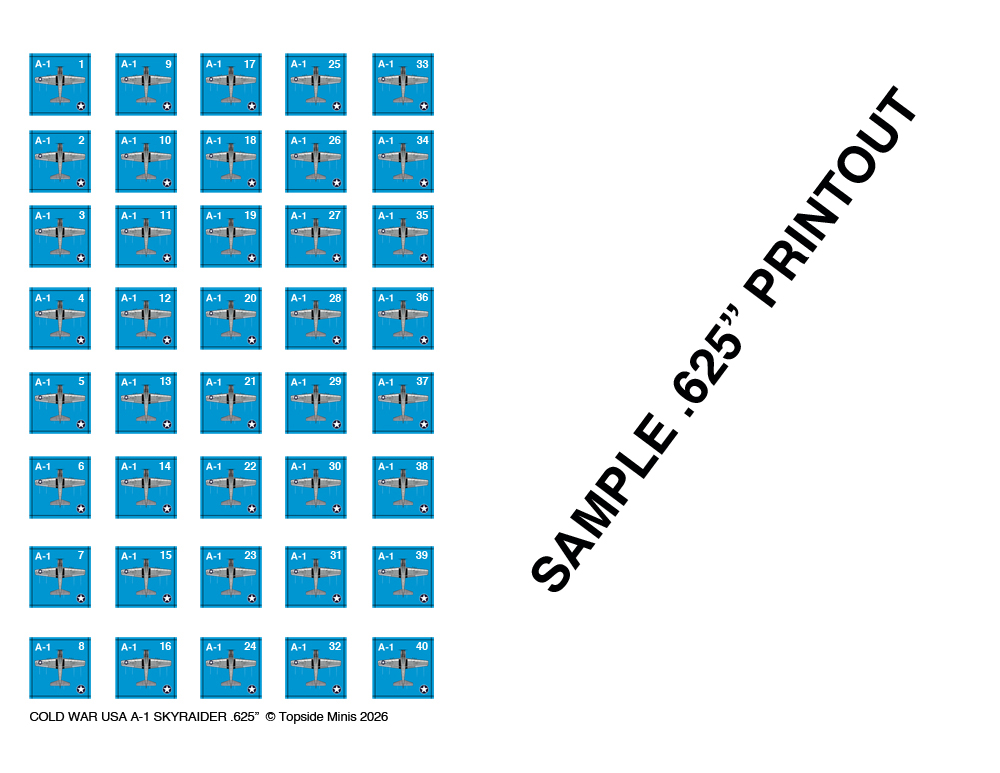
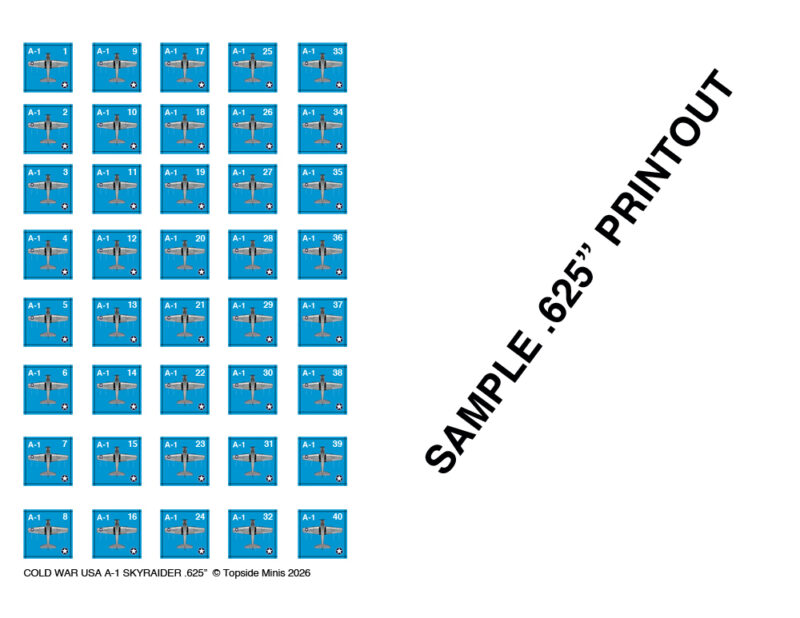
- 40 .625” square counter images
- Numbered Images to assist with game organization and tracking
- Printable PDF format for personal gaming use
Each image size is contained on a ½ sheet.
- Enables users to save paper and print 2 types of aircraft on the same page.
- Print one set of aircraft images then reverse the page in the printer and print a second type of your choice on the same page.
| Weight | N/A |
|---|---|
| Paper Size | A4 210 × 297 mm, Letter 8.5 x 11 |
Related products
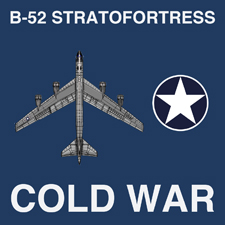
Cold War Aircraft
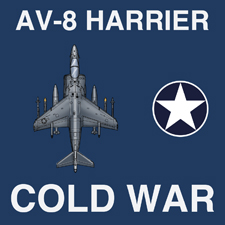
Cold War Aircraft
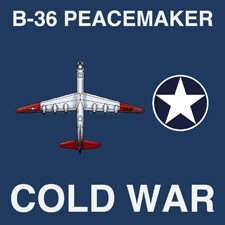
Cold War Aircraft
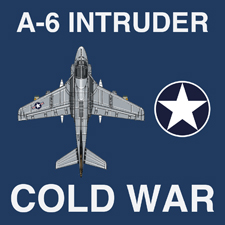
Cold War Aircraft

Cold War Aircraft
Cold War Aircraft
Cold War Aircraft
Cold War Aircraft