Su-11 Fishpot C – PDF
$1.95
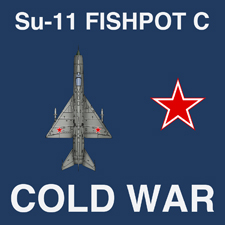
The Sukhoi Su-11 “Fishpot-C” was a Soviet supersonic interceptor developed as an improved successor to the Su-9 Fishpot. Featuring a distinctive delta wing, upgraded radar, and more capable air-to-air missiles, the Su-11 was designed to intercept high-altitude bombers and reconnaissance aircraft threatening Soviet airspace. Entering service during the early 1960s, the Fishpot-C operated with the Soviet Air Defense Forces during the Cold War, although it saw no confirmed combat engagements.
| Title | Range | Discount |
|---|---|---|
| Cold War Aircraft - 10% Off | 5 - 9 | 10% |
| Cold War Aircraft - 15% Off | 10 - 19 | 15% |
| Cold War Aircraft - 20% Off | 20 + | 20% |
The Sukhoi Su-11 “Fishpot-C” was developed during the late 1950s as an improved version of the Su-9 interceptor. Although the earlier Su-9 provided the Soviet Union with a high-speed, missile-armed air defense aircraft, its radar and weapons systems imposed significant limitations on interception capability. The Sukhoi design bureau sought to address these shortcomings by introducing a more powerful engine, improved radar equipment, and a new missile system while retaining the basic delta-wing configuration of its predecessor. The resulting Su-11 offered improved performance against high-altitude bombers and reconnaissance aircraft.
Entering operational service in 1964, the Su-11 served with the Soviet Air Defense Forces (PVO), which were responsible for protecting Soviet territory against hostile aircraft. Like the Su-9, the Fishpot-C operated within an extensive network of ground-based radar stations, ground-controlled interception systems, and surface-to-air missile defenses. Its principal mission was to intercept Western strategic bombers and reconnaissance aircraft approaching or penetrating Soviet airspace. The Su-11 incorporated an improved radar system and carried more capable R-98 air-to-air missiles, including radar-guided and infrared-guided versions, providing greater flexibility than the earlier Su-9.
The Su-11 entered service during a period of intense Cold War confrontation, when the Soviet Union remained concerned about American strategic bombers and high-altitude reconnaissance aircraft. Its operational role centered on defending Soviet airspace rather than participating in overseas military campaigns. Unlike Soviet fighters exported to Warsaw Pact and allied nations, the Su-11 remained almost exclusively a domestic air defense aircraft. Although it was maintained on interception alert during its service career, there are no widely documented confirmed combat victories or significant combat engagements involving the type.
Production of the Su-11 was limited as the Soviet Union shifted toward more advanced interceptor designs, particularly the Sukhoi Su-15 “Flagon”. The Su-15 offered improved radar, weapons, and interception capabilities and gradually replaced both the Su-9 and Su-11 in front-line air defense units. Although produced in relatively small numbers, the NATO-designated “Fishpot-C” represented an important transitional development in Soviet interceptor aviation. Its improved weapons and radar systems helped bridge the technological gap between the early delta-wing Su-9 and the more capable Soviet air defense fighters that followed.
Service Branch: Soviet Air Defense Forces (PVO)
Soviet Service: 1964–1980s
Number Built: 108
What’s Included:
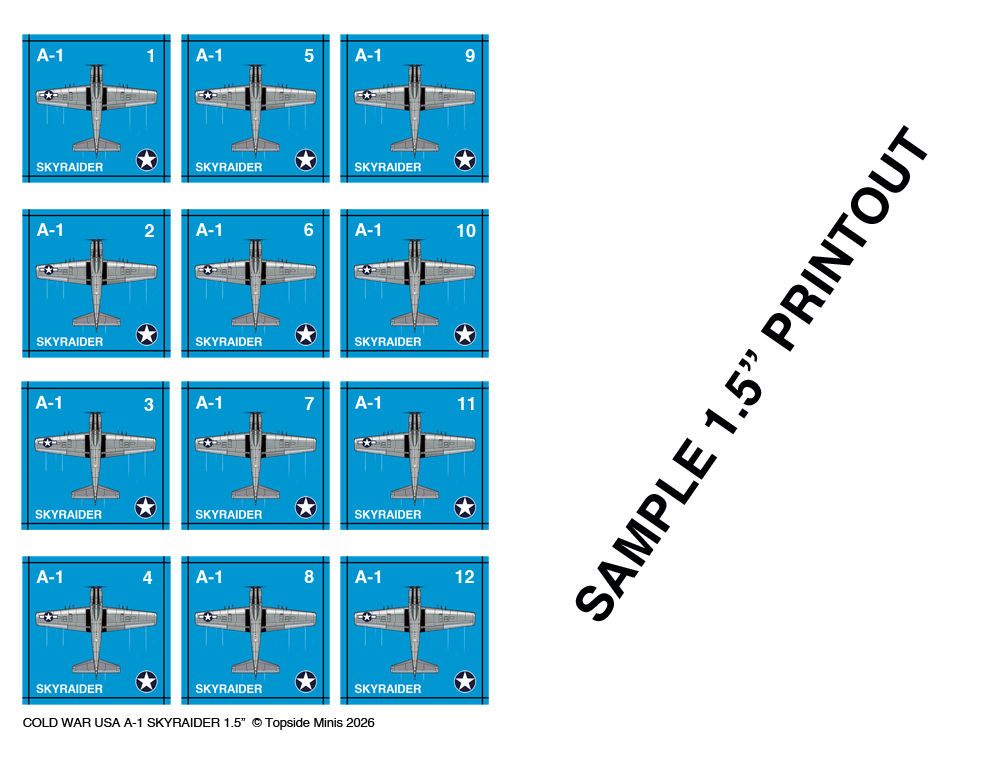
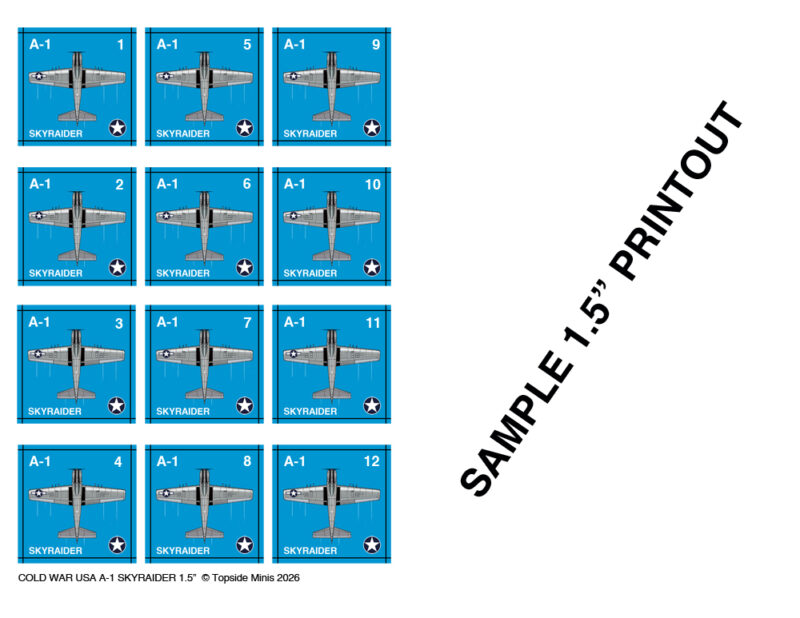
- 12 1.5” square counter images
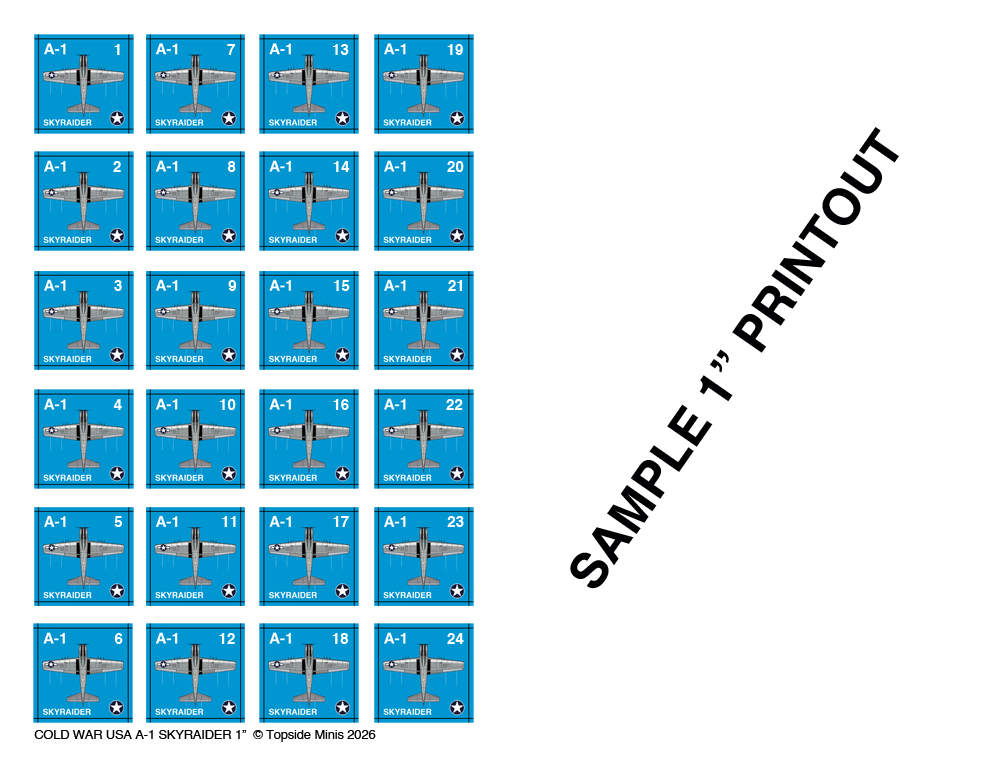
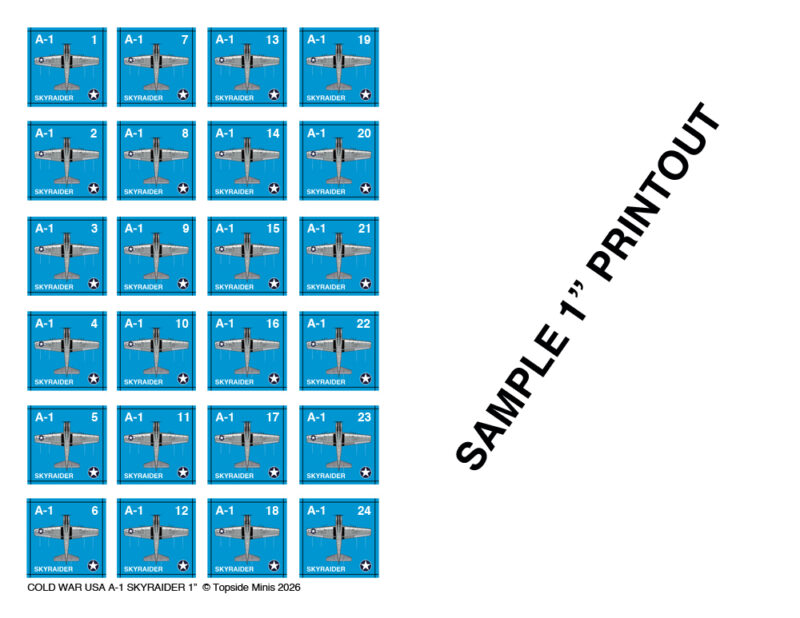
- 24 1” square counter images
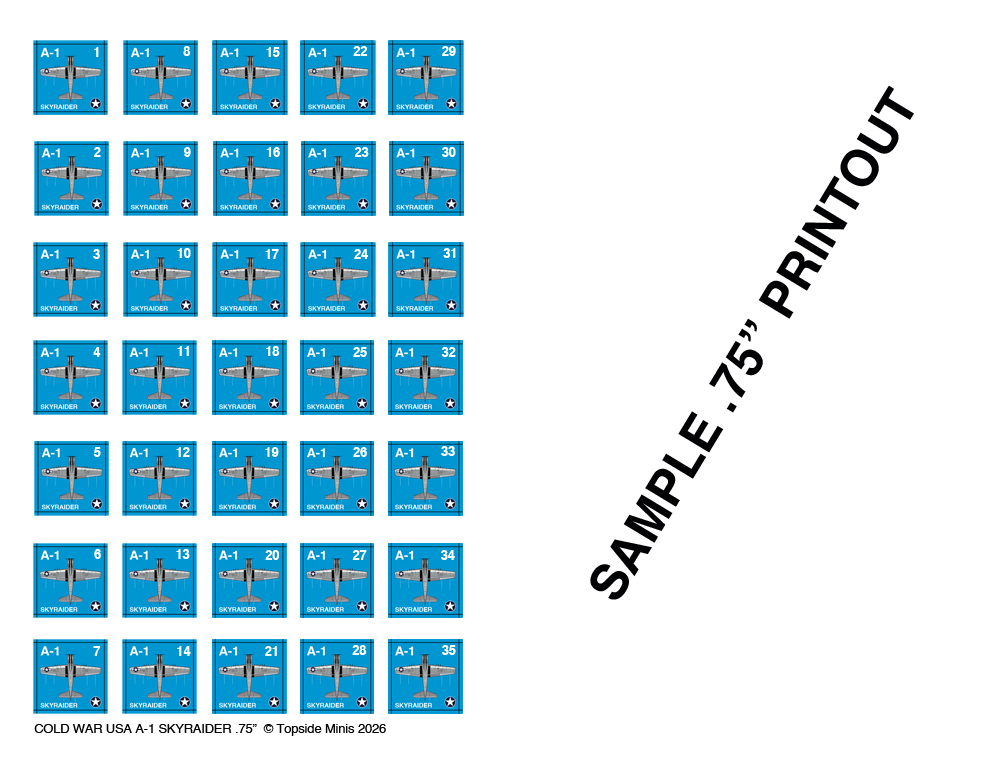
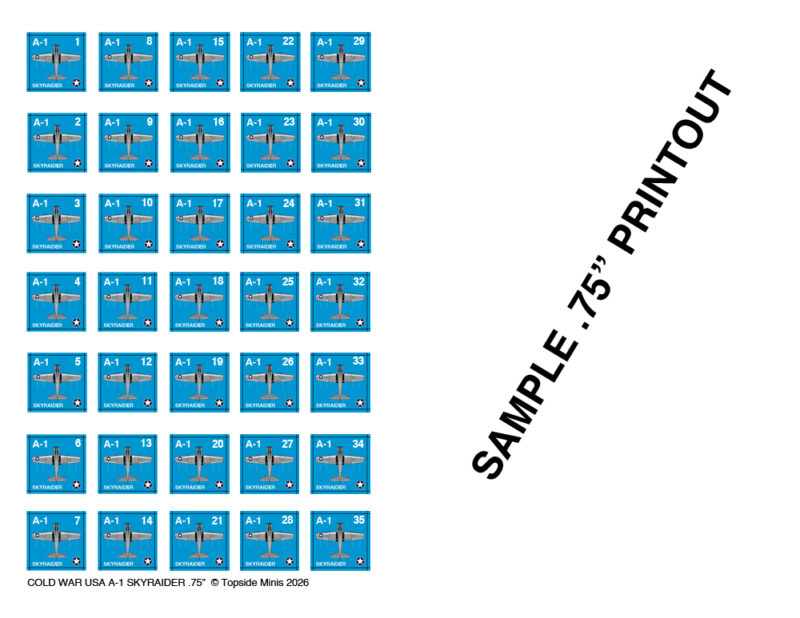
- 35 .75” square counter images
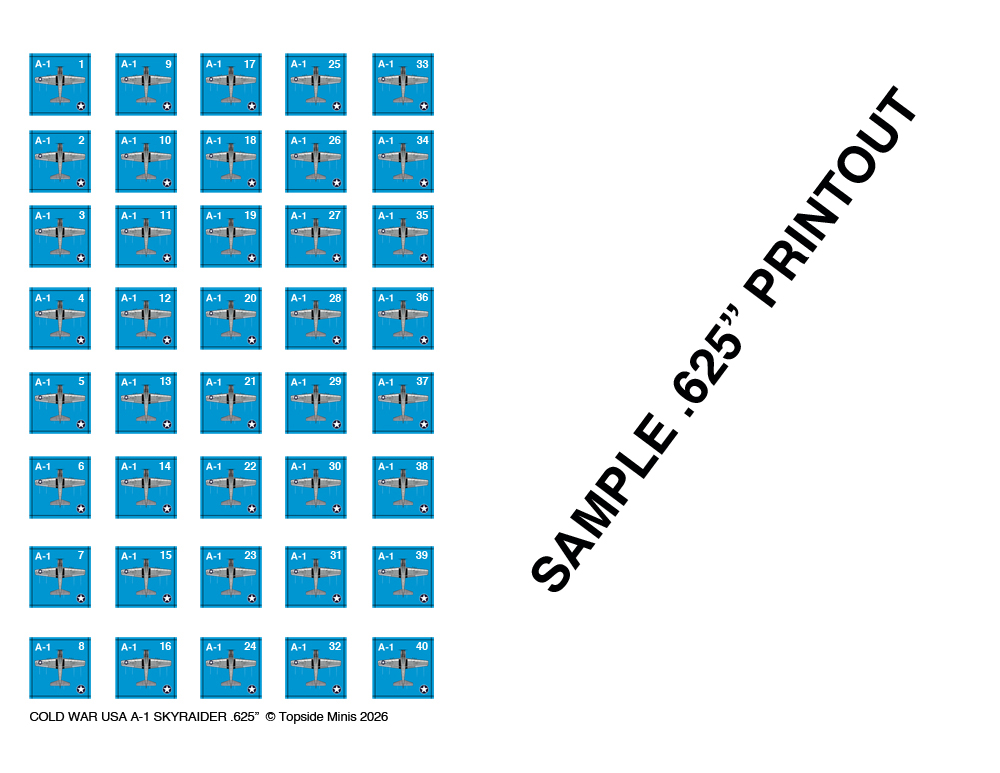
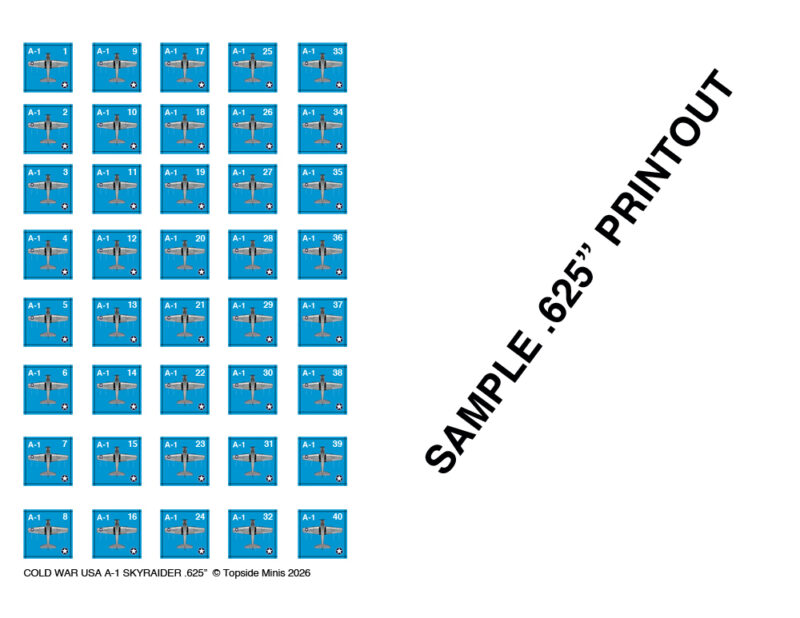
- 40 .625” square counter images
- Numbered Images to assist with game organization and tracking
- Printable PDF format for personal gaming use
Each image size is contained on a ½ sheet.
- Enables users to save paper and print 2 types of aircraft on the same page.
- Print one set of aircraft images then reverse the page in the printer and print a second type of your choice on the same page.
| Weight | N/A |
|---|---|
| Paper Size | A4 210 × 297 mm, Letter 8.5 x 11 |
Related products
Cold War Aircraft

Cold War Aircraft

Cold War Aircraft
Cold War Aircraft

Cold War Aircraft
Cold War Aircraft


Cold War Era
Cold War Aircraft