
Su-11 LK – PDF
$1.95
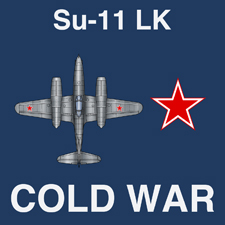
The Sukhoi Su-11 (LK) was an experimental Soviet twin-engine jet fighter developed in 1947 during the early years of the Cold War. An improved derivative of the Su-9 (1946) prototype, the aircraft incorporated more powerful engines and revised aerodynamic features as the Soviet Union explored advanced jet fighter technology. Only one prototype was built, and the aircraft never entered operational service or participated in combat.
| Title | Range | Discount |
|---|---|---|
| Cold War Aircraft - 10% Off | 5 - 9 | 10% |
| Cold War Aircraft - 15% Off | 10 - 19 | 15% |
| Cold War Aircraft - 20% Off | 20 + | 20% |
The Sukhoi Su-11 (LK) was developed in 1947 by the Sukhoi design bureau as part of the Soviet Union’s early efforts to produce modern jet-powered fighters following World War II. Based on the experimental Su-9 aircraft of 1946, the Su-11 incorporated significant modifications intended to improve performance and address limitations encountered during earlier testing. The aircraft retained a conventional straight-wing configuration with two jet engines mounted beneath the wings, reflecting the influence of early German jet fighter technology and the rapid development of Soviet jet aviation during the immediate postwar period.
The Su-11 was designed around more powerful Lyulka TR-1 turbojet engines, replacing the earlier German-derived engines used in the Su-9 prototype. The larger engines required modifications to the wing and engine installations, while other refinements were intended to improve the aircraft’s aerodynamic performance and handling characteristics. The designation LK referred to the aircraft’s internal project designation, distinguishing it from the entirely unrelated Su-11 supersonic interceptor developed by Sukhoi more than a decade later.
Flight testing began in 1947, during a period when the Soviet Union was evaluating several competing jet fighter designs. The Su-11 demonstrated the potential of more advanced Soviet-developed turbojet engines, but problems with engine reliability and performance limited the aircraft’s development. At the same time, competing fighters from the Mikoyan-Gurevich and Yakovlev design bureaus were progressing toward operational service. The Su-11 program was ultimately discontinued without entering production, and only a single prototype was completed.
Although the Su-11 (LK) never entered military service or participated in combat, it represented an important stage in the development of early Soviet jet fighter technology. The aircraft reflected the transition from wartime piston-engine fighters and experimental jet designs toward the more capable aircraft that would emerge during the late 1940s and early 1950s. Its development contributed to Sukhoi’s growing experience with jet propulsion, aerodynamic design, and high-performance military aircraft, helping establish the technological foundation for later Sukhoi fighters and interceptors.
Service Branch: Soviet experimental aviation / Sukhoi Design Bureau
Development and Testing: 1947–1948
Operational Service: None — experimental prototype only
Number Built: 1
What’s Included:
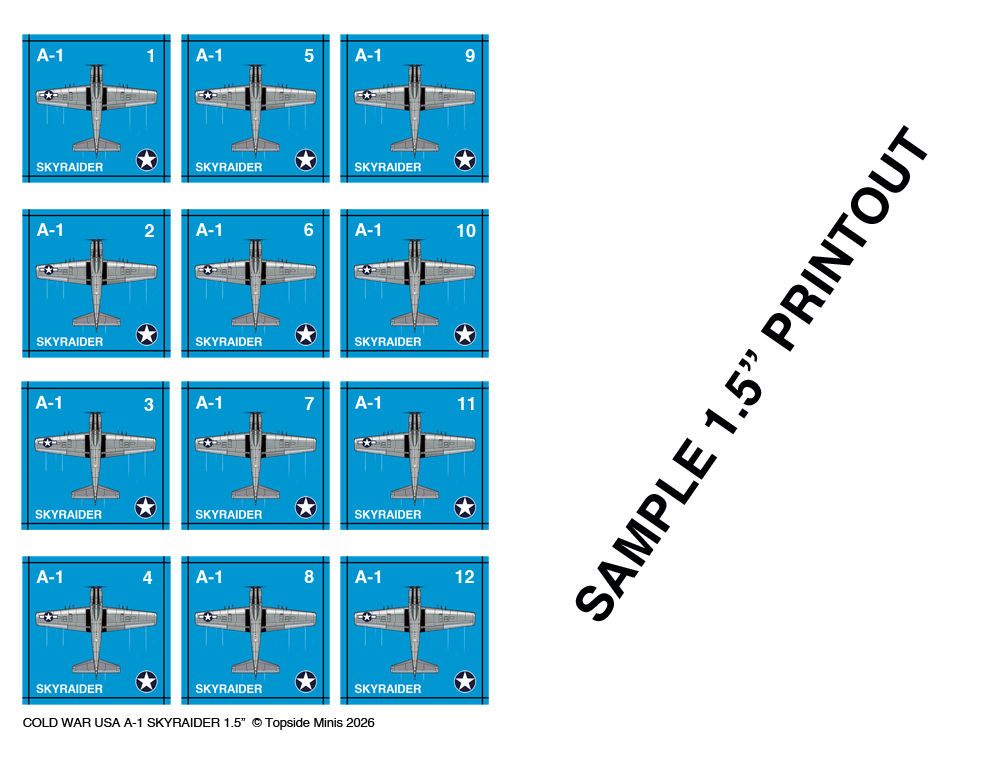
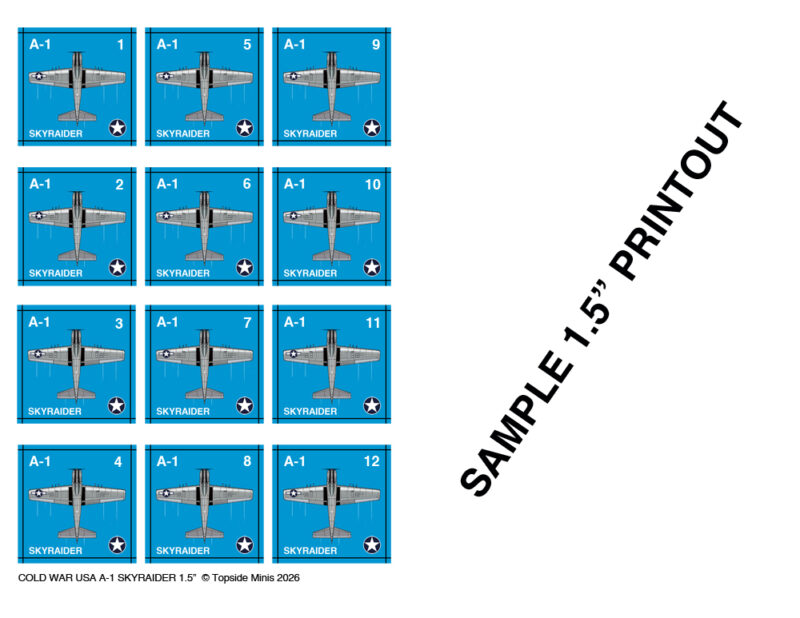
- 12 1.5” square counter images
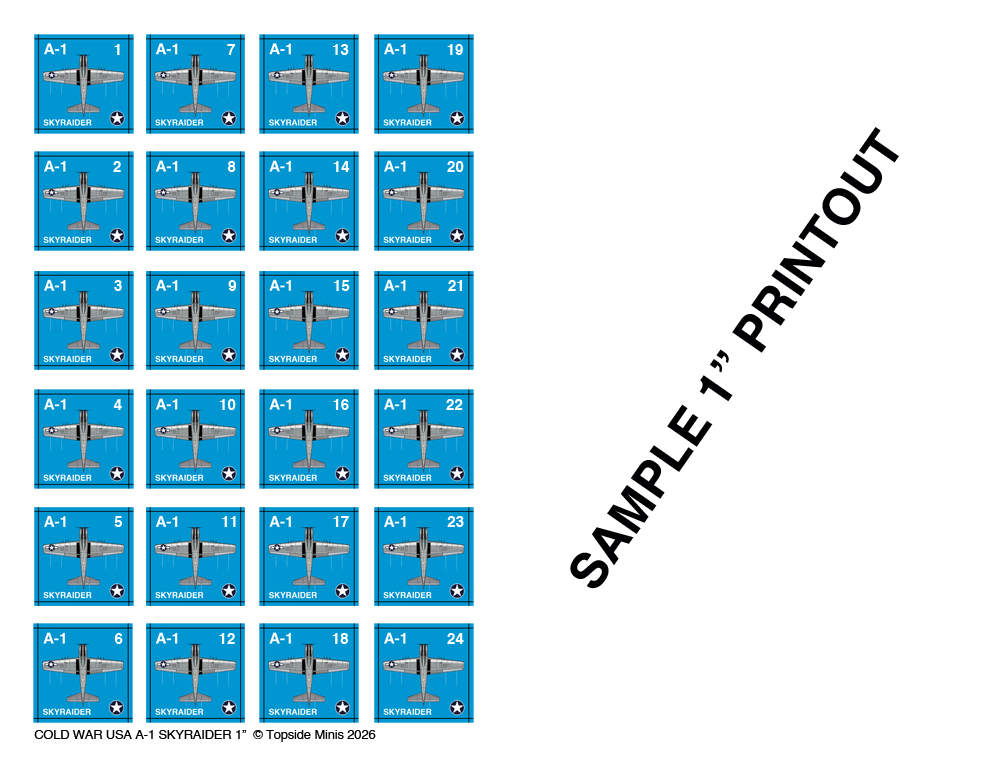
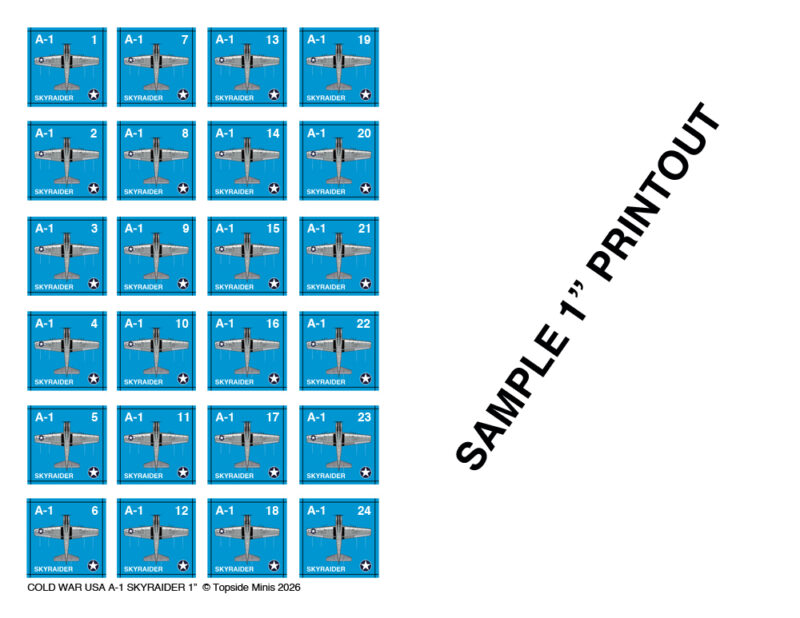
- 24 1” square counter images
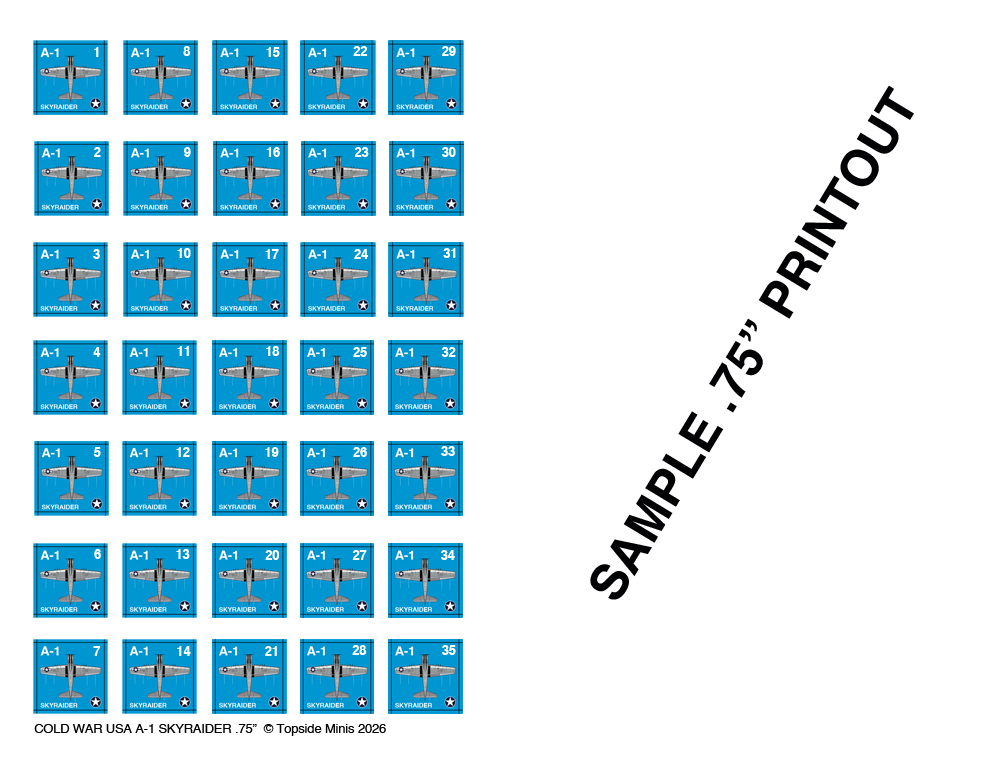
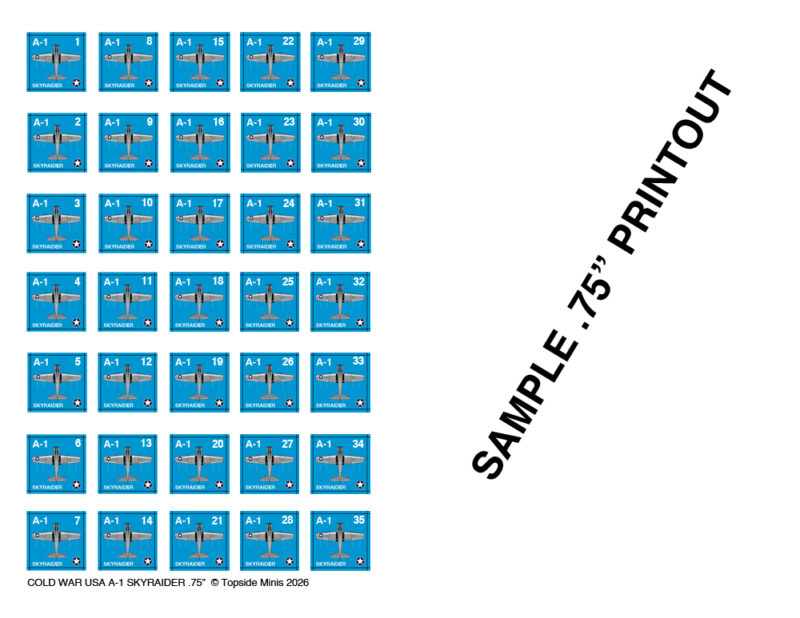
- 35 .75” square counter images
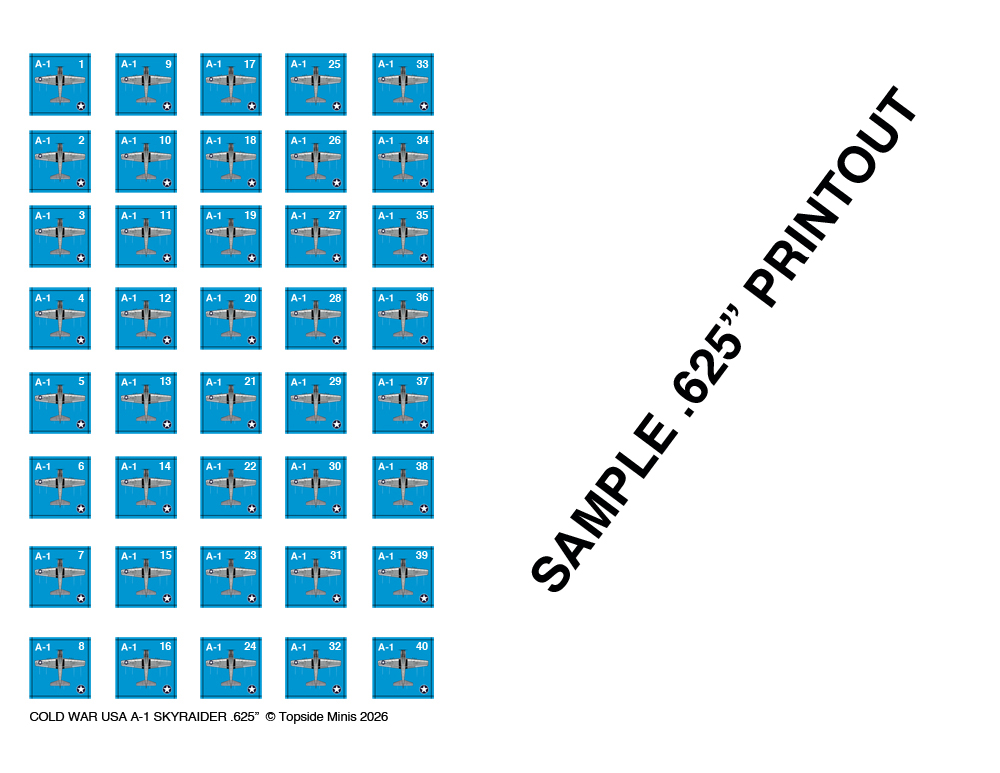
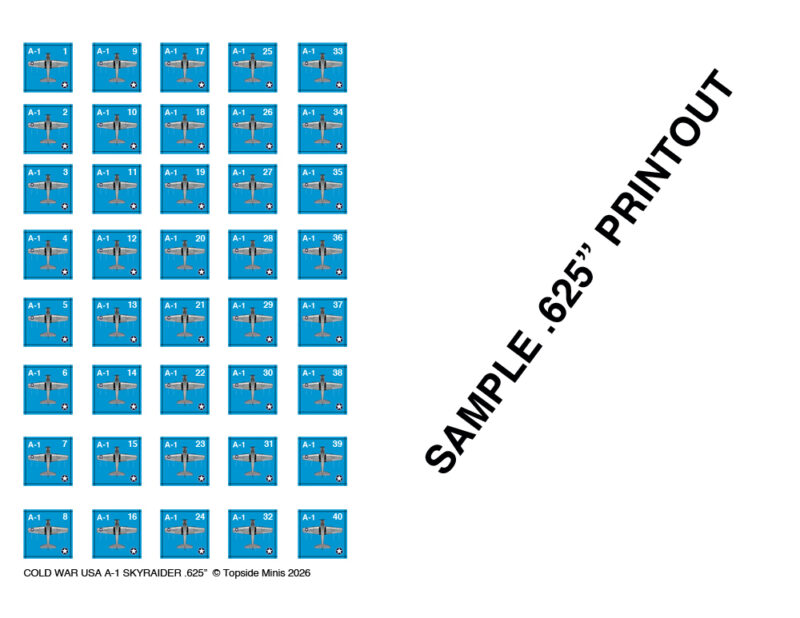
- 40 .625” square counter images
- Numbered Images to assist with game organization and tracking
- Printable PDF format for personal gaming use
Each image size is contained on a ½ sheet.
- Enables users to save paper and print 2 types of aircraft on the same page.
- Print one set of aircraft images then reverse the page in the printer and print a second type of your choice on the same page.
| Weight | N/A |
|---|---|
| Paper Size | A4 210 × 297 mm, Letter 8.5 x 11 |
Related products
Cold War Aircraft
Cold War Aircraft
Cold War Aircraft
Cold War Aircraft

Cold War Aircraft
Cold War Aircraft
Cold War Aircraft

Cold War Era