
S-3 Viking – PDF
$1.95
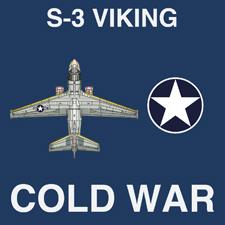
The Lockheed S-3 Viking was a twin-engine, carrier-based anti-submarine warfare aircraft developed for the U.S. Navy during the Cold War. Designed to detect, track, and engage enemy submarines, the Viking combined advanced acoustic sensors, radar, and specialized weapons with long endurance and carrier operating capability. Later adapted for maritime surveillance, aerial refueling, and surface attack missions, the S-3 served during the Persian Gulf War and subsequent military operations in the Middle East.
| Title | Range | Discount |
|---|---|---|
| Cold War Aircraft - 10% Off | 5 - 9 | 10% |
| Cold War Aircraft - 15% Off | 10 - 19 | 15% |
| Cold War Aircraft - 20% Off | 20 + | 20% |
The Lockheed S-3 Viking was developed during the late 1960s to replace the aging Grumman S-2 Tracker as the U.S. Navy’s principal carrier-based anti-submarine warfare aircraft. Designed by Lockheed, the S-3 featured two turbofan engines, a four-person crew, and an extensive suite of electronic detection equipment. Entering operational service in 1974, the Viking provided American aircraft carriers with a modern platform capable of locating and attacking submarines operating far beyond the immediate protection of the carrier battle group.
During the Cold War, the S-3 played an important role in protecting U.S. Navy carrier formations against the expanding Soviet submarine threat. Equipped with sonobuoys, magnetic anomaly detection equipment, radar, and sophisticated acoustic processing systems, the Viking could search large areas of ocean and track submerged contacts. Its internal weapons bay and external hardpoints allowed it to carry anti-submarine torpedoes, depth charges, and other weapons. Operating alongside carrier-based helicopters, surface escorts, and maritime patrol aircraft such as the P-3 Orion, the S-3 formed an important component of the Navy’s layered anti-submarine defense system.
As the Cold War ended and the Soviet submarine threat diminished, the Viking increasingly assumed additional missions, including maritime surveillance, surface attack, electronic reconnaissance, and aerial refueling. During the 1991 Persian Gulf War (Operation Desert Storm), S-3 aircraft supported coalition naval operations through surveillance, reconnaissance, and other carrier-based support missions. Vikings subsequently participated in operations associated with the conflicts in the Balkans and the Middle East. During the 2003 invasion of Iraq (Operation Iraqi Freedom), an S-3B Viking launched a laser-guided Maverick missile against an Iraqi naval target, demonstrating the aircraft’s expanded surface-attack capability.
The S-3B became particularly valuable as an organic aerial refueling aircraft, extending the range and endurance of other carrier-based aircraft through buddy-tanking operations. Although originally designed specifically for anti-submarine warfare, the Viking’s adaptability allowed it to remain useful long after its primary Cold War mission had declined. The U.S. Navy retired the S-3 from front-line carrier service in 2009, with remaining specialized operations ending in 2016. Its combination of sophisticated submarine detection equipment, long endurance, and versatility made the NATO-era Viking one of the most important American carrier-based support aircraft of the late Cold War.
Service Branch: U.S. Navy
U.S. Service: 1974–2016 (front-line carrier service ended in 2009)
Number Built: 187
What’s Included:
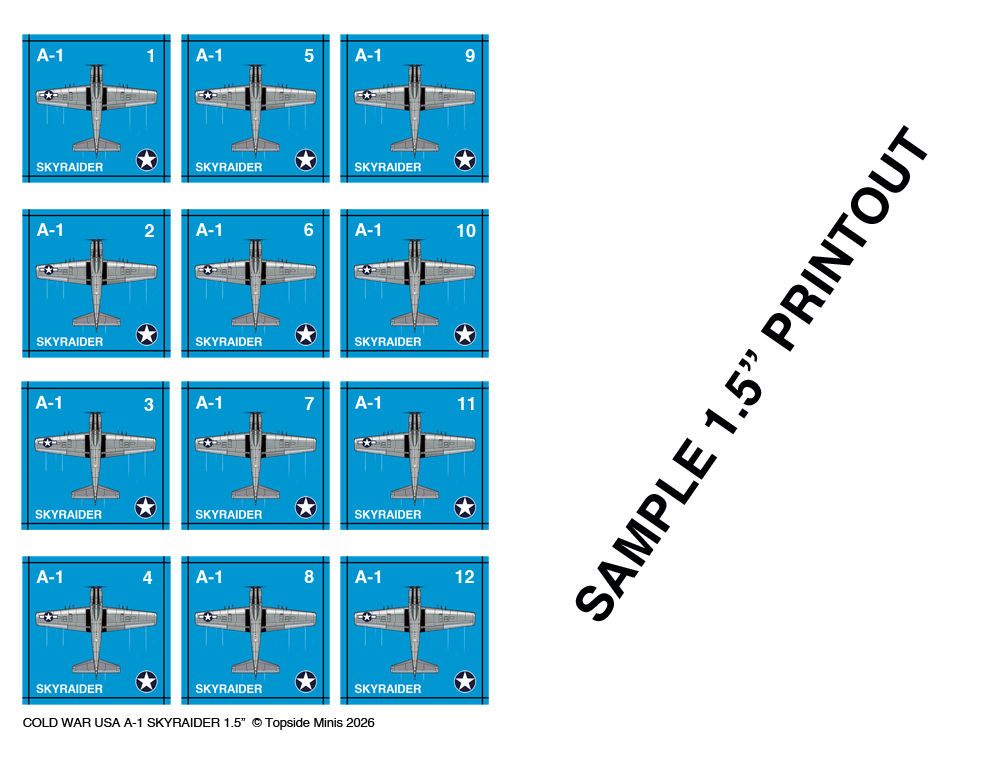
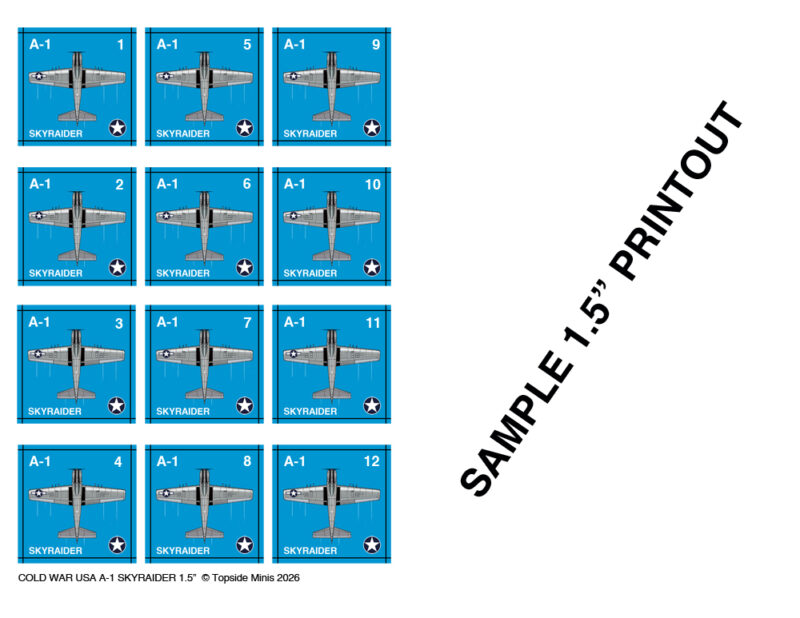
- 12 1.5” square counter images
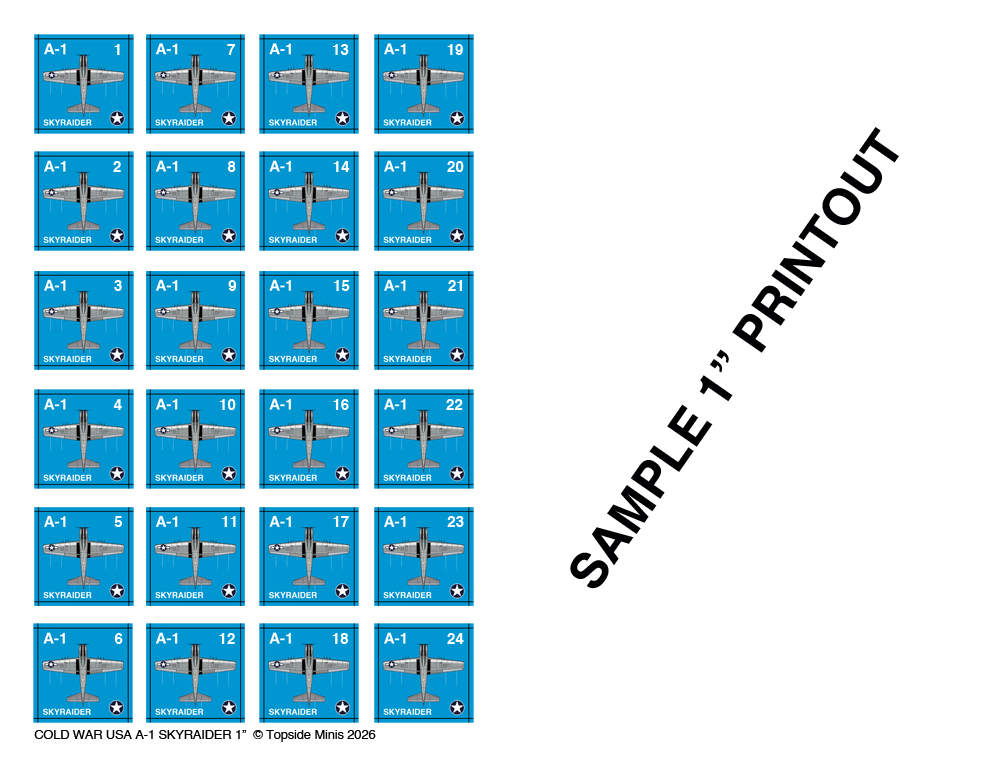
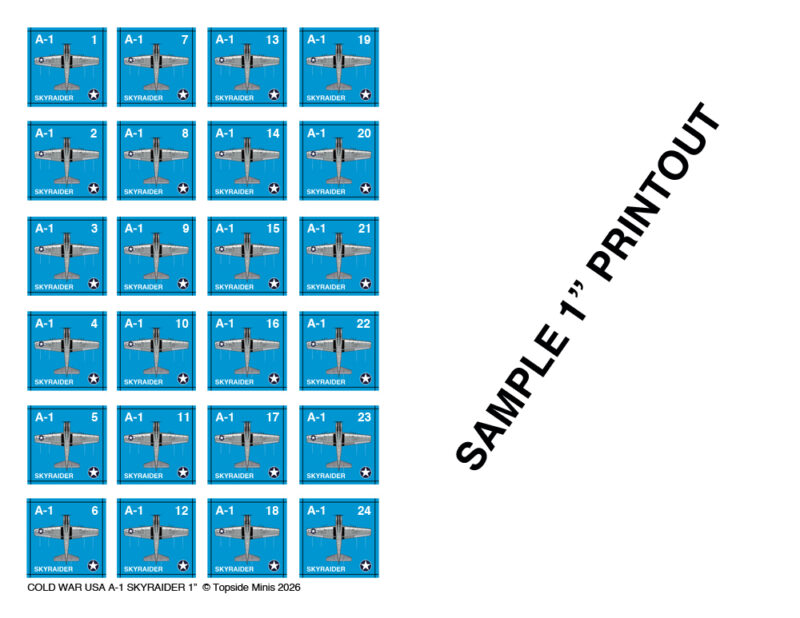
- 24 1” square counter images
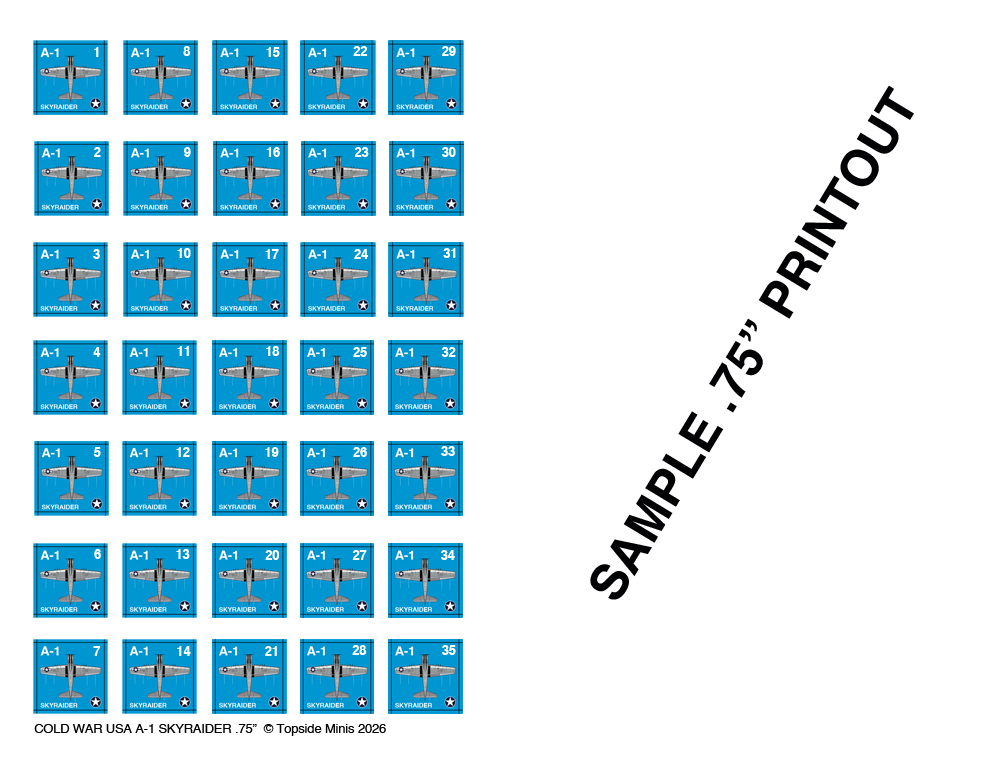
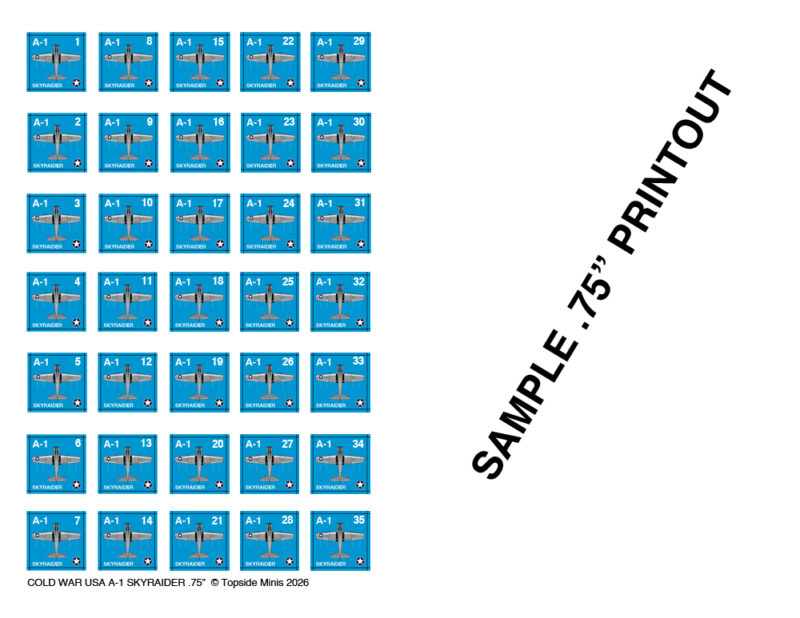
- 35 .75” square counter images
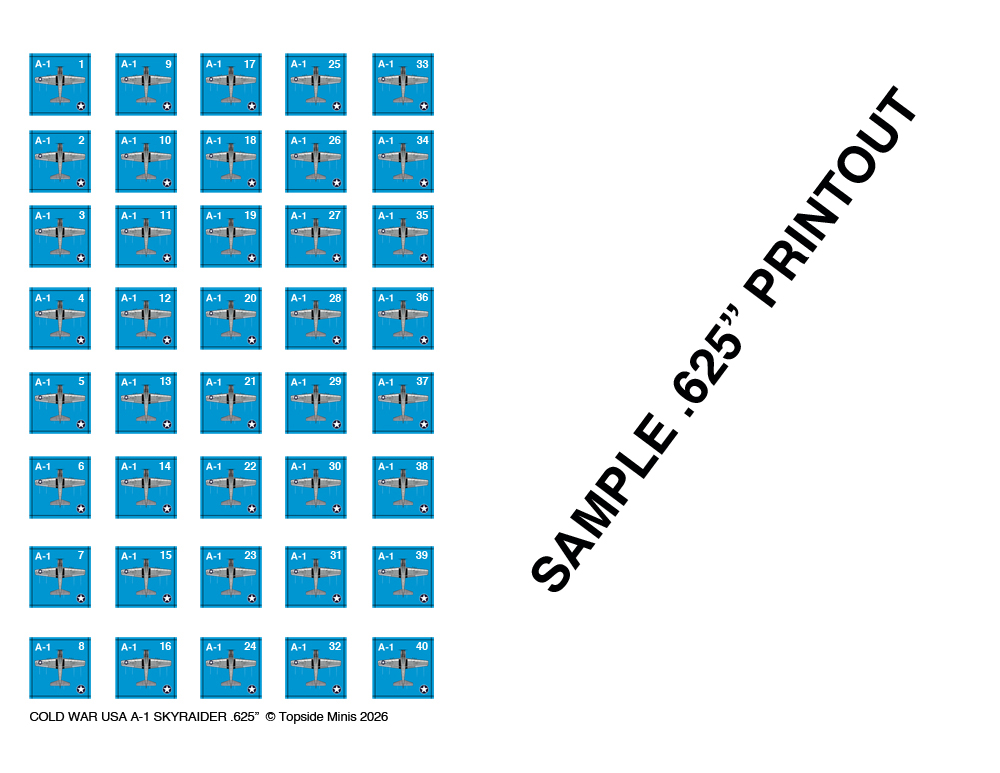
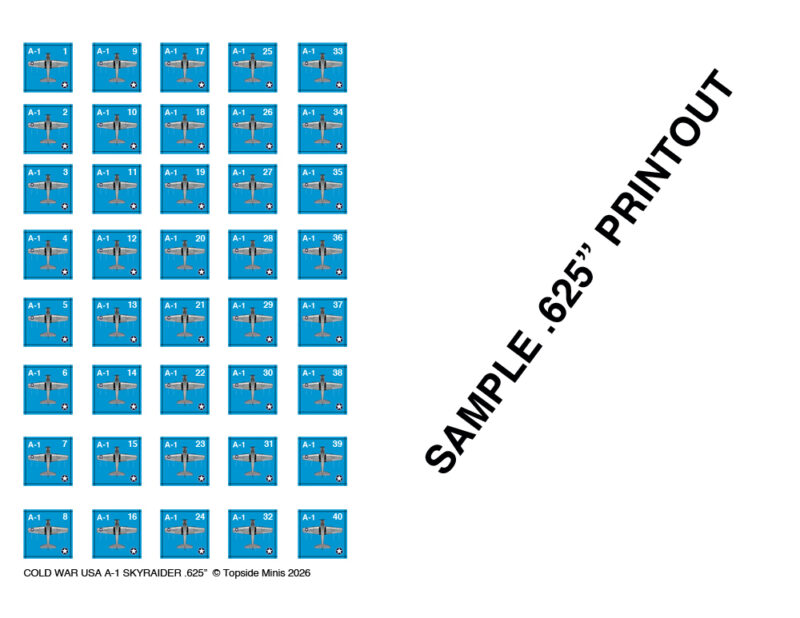
- 40 .625” square counter images
- Numbered Images to assist with game organization and tracking
- Printable PDF format for personal gaming use
Each image size is contained on a ½ sheet.
- Enables users to save paper and print 2 types of aircraft on the same page.
- Print one set of aircraft images then reverse the page in the printer and print a second type of your choice on the same page.
| Weight | N/A |
|---|---|
| Paper Size | A4 210 × 297 mm, Letter 8.5 x 11 |
Related products
Cold War Aircraft
Cold War Aircraft
Cold War Aircraft
Cold War Era
Cold War Aircraft
Cold War Aircraft
Cold War Aircraft
Cold War Aircraft