P-2 Neptune – PDF
$1.95
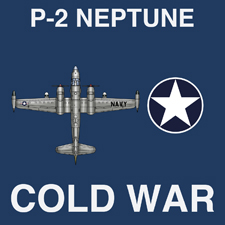
The Lockheed P-2 Neptune was a long-range maritime patrol and anti-submarine warfare aircraft developed for the U.S. Navy during the closing years of World War II. Originally designated P2V, the Neptune became one of the most important American naval patrol aircraft of the early Cold War, conducting submarine detection, ocean surveillance, reconnaissance, and coastal patrol missions. It served extensively during the Korean War and Vietnam War and was operated by numerous allied navies and air forces worldwide.
| Title | Range | Discount |
|---|---|---|
| Cold War Aircraft - 10% Off | 5 - 9 | 10% |
| Cold War Aircraft - 15% Off | 10 - 19 | 15% |
| Cold War Aircraft - 20% Off | 20 + | 20% |
The Lockheed P-2 Neptune was developed during World War II to provide the U.S. Navy with a long-range, land-based maritime patrol aircraft capable of operating across vast ocean areas. Designed by Lockheed as the successor to earlier patrol bombers, the Neptune combined excellent endurance with the ability to carry depth charges, torpedoes, bombs, and other anti-submarine weapons. Entering operational service in 1947 under the original designation P2V, the aircraft became a principal component of American maritime patrol aviation during the opening decades of the Cold War.
The Neptune was designed primarily for anti-submarine warfare (ASW), maritime reconnaissance, and ocean surveillance. As Soviet submarine forces expanded during the 1950s, P2V patrol aircraft became increasingly important in monitoring naval activity across the Atlantic and Pacific Oceans. Later variants incorporated improved radar, magnetic anomaly detection equipment, electronic surveillance systems, and other specialized sensors. Some versions also received auxiliary jet engines to improve takeoff performance and provide additional speed when required. In 1962, the aircraft received the unified U.S. military designation P-2 Neptune.
During the Korean War, U.S. Navy Neptunes conducted maritime patrol, reconnaissance, and attacks against coastal targets, including operations against enemy transportation and supply networks. Specialized P2V aircraft also performed electronic intelligence and reconnaissance missions near Communist-controlled territory. During the Vietnam War, Neptune variants supported maritime surveillance and intelligence-gathering operations in Southeast Asia. Particularly notable were the heavily modified OP-2E Neptunes operated by U.S. Navy squadron VO-67, which conducted low-altitude missions to deploy electronic sensors along infiltration routes associated with the Ho Chi Minh Trail.
The Neptune was widely exported and served with allied nations including Australia, France, Japan, the Netherlands, Argentina, and others. Japanese-built versions manufactured by Kawasaki further extended the aircraft’s operational history. Although the Lockheed P-3 Orion gradually replaced the Neptune in American naval service during the 1960s and 1970s, the P-2 continued operating internationally for many years. Its extensive service in anti-submarine warfare, reconnaissance, and combat operations made the Neptune one of the defining maritime patrol aircraft of the Cold War.
Service Branch: U.S. Navy; numerous allied naval and air forces
U.S. Service: 1947–1978
Number Built: 1,177 (Lockheed production; additional aircraft built in Japan)
What’s Included:
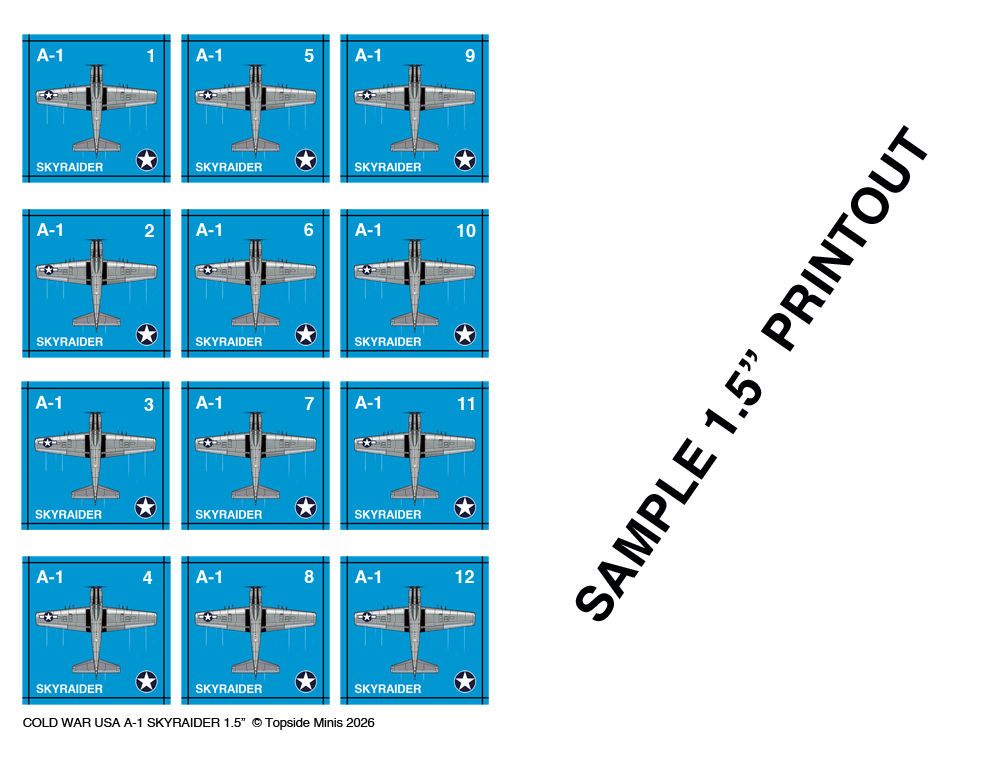
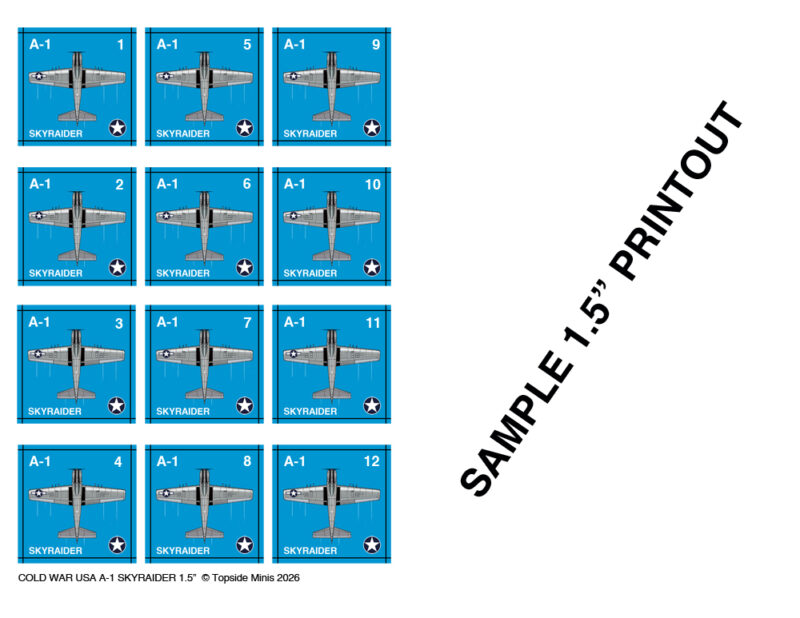
- 12 1.5” square counter images
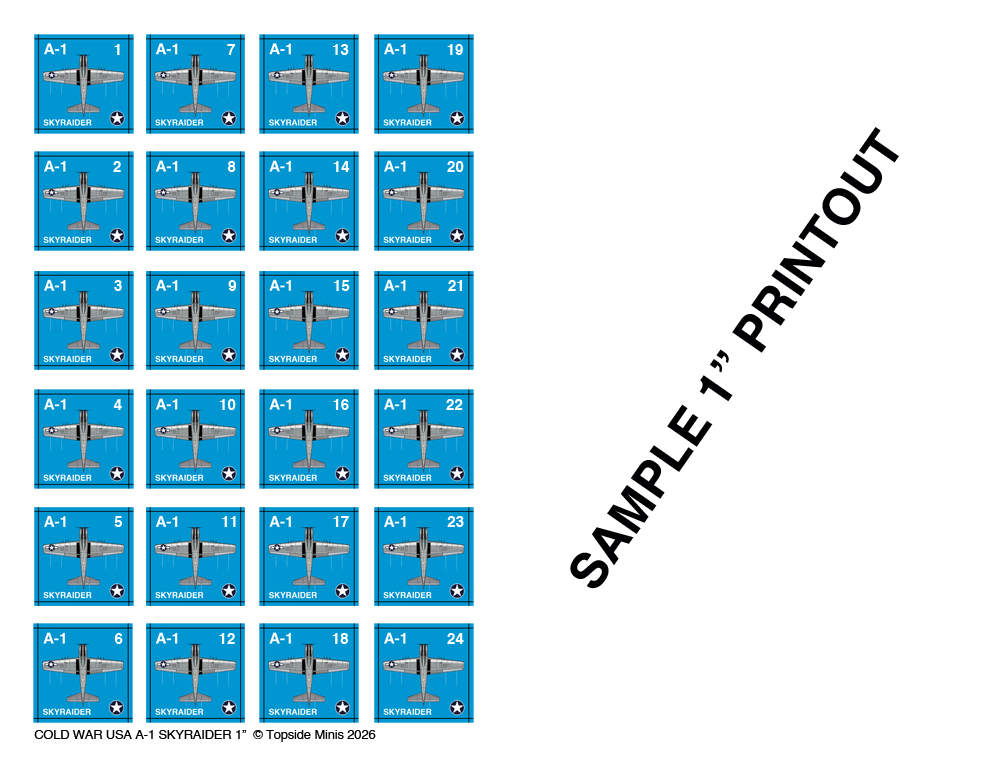
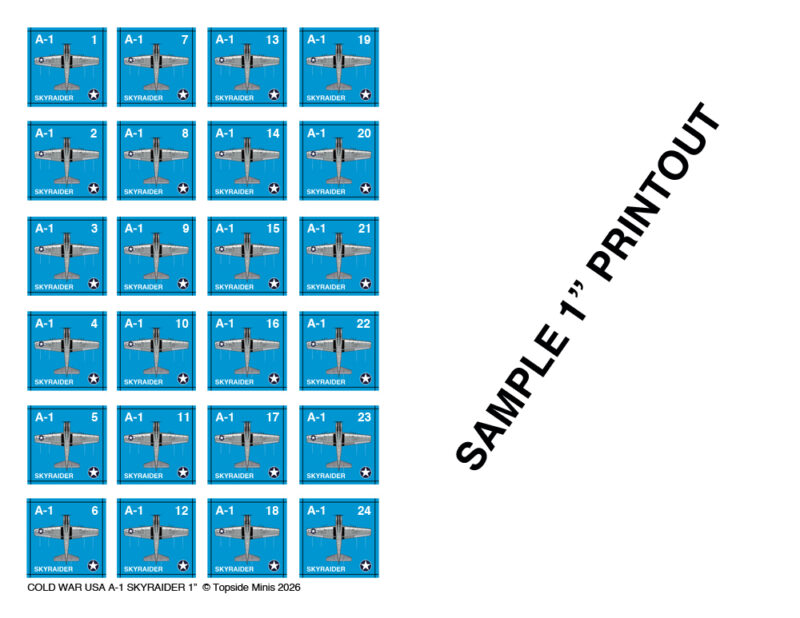
- 24 1” square counter images
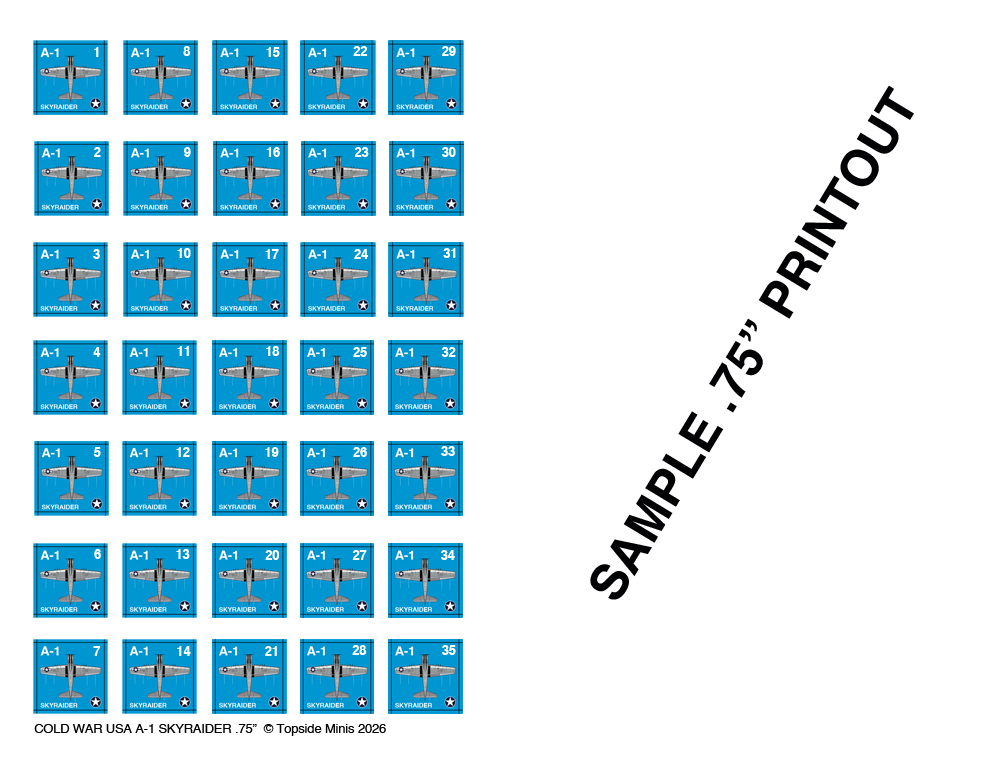
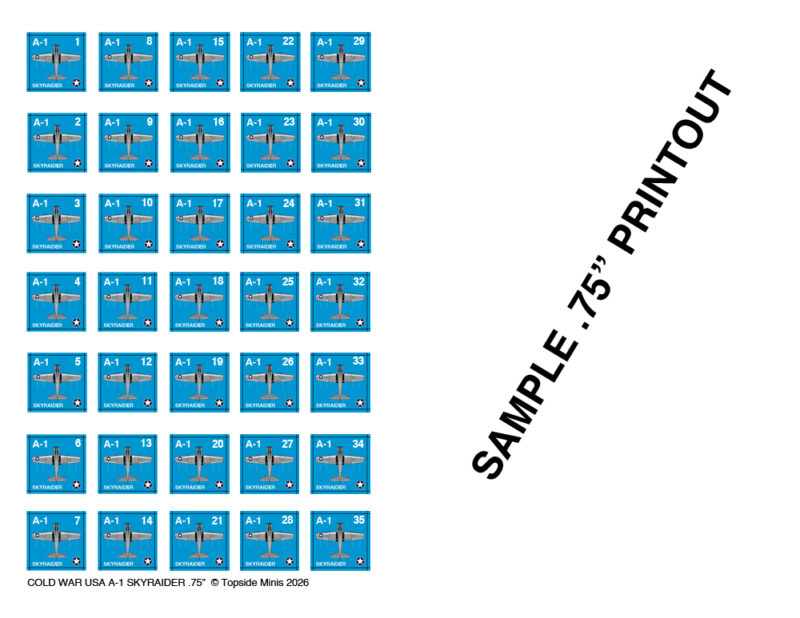
- 35 .75” square counter images
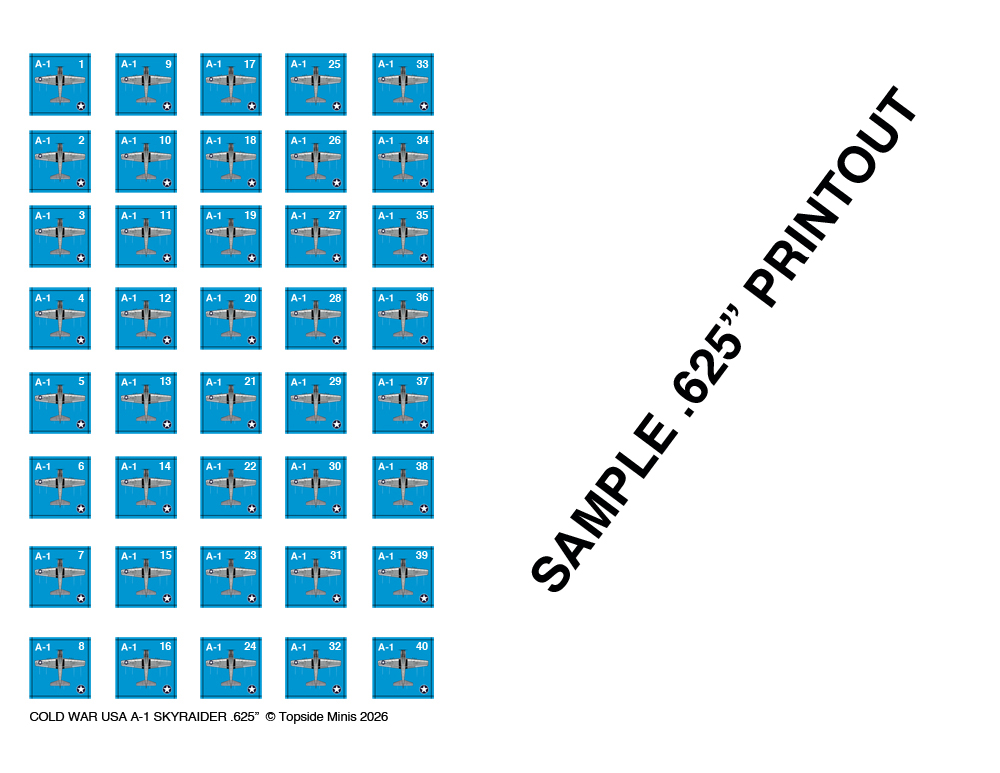
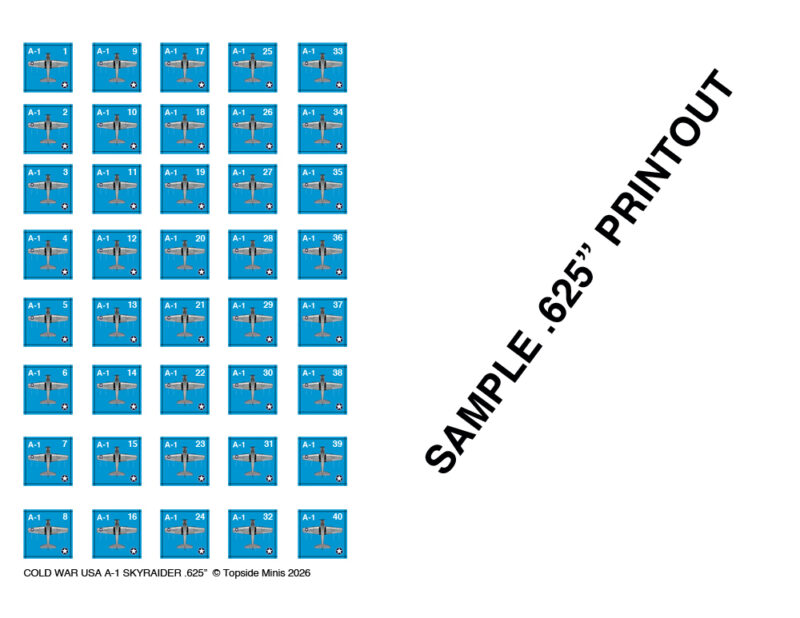
- 40 .625” square counter images
- Numbered Images to assist with game organization and tracking
- Printable PDF format for personal gaming use
Each image size is contained on a ½ sheet.
- Enables users to save paper and print 2 types of aircraft on the same page.
- Print one set of aircraft images then reverse the page in the printer and print a second type of your choice on the same page.
| Weight | N/A |
|---|---|
| Paper Size | A4 210 × 297 mm, Letter 8.5 x 11 |
Related products
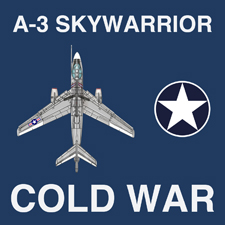
Cold War Aircraft


Cold War Era
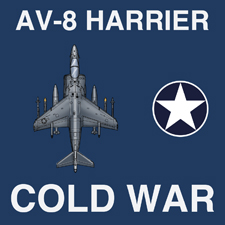
Cold War Aircraft

Cold War Aircraft
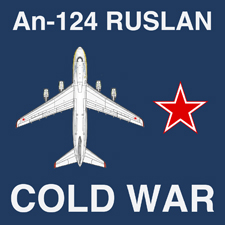
Cold War Aircraft

Cold War Aircraft

Cold War Aircraft

Cold War Aircraft