
MiG-9 Fargo – PDF
$1.95
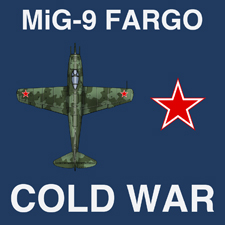
The Mikoyan-Gurevich MiG-9 “Fargo” was one of the Soviet Union’s first operational jet fighters, developed immediately after World War II as Soviet aviation transitioned from piston-engine aircraft to jet propulsion. Although quickly overshadowed by the MiG-15, the MiG-9 provided valuable experience in jet fighter design, production, and operations during the opening years of the Cold War.
| Title | Range | Discount |
|---|---|---|
| Cold War Aircraft - 10% Off | 5 - 9 | 10% |
| Cold War Aircraft - 15% Off | 10 - 19 | 15% |
| Cold War Aircraft - 20% Off | 20 + | 20% |
The Mikoyan-Gurevich MiG-9 “Fargo” was developed during the closing stages of World War II and its immediate aftermath as the Soviet Union raced to introduce an operational jet fighter. Designed by the Mikoyan-Gurevich bureau, the MiG-9 used two early turbojet engines mounted in the lower fuselage and represented a major technological departure from the piston-engine fighters that had equipped Soviet forces during the war.
Entering service in 1946, the MiG-9 became one of the first Soviet jet fighters to equip operational units. It was heavily armed with cannon and was primarily intended to intercept enemy bombers. Like many first-generation jet aircraft, however, the MiG-9 suffered from limitations in engine reliability, handling, and overall performance. Nevertheless, operating the aircraft provided Soviet pilots, ground crews, manufacturers, and designers with valuable experience as the Soviet Air Forces adapted to jet-powered combat aviation.
The MiG-9’s frontline career was relatively brief because jet technology was advancing extremely rapidly. The introduction of the much more capable MiG-15 beginning in the late 1940s quickly rendered the Fargo obsolete as a first-line fighter. A number of MiG-9s were subsequently supplied to China, where they were used primarily for training and helped prepare Chinese pilots for newer Soviet jet fighters rather than becoming an important combat type.
Although it never achieved the fame or combat record of the MiG-15, the MiG-9 occupies an important place in Soviet aviation history. It helped bridge the gap between the piston-engine fighters of World War II and the swept-wing jets that would soon characterize Cold War air combat, making the NATO-designated “Fargo” an excellent representation of the very beginning of the Soviet jet age.
Service Branch: Soviet Air Forces
Soviet Service: 1946–1950s
Number Built: 600+
What’s Included:
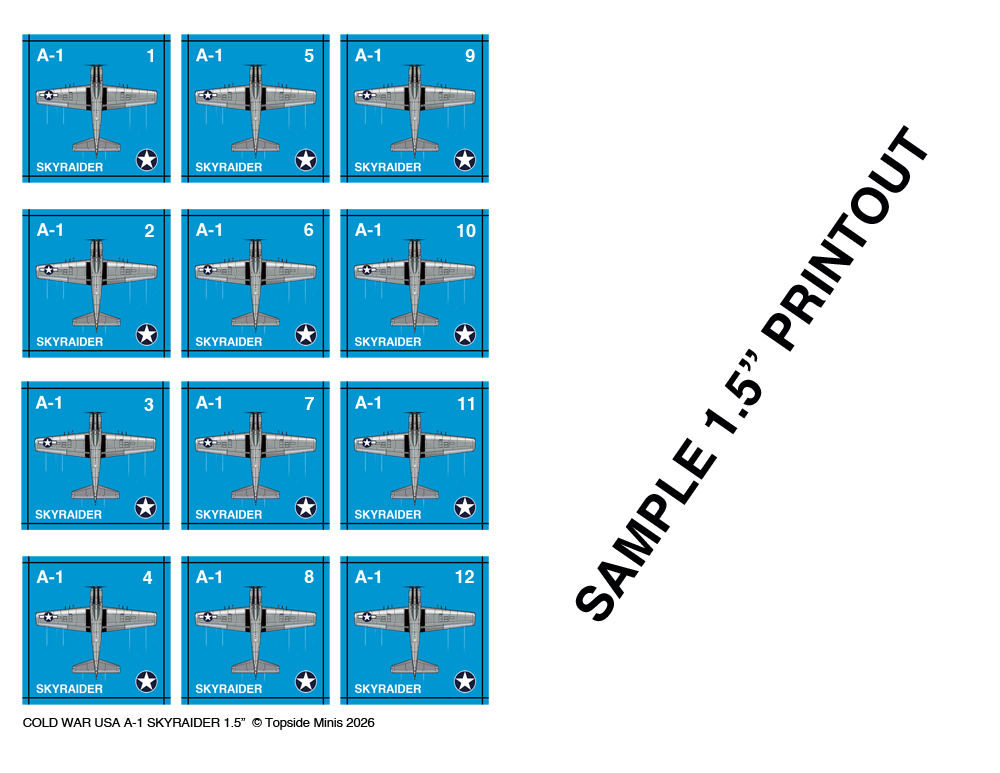
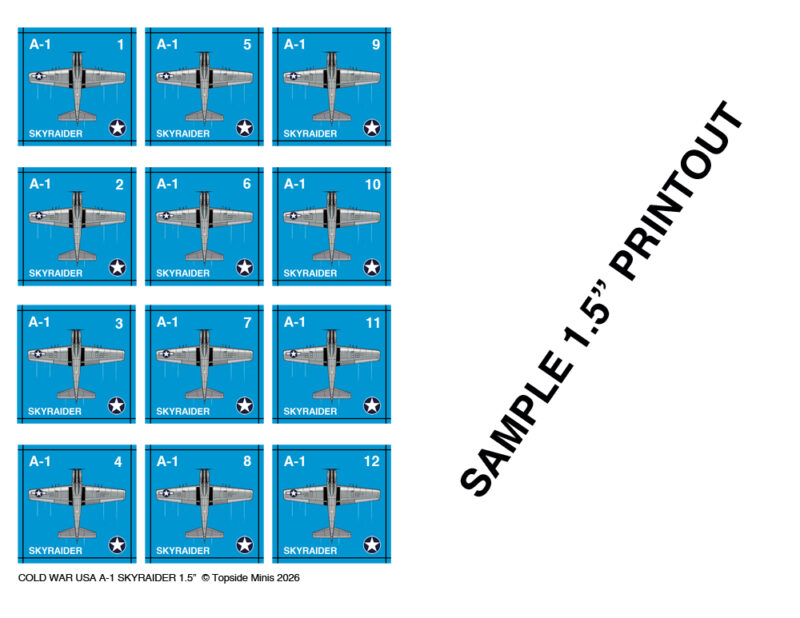
- 12 1.5” square counter images
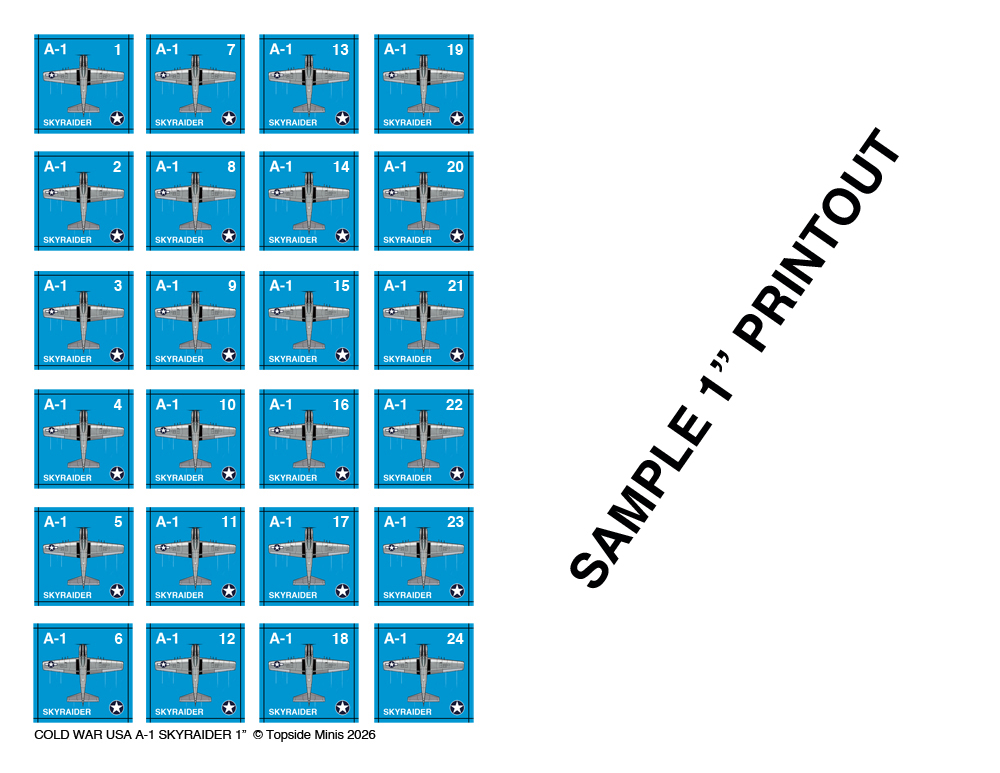
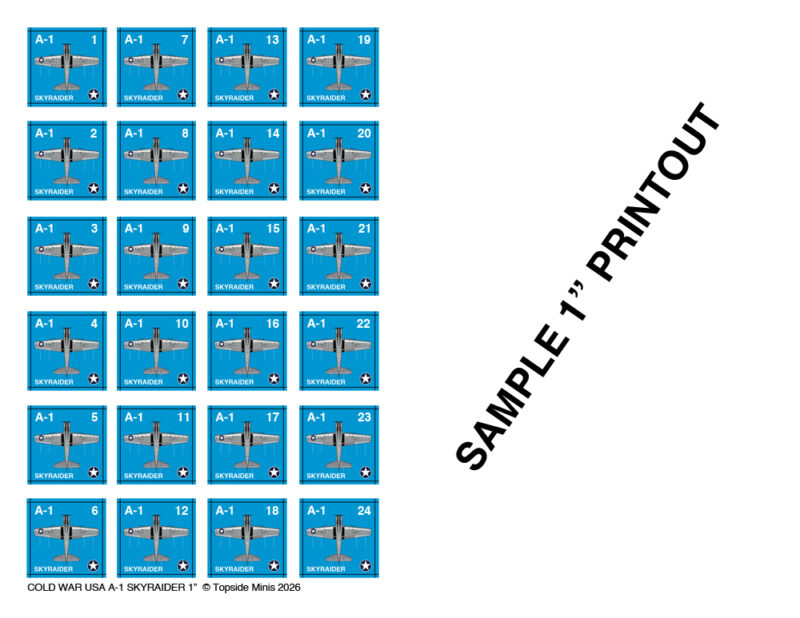
- 24 1” square counter images
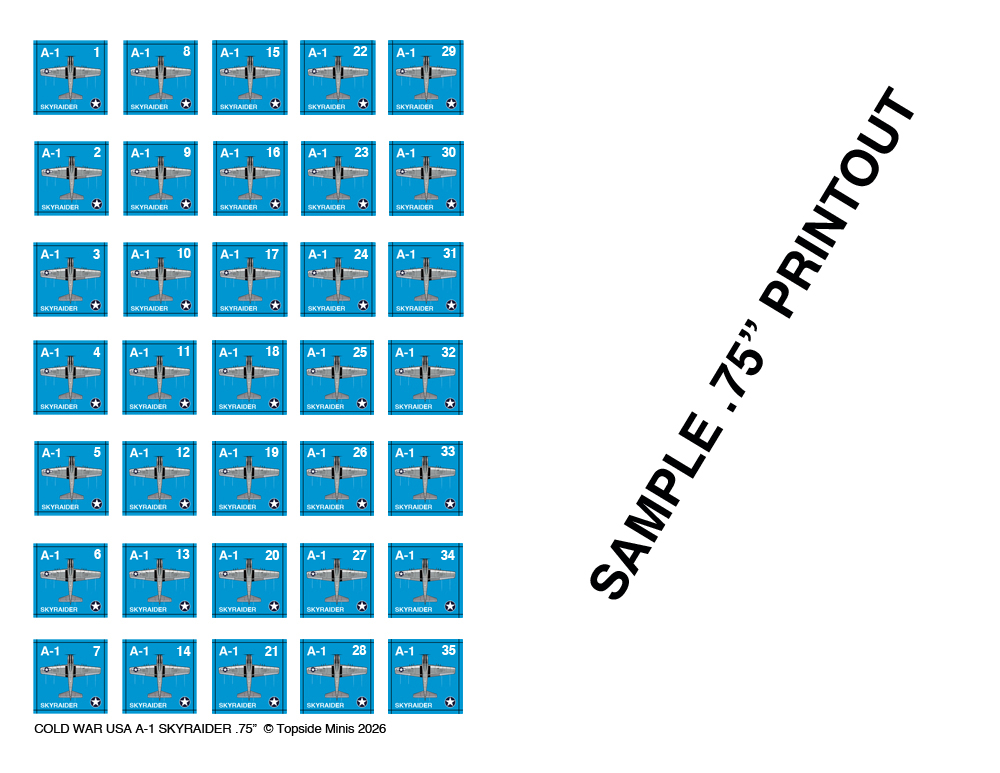
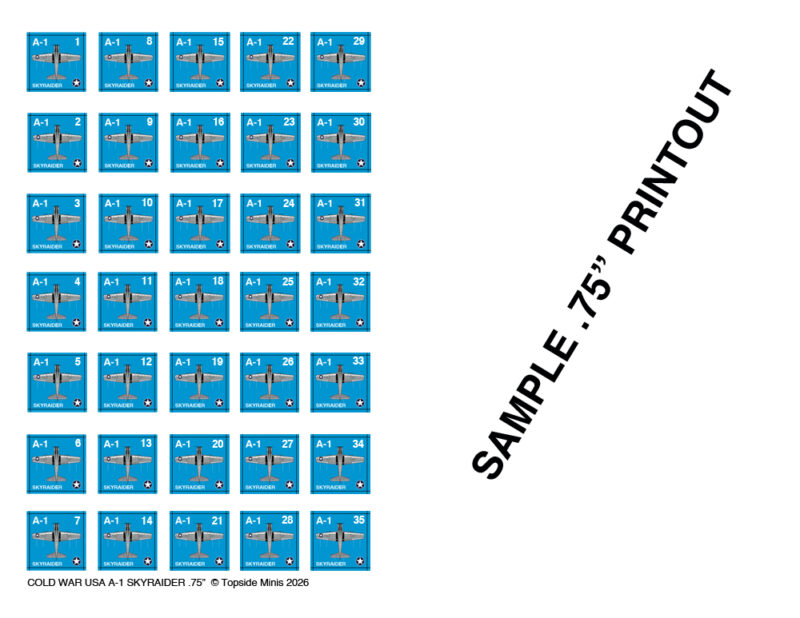
- 35 .75” square counter images
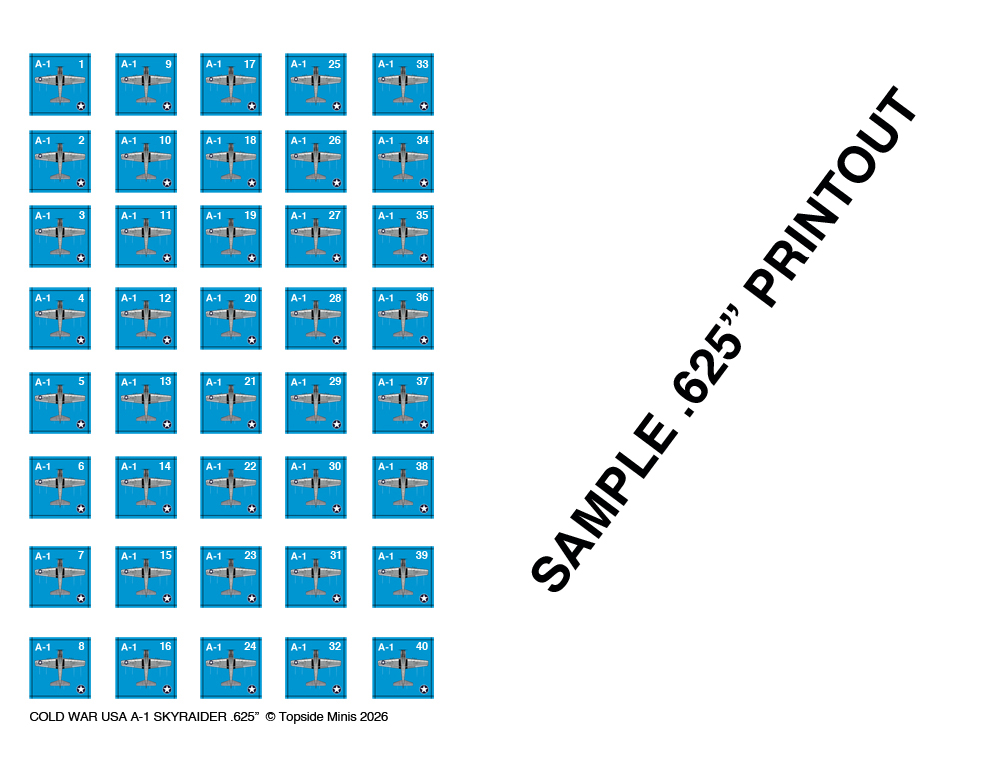
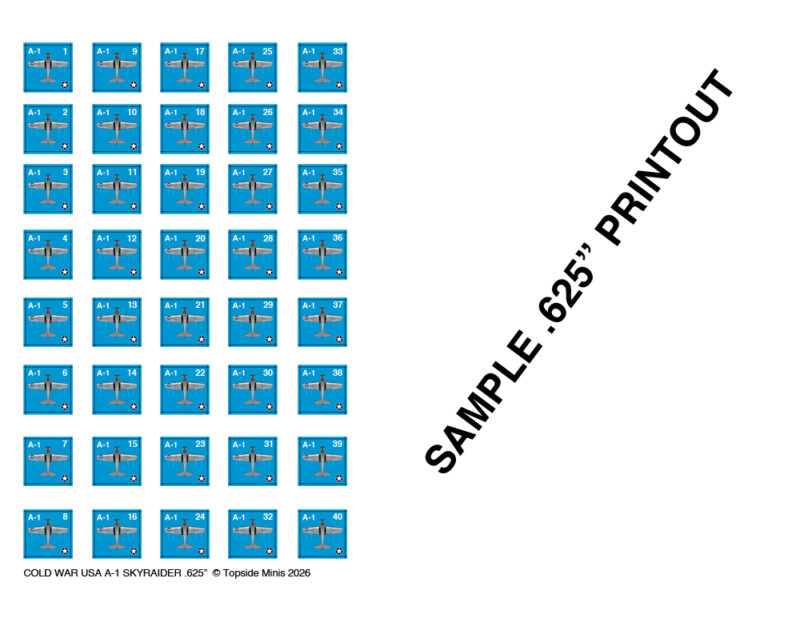
- 40 .625” square counter images
- Numbered Images to assist with game organization and tracking
- Printable PDF format for personal gaming use
Each image size is contained on a ½ sheet.
- Enables users to save paper and print 2 types of aircraft on the same page.
- Print one set of aircraft images then reverse the page in the printer and print a second type of your choice on the same page.
| Weight | N/A |
|---|---|
| Paper Size | A4 210 × 297 mm, Letter 8.5 x 11 |
Related products
Cold War Era
Cold War Aircraft
Cold War Aircraft
Cold War Aircraft
Cold War Aircraft
Cold War Aircraft
Cold War Aircraft
Cold War Aircraft