
KC-97 Stratofreighter / KC-135 Stratotanker / KC-10 Extender – PDF
$2.45
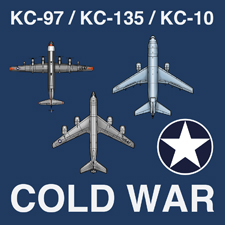
The Boeing KC-97 Stratofreighter, Boeing KC-135 Stratotanker, and McDonnell Douglas KC-10 Extender represent three generations of U.S. aerial refueling aircraft spanning the Cold War. From the piston-powered KC-97 supporting Strategic Air Command bombers of the 1950s, through the jet-powered KC-135 and the high-capacity KC-10, these tankers greatly extended the range, endurance, and worldwide reach of American combat aircraft.
| Title | Range | Discount |
|---|---|---|
| Cold War Aircraft - 10% Off | 5 - 9 | 10% |
| Cold War Aircraft - 15% Off | 10 - 19 | 15% |
| Cold War Aircraft - 20% Off | 20 + | 20% |
The Boeing KC-97 Stratofreighter became one of the first aerial tankers produced in large numbers for the newly independent U.S. Air Force. Developed from the C-97 transport and ultimately descended from the B-29/B-50 family, the four-engine piston aircraft entered tanker service during the early 1950s. Equipped with a flying boom, the KC-97 became closely associated with Strategic Air Command and provided aerial refueling for aircraft such as the B-47 Stratojet and early B-52 Stratofortress. As increasingly fast jet aircraft entered service, the KC-97’s relatively low speed became a significant limitation, and some later KC-97Ls received auxiliary jet engines to improve performance.
The arrival of the Boeing KC-135 Stratotanker transformed American aerial refueling. Entering service in 1957, the four-engine jet tanker had the speed and altitude performance necessary to operate effectively with the new generation of jet bombers and fighters. KC-135s became an essential component of Strategic Air Command operations and later supported virtually every type of U.S. combat aircraft capable of receiving fuel in flight. During the Vietnam War, KC-135s allowed fighters, bombers, and reconnaissance aircraft to fly longer missions, carry heavier weapons loads, and operate from bases far from their targets.
The McDonnell Douglas KC-10 Extender entered service in 1981 to supplement the KC-135 with greater fuel capacity, cargo capability, and long-range performance. Derived from the DC-10 airliner, the KC-10 could simultaneously serve as a tanker and strategic transport, carrying substantial cargo while supporting deployments across intercontinental distances. Its ability to refuel aircraft equipped for either boom or probe-and-drogue refueling made it especially flexible. During the closing years of the Cold War, the KC-10 significantly strengthened the U.S. ability to rapidly deploy and sustain air forces around the world.
Together, the KC-97, KC-135, and KC-10 illustrate the evolution of American aerial refueling throughout the Cold War. The KC-97 represents the piston-powered beginnings of large-scale Strategic Air Command tanker operations, the KC-135 established jet aerial refueling as a fundamental part of American airpower, and the KC-10 added the fuel capacity and strategic flexibility required for increasingly global operations. Collectively, these aircraft helped make aerial refueling one of the foundations of U.S. long-range military aviation.
Boeing KC-97 Stratofreighter
Service Branch: U.S. Air Force
U.S. Service: 1951–1978
Number Built: 811 KC-97 tankers
Boeing KC-135 Stratotanker
Service Branch: U.S. Air Force
U.S. Service: 1957–Present
Number Built: 803
McDonnell Douglas KC-10 Extender
Service Branch: U.S. Air Force
U.S. Service: 1981–2024
Number Built: 60
What’s Included:
For each aircraft:
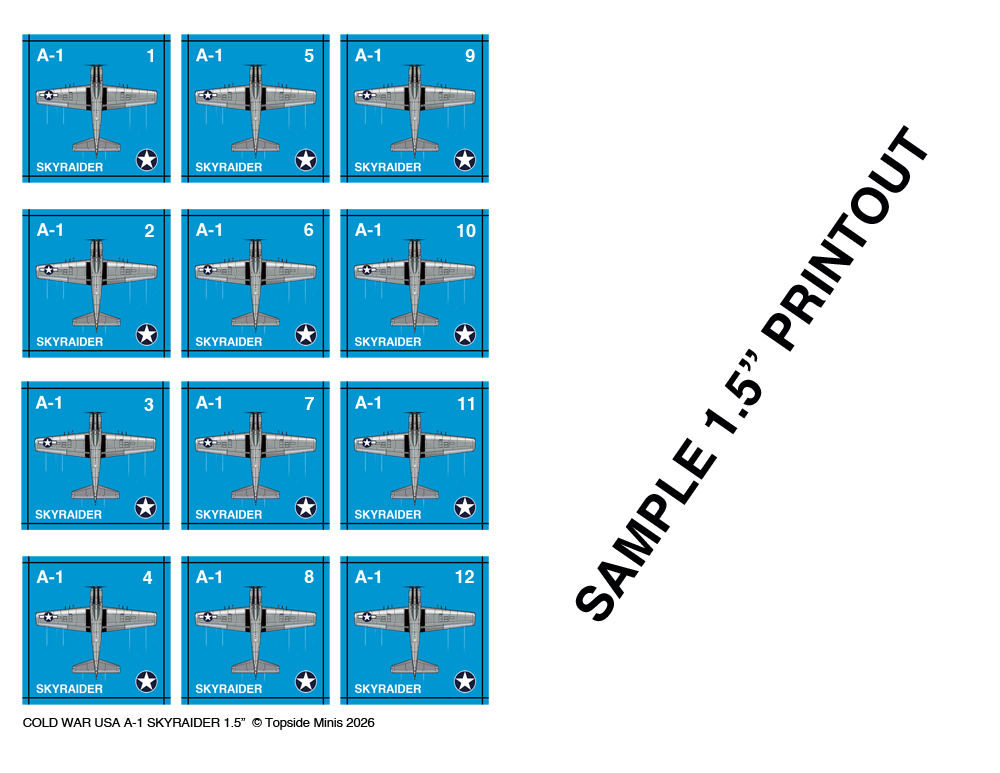
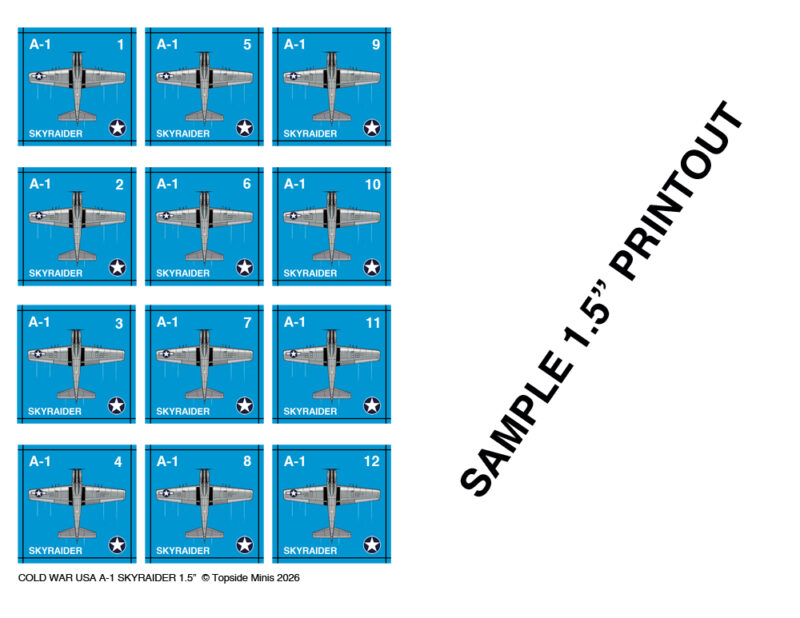
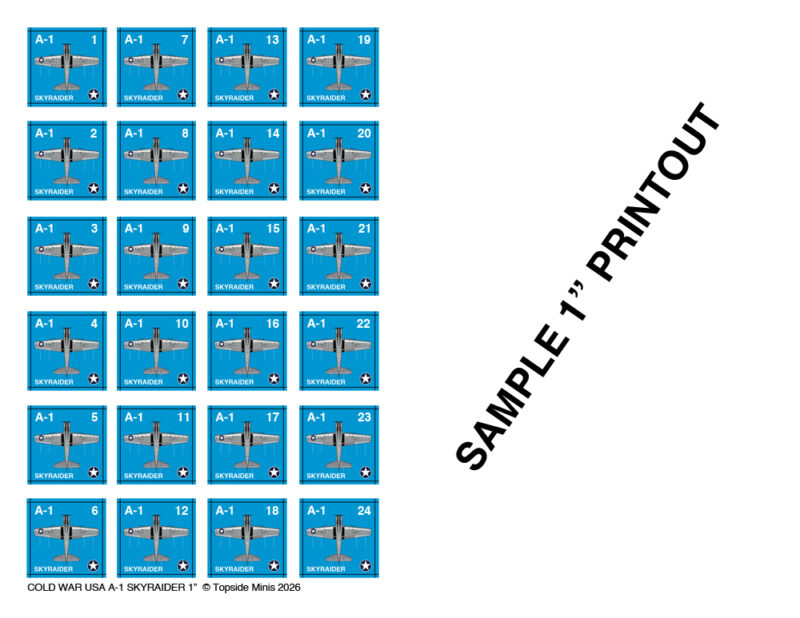
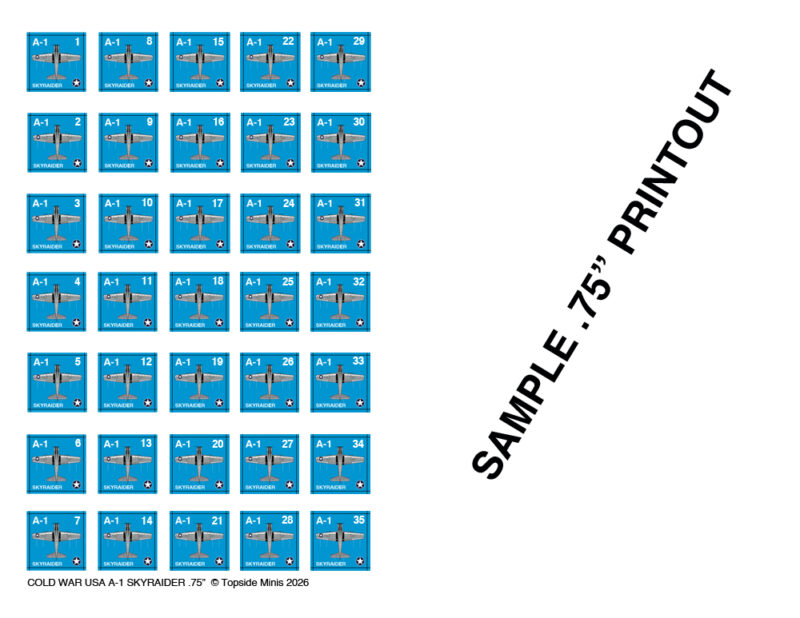
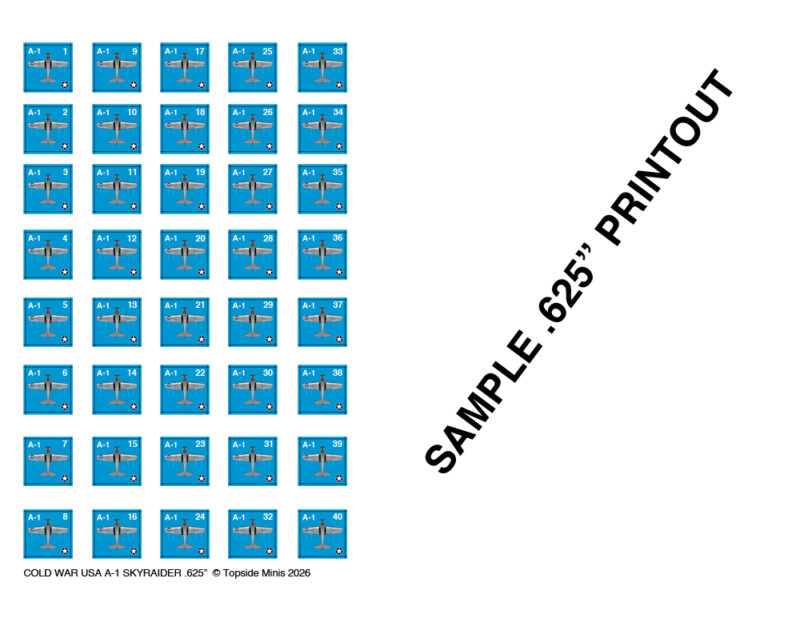
- 4 1.5” square counter images
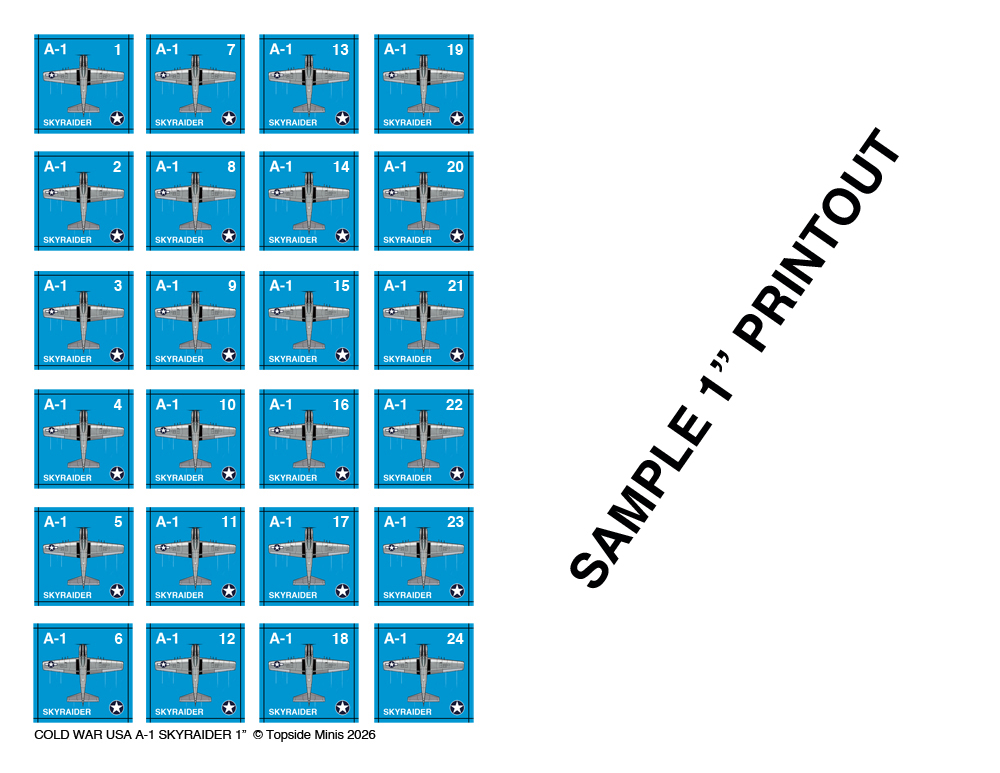
- 8 1” square counter images
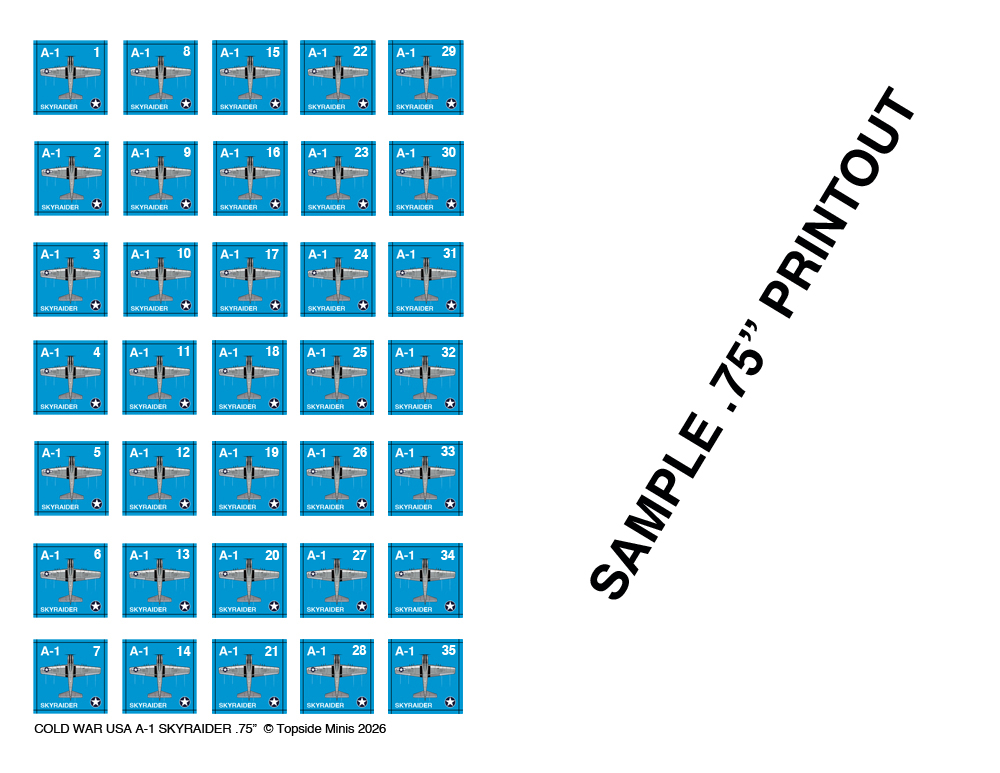
- 11 .75” square counter images
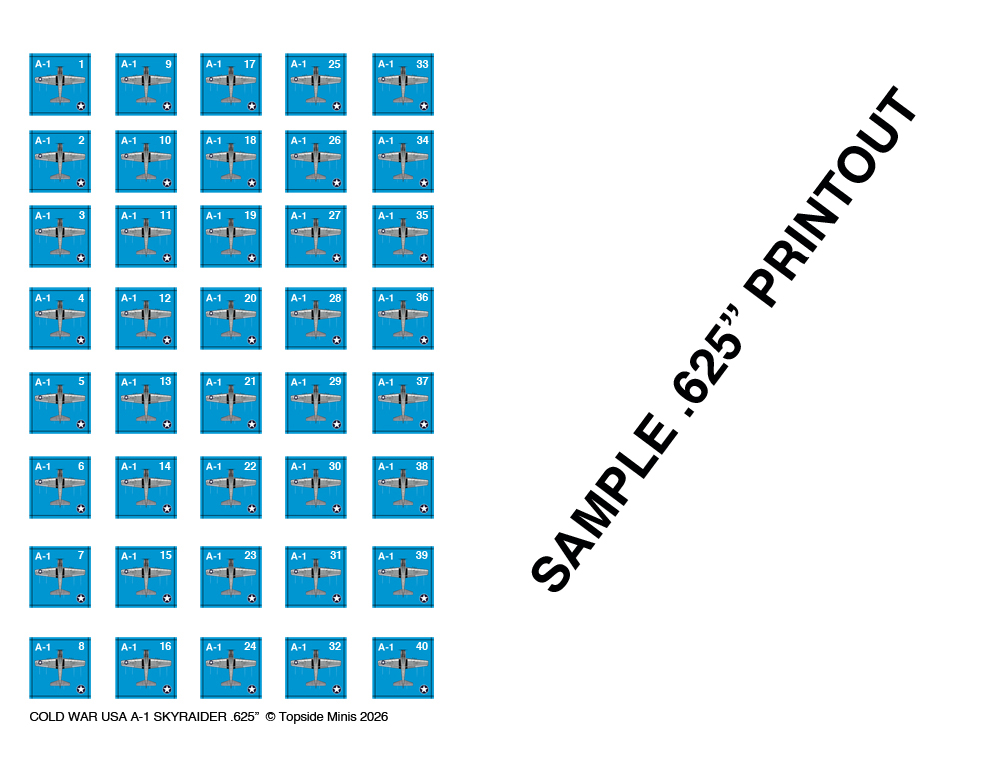
- 13 .625” square counter images
- Numbered Images to assist with game organization and tracking
- Printable PDF format for personal gaming use
Each image size is contained on a ½ sheet.
- Enables users to save paper and print 2 types of aircraft on the same page.
- Print one set of aircraft images then reverse the page in the printer and print a second type of your choice on the same page.
| Weight | N/A |
|---|---|
| Paper Size | A4 210 × 297 mm, Letter 8.5 x 11 |
Related products
Cold War Aircraft
Cold War Aircraft
Cold War Aircraft
Cold War Aircraft
Cold War Aircraft
Cold War Era
Cold War Aircraft
Cold War Aircraft